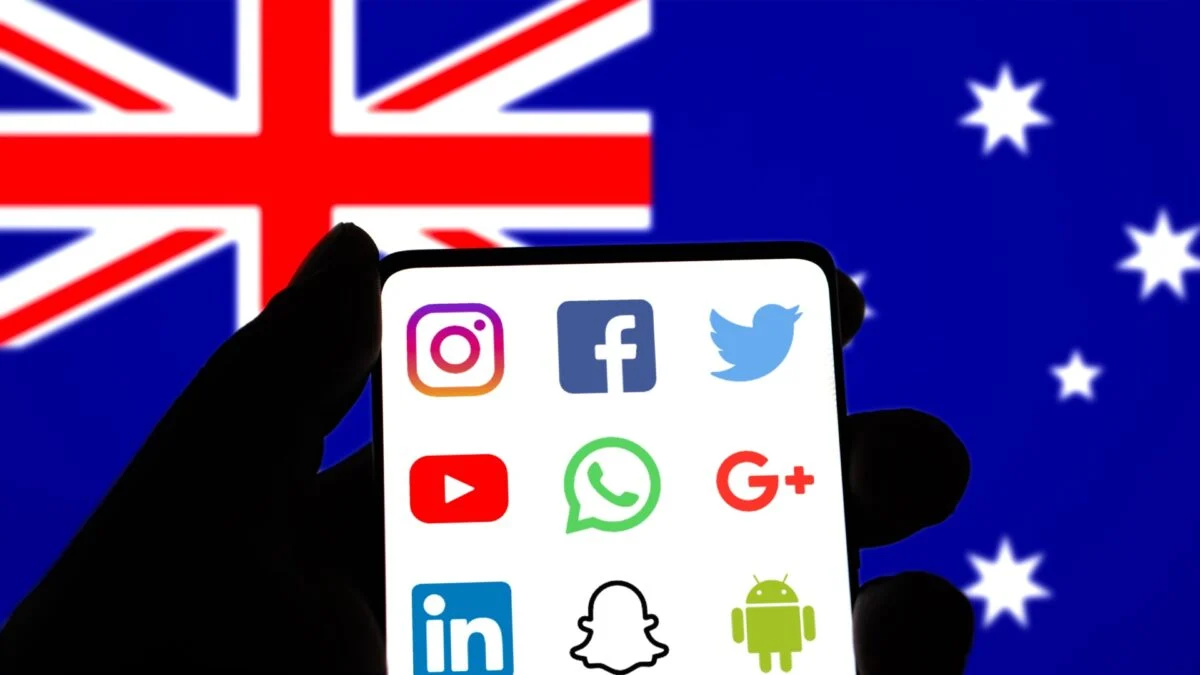
This coming Wednesday marks a significant turning point for social media in Australia. The country is set to implement a pioneering social media ban that may serve as a model for others worldwide.
On December 10, Australia will prohibit social media access for all individuals under the age of 16. Currently, the banned platforms include TikTok, Facebook, Instagram, Threads, X, Snapchat, YouTube, Reddit, Kick, and Twitch. This list may expand in the future.
Platforms like Discord, Roblox, Pinterest, and WhatsApp have been excluded from this ban but will continue to be monitored. Although AI chatbots are currently not banned, there are reports suggesting that regulators are keeping an eye on tools like OpenAI’s Sora due to safety concerns.
Research indicates that children and teens are increasingly immersed in screens during crucial developmental years. A recent study by a British youth charity highlighted that 76% of teenagers spend a significant portion of their free time on screens, and 34% reported feelings of extreme loneliness.
The adverse effects of social media on young people’s mental and physical health are well documented. Research links high social media usage among minors to various issues, including depression, anxiety, body image concerns, and poor sleep quality. Additionally, Australian regulators have raised alarms over cyberbullying and social media-induced peer pressure.
Social psychologist Jonathan Haidt emphasizes that the prevalence of smartphones and social media during sensitive developmental periods, like puberty, has fundamentally changed the brains of those born after 1995. His book, “Anxious Generation,” lays the groundwork for Australia’s social media ban.
How Will the Australian Social Media Ban Work?
The ban will be enforced through age verification measures. Tech companies will utilize identification methods such as facial and voice recognition or assess account activity, including interaction frequency with underage users and usage times that correspond with school hours.
If an account is identified as belonging to a minor, it will be deactivated. Companies found allowing underage accounts to remain active might face fines up to 49.5 million AUD (approximately 33 million USD).
Will the Ban Truly Keep Teens Away from Social Media?
There are questions about the effectiveness of these measures in truly limiting children’s access to social media. The BBC recently reported that many teenagers have already figured out how to bypass age verification systems. Some may even resort to using VPNs to evade restrictions, similar to trends observed in other nations with social media bans.
Resistance is also growing among teens against this law. Notably, two 15-year-old Australians have initiated a constitutional challenge, claiming that the ban infringes on their right to communicate on political and governmental issues.
This initiative constitutes a global experiment. As the first of its kind, it has sparked discussions on similar measures in other countries, which are already in the planning stages, including in Denmark, Malaysia, Norway, and the European Parliament.
However, a potential obstacle to the global implementation of this ban is the stance of major tech companies. Many in the tech community are actively opposing the ban, and some see a political ally in former President Trump, who often defends Silicon Valley against practices he deems unfair.
Australia’s communications minister, Anika Wells, stated, “I am not intimidated by big tech because I understand the moral imperative of what we’re doing. We’re proud to be the first, and we stand ready to assist any other regions looking to implement similar measures.”
Why is social media harmful to young people? Multiple studies demonstrate that excessive social media use can result in negative mental health outcomes, such as anxiety and depression, particularly among minors.
What measures can parents take to protect their children online? Parents can engage in open discussions about online activity, monitor usage, and utilize parental controls to limit access to certain platforms.
Can the ban truly reduce cyberbullying? While the ban may limit access to platforms where bullying occurs, comprehensive education and awareness programs are also crucial for effective prevention.
What implications could this ban have for other countries? Australia’s ban may pave the way for international discussions on social media regulation, prompting similar actions globally.
In conclusion, the upcoming social media ban in Australia is a landmark move that could influence regulations worldwide. As discussions continue, it’s essential to stay informed and engaged. For more insights, explore related content on Moyens I/O.