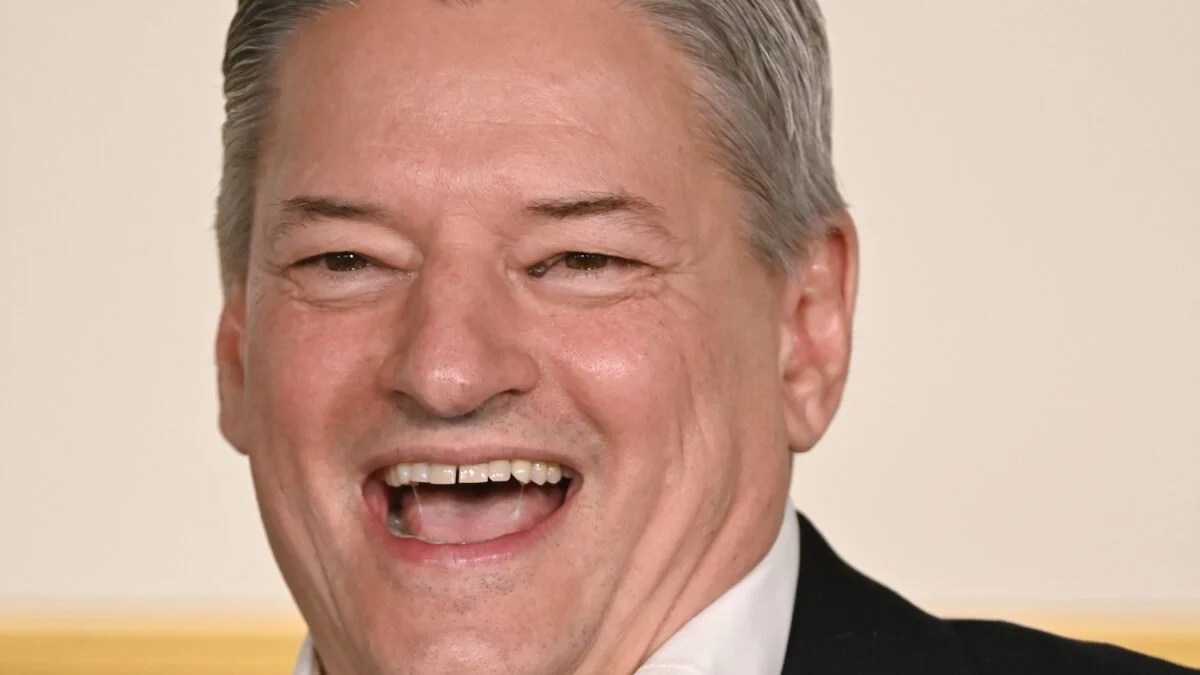
The recent announcement about Netflix’s plan to acquire Warner Bros. Discovery for a staggering $82.7 billion has sent shockwaves through the entertainment industry. This deal highlights an ongoing trend where Big Tech continues to absorb significant cultural assets, often raising eyebrows and concerns. But there’s more to this acquisition than meets the eye. Recent reports suggest that Netflix’s success might significantly hinge on securing the endorsement of influential political figures, including former President Donald Trump.
It’s been speculated that leadership from Netflix, including co-CEO Ted Sarandos, engaged in personal lobbying efforts with Trump, which included a notable visit to the White House after an earlier dinner at Mar-a-Lago. This personal connection could serve as a strategic advantage in their acquisition efforts.
This deal would provide Netflix access to a vault of cultural treasures, including beloved classics from Warner Bros., like HBO Max. By acquiring famed films such as Citizen Kane, Casablanca, Blade Runner, and Gone with the Wind, the streaming platform is not just expanding its offerings but also locking down cultural artifacts regarded as some of the best movies ever made. Additionally, iconic series like The Sopranos, The Wire, and Curb Your Enthusiasm would now be part of Netflix’s impressive library.
The Implications of a Streaming Monopoly
By consolidating such a rich array of legacy content, Netflix may reach a point where it appears too dominant within the streaming market. This could raise red flags for regulators, as Trump has historically been vocal against monopolistic practices, taking a harder stance than previous Republican leaders.
Behind Closed Doors: Netflix and Trump
Bloomberg’s reporting suggests that during a meeting in mid-November, Trump expressed his belief that Warner Bros. should go to the highest bidder, perfectly aligning with Netflix’s ambitions. Sarandos indicated that this acquisition could potentially elevate Netflix to rival platforms like YouTube regarding audience reach.
The Journey to Influence
Interestingly, this effort may have started a year prior at a Mar-a-Lago dinner, where tech leaders, including Mark Zuckerberg, sought favor from Trump. Sarandos, married to Nicole Avant, who served as Obama’s ambassador to the Bahamas, has cultivated relationships with power players across party lines, emphasizing his need to engage more with the current leadership.
What Does This Mean for the Future of Streaming?
As Netflix continues to expand, one might wonder: What will happen to competition in the streaming industry? The overwhelming acquisition of diverse content could stifle smaller platforms, forcing changes in how we view and interact with media. The landscape of entertainment could become far more consolidated, with fewer voices shaping cultural narratives.
Why is the Netflix and Warner Bros. deal significant? This acquisition signifies a shift in not only how streaming platforms operate but also in how they navigate political landscapes to achieve business objectives.
How does Netflix’s acquisition strategy differ from other platforms? Unlike other streaming services that rely heavily on partnerships or original content, Netflix is focusing on expanding its library by purchasing established franchises and classics.
What are the potential regulatory challenges facing the Netflix acquisition? The deal could attract scrutiny from antitrust regulators, especially given Trump’s historical stance on monopolies and market dominance.
As we watch these developments unfold, it’s clear that the future of streaming is tied not only to cultural assets but also to political maneuvering. Stay tuned as this story continues to evolve and explore more insights at Moyens I/O.