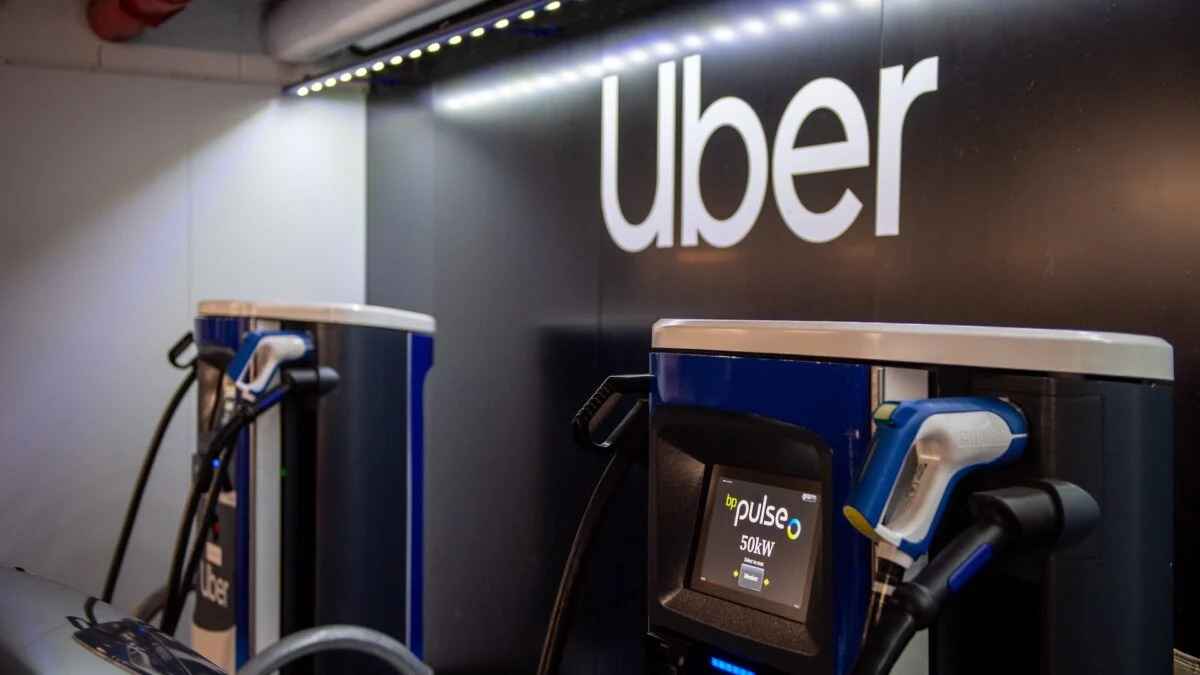
As the electric vehicle (EV) landscape shifts, it’s crucial to understand the impacts on ride-hailing services like Uber. With slower-than-anticipated EV adoption rates, incentive reductions, and ongoing charging infrastructure challenges, many drivers are finding themselves at a crossroads regarding their vehicle choices.
According to recent reports, Uber is scaling back its incentives for drivers who switch to electric vehicles, which is disheartening for those who previously considered making the change from traditional gas-powered cars. The company had aimed to foster a greener fleet, especially with its ambitious goals for electric transitions in cities like London, New York, and Los Angeles.
Uber’s EV Initiatives and Incentives
Earlier this year, Uber launched its Go Electric program, offering up to $4,000 in incentives for drivers to shift to electric vehicles. This initiative was set to last until April 30, 2026, across various major cities. However, with the changes taking place, many drivers are hesitating to make the full transition.
Challenges into the EV Adoption Timeline
The urgency for EV adoption is palpable, especially as reports indicate that Uber is falling short of its EV goals—a move that contradicts its efforts to reduce rising emissions as ride requests have surged over the last five years. Furthermore, CEO Dara Khosrowshahi’s backing of the recent “Big Beautiful Bill” raises eyebrows, given its implications for federal EV incentives, including the significant $7,500 tax credit.
Regulatory Shifts and Their Implications
Compounding the issue, the Department of Transportation has proposed revised fuel economy standards that prioritize gasoline-only and hybrid models over battery-electric vehicles. This regulatory shift follows previous actions by the Trump Administration, which relaxed penalties for not meeting Corporate Average Fuel Economy (CAFE) standards, creating a less favorable environment for EV adoption.
The Landscape for Ride-Hailing Drivers
As cities push to maintain greener transport options, ride-hailing drivers are navigating a complex landscape. Some municipalities are enforcing regulations that require electric vehicles in certain areas. While Uber aims to provide flexibility to its drivers, this reluctance to mandate EVs could put them at a competitive disadvantage against autonomous ride-hailing services like Waymo and Zoox, which are rapidly expanding with electric fleets in various locations.
What obstacles are ride-hailing drivers facing when transitioning to EVs? Many drivers worry about the immediate costs associated with purchasing an electric vehicle. These concerns are exacerbated by the reduction in incentives, making it challenging to justify the transition financially.
Are there any specific regions where electric vehicles are mandatory for ride-hailing services? Yes, several cities are implementing policies that push ride-hailing drivers towards electric vehicles to reduce urban pollution levels, affecting where and how drivers can operate.
What are the long-term benefits of switching to an electric vehicle for ride-hailing drivers? Transitioning to electric vehicles not only supports environmental sustainability but can also lead to lower operating costs over time—fuel savings, maintenance costs, and potential incentives can all add up.
As the landscape continues to evolve, it remains essential for drivers and passengers alike to consider their roles in the future of transportation.
For anyone exploring the complex intersection of ride-hailing and electric vehicle adoption, the insights provided here are crucial. Remember that EVs aren’t just a trend; they represent a fundamental shift in how we think about transportation. For more in-depth perspectives, continue exploring related content on Moyens I/O.