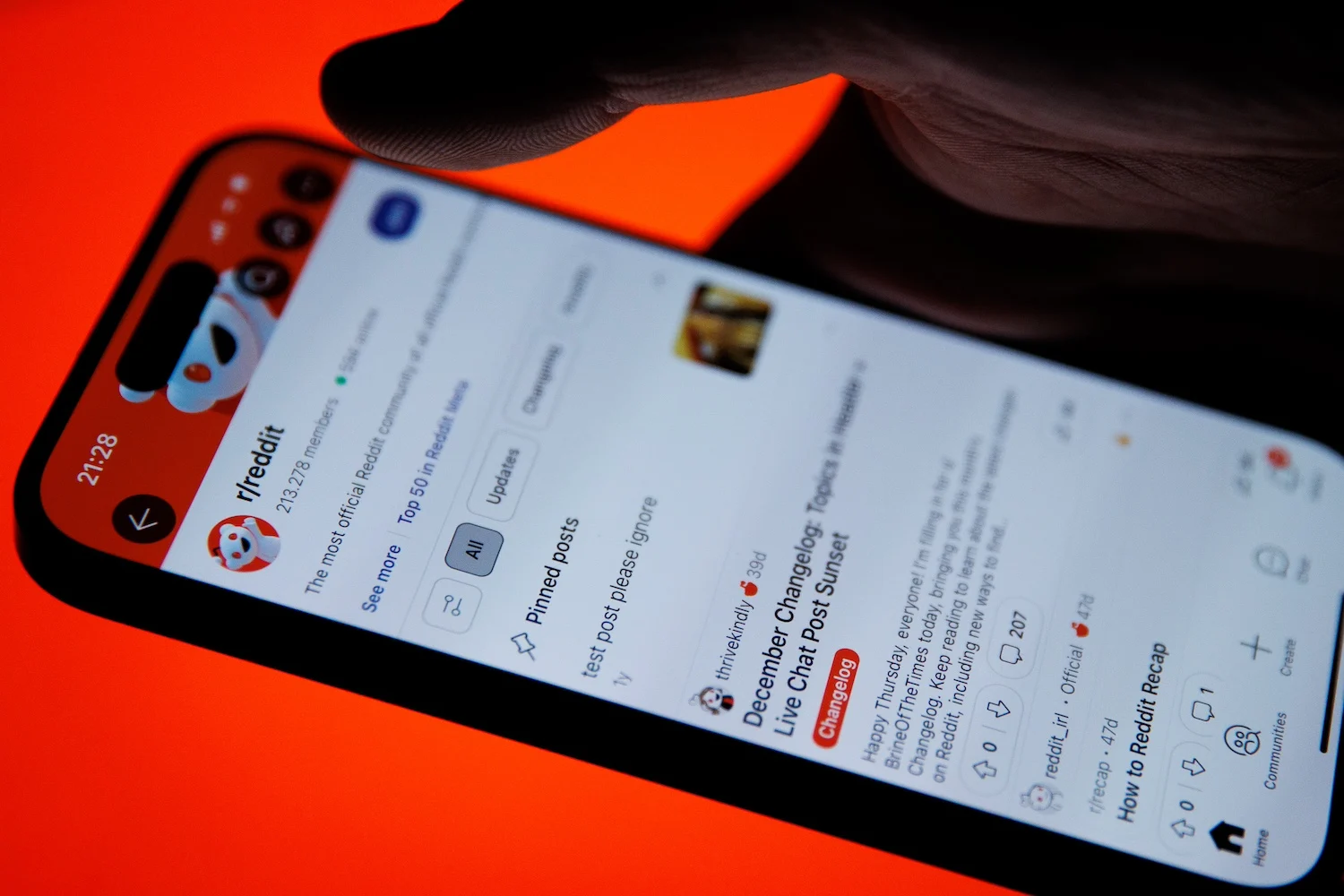
Australia is at the center of a heated debate after Reddit challenged a recent law banning teenagers from social media accounts. With the rise of cybersecurity and mental health concerns, this legislation aims to protect young individuals from negative online experiences, but at what cost?
Reddit filed a lawsuit in the country’s highest court on Friday, citing the infringement on teens’ “freedom of political communication.” Adding to the legal fire, two teenage Australians have taken a stand themselves, initiating a separate lawsuit on similar grounds.
This legal action follows closely on the heels of the policy’s implementation on Wednesday, which seeks to shield minors from online hazards such as cyberbullying and content related to eating disorders and self-harm. The law explicitly prohibits anyone under 16 from maintaining accounts on major social media platforms, including TikTok, Facebook, Instagram, Threads, X, Snapchat, YouTube, Reddit, Kick, and Twitch.
Age-verification technology is now mandated for social media companies to confirm that users are 16 years or older. Failure to comply with these regulations could result in hefty fines, reaching up to 50 million Australian dollars (approximately €30 million).
Interestingly, platforms like Roblox and AI chatbots, which have faced scrutiny over safety concerns, are not included in this initial ban. However, experts suggest that the list of platforms could expand in future iterations of the law.
The outcome of these lawsuits could significantly influence similar legislative movements in other countries. Denmark and Malaysia are already considering implementing social media bans for teenagers and children next year.
In contrast, governments such as those in the U.K. and several U.S. states have introduced less stringent age-verification laws, aiming to protect children from harmful content online. Yet, many users continue to find ways around these systems, leading to concerns about their effectiveness.
Reddit argues that this law limits the political engagement potential of teens, especially given that they cannot vote yet still desire to voice their opinions. The company points out that much of its content is accessible without an account, claiming the law’s risk-reduction efforts are minimal.
In response to the lawsuit, Prime Minister Anthony Albanese’s government stated, “We will stand firm to protect young Australians from experiencing harm on social media. The matter is before the courts, so it is not appropriate to comment further.”
What age is considered too young for a social media account? Different countries have different regulations, but considering Australia’s stance, under 16 is deemed too young for major platforms.
Are there any other countries implementing similar social media laws? Yes, countries like Denmark and Malaysia are looking at introducing bans for children and teenagers in the near future.
How do age-verification laws affect social media usage among teens? These laws aim to limit access to harmful content but may limit teenagers’ freedom to participate in social discussions and access valuable online resources.
What consequences do platforms face for violating these regulations? Social media companies could face fines up to 50 million Australian dollars (around €30 million) if they fail to enforce age verification effectively.
Ultimately, the landscape of social media regulation is evolving rapidly. As conversations around safeguarding youth online continue, keeping an eye on these developments is crucial. For more insights into the digital space and its challenges, explore related content at Moyens I/O.