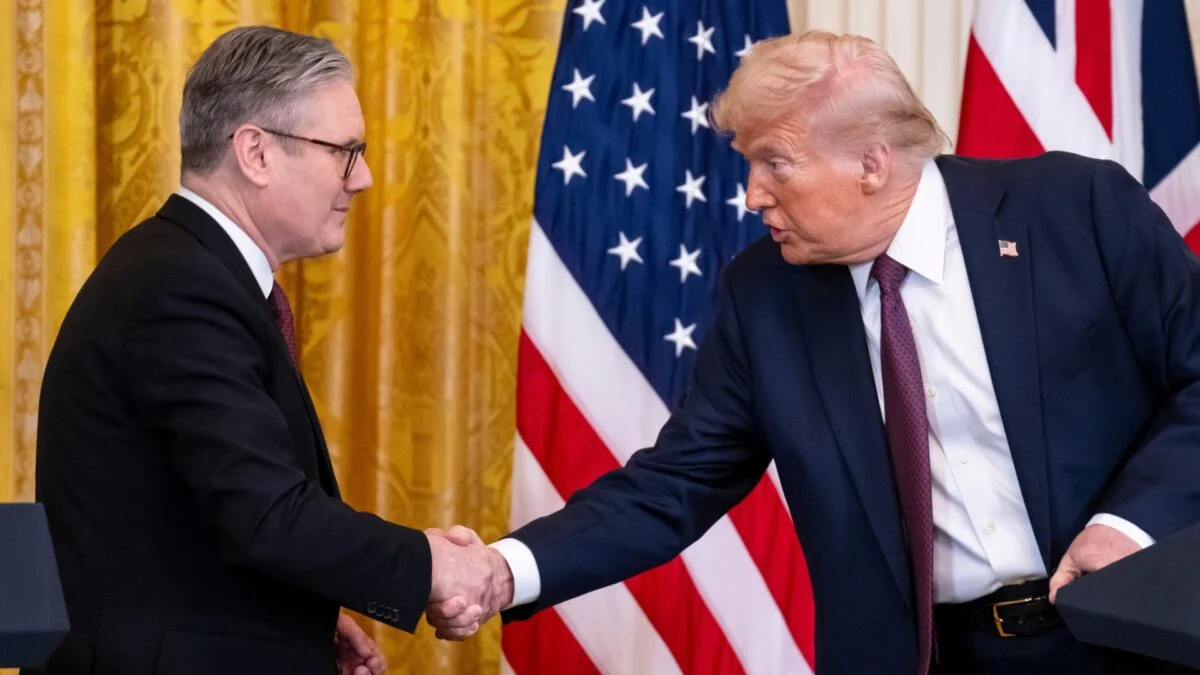
Trade policies are back in the spotlight, and this time technology is at the center of the storm. The Trump administration is reportedly hitting pause on the highly anticipated “Tech Prosperity Deal” with the UK, a massive agreement totaling around $41 billion aimed at boosting advancements in artificial intelligence and quantum computing.
Recent reports indicate that this deal, which promised substantial investments from major tech players like Microsoft, Google, and Nvidia, is now stalled.
Unnamed sources have told the Financial Times that the US suspended the deal last week, driven primarily by frustrations surrounding the UK’s stringent food safety standards, digital services tax, and online safety regulations. A New York Times report highlights that these factors have been a thorn in the side of Washington.
Why Are Food Safety Standards a Sticking Point?
The US and UK trade talks didn’t start on shaky ground; actually, British officials laid out their cards early on. They made it clear that they weren’t ready to compromise on food standards or regulations related to online safety. This is where things get tricky.
The UK boasts stricter food safety regulations than the US, which many American officials view as a barrier to trade. These regulations include prohibitions against practices like washing raw chicken in chlorinated water or using growth hormones in cattle—common practices in the States. In fact, after a trade agreement in May aimed at increasing American beef exports, the UK still held firm on these hormone-related safety requirements.
What’s the Deal with Online Safety Regulations?
Another swirling issue is the Online Safety Act, which aims to protect users, particularly children, from harmful content online. This law puts the onus on platforms, including search engines and social media, to ensure a safe environment. Failure to comply can lead to hefty fines—up to 10% of global revenue—and even potential criminal charges for executives. Some critics, like Republican Rep. Jim Jordan, argue that this could stifle free speech and innovation.
Is the Digital Services Tax Adding Fuel to the Fire?
Adding another layer to the negotiations is the UK’s Digital Services Tax, which imposes a 2% levy on revenues generated by major online platforms operating in the country. This tax is viewed unfavorably by American companies and could be one of the reasons behind the deal’s suspension.
How are other countries responding to stringent tech regulations?
Similar digital regulations are causing friction for other American trade partners as well. The European Union has implemented its own series of tech regulations aimed at promoting online safety, increasing competition in the tech industry, and protecting consumers. These regulations have led to significant fines for US tech giants, many of whom see them as opportunistic taxation tactics.
What might come next for the US-UK tech agreements?
In the face of these challenges, the U.S. trade representative hinted at potential regulatory actions toward European firms, mentioning companies like Spotify and Siemens as targets. The trade office stated that U.S. law allows for fees or restrictions on foreign services when such measures are deemed necessary.
The story unfolds further as both the UK and U.S. find themselves at a crossroads—how will they resolve such deeply rooted policy differences while still fostering innovation in the tech domain?
Will this pause impact tech advancements?
Given the substantial investments involved in the Tech Prosperity Deal, the halt raises questions about the future of AI and quantum computing developments in both nations. With major companies like Google and Microsoft poised to contribute significantly, the stakes are undeniably high. A collaborative effort often sparks innovation, but with this deal on hold, can we expect a slowdown in progress?
As these negotiations continue, it’s hard not to wonder how this will reshape the tech landscape across the Atlantic. Will the Trump administration’s strategy yield more favorable conditions, or will it create further divisions?
If you’re interested in staying updated on this evolving situation, feel free to reach out or share your thoughts in the comments. How do you think stricter regulations will affect the tech industry overall?