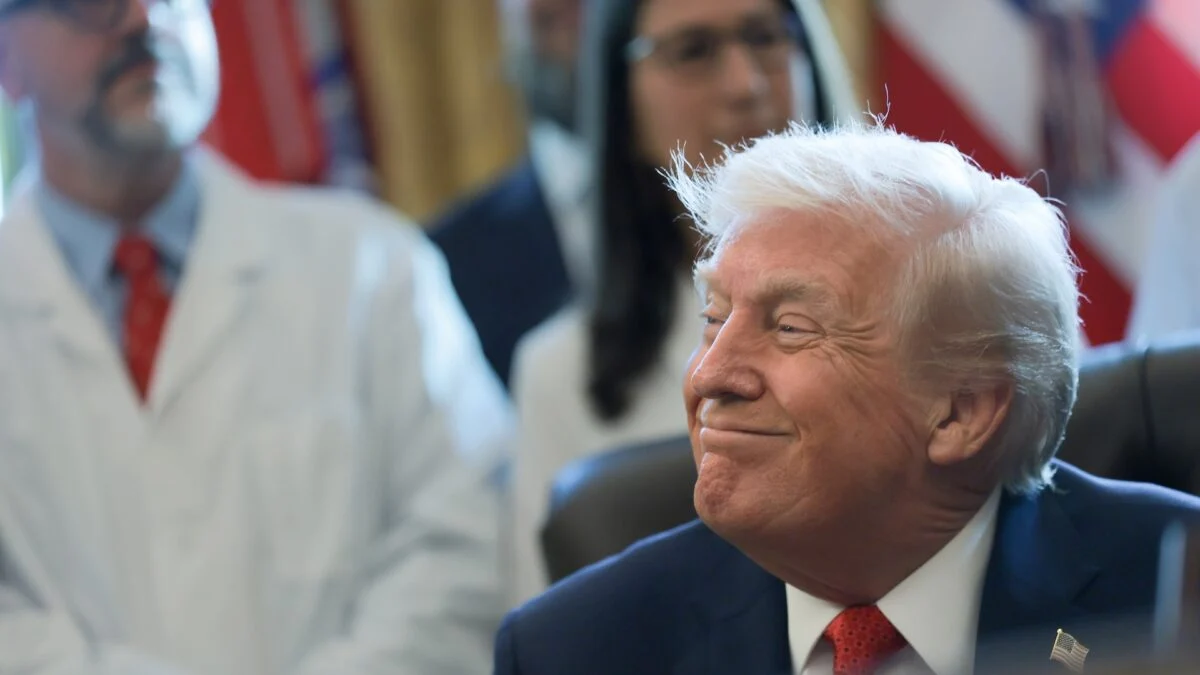
On Thursday, in a significant move towards cannabis reform, President Donald Trump signed an executive order in the Oval Office that reclassifies cannabis from a Schedule I drug to a Schedule III drug. While this change doesn’t outright legalize marijuana at the federal level, it opens the door for expanded funding for medical research into its benefits.
Drugs classified as Schedule I have no accepted medical use and a high risk for abuse; these include heroin, LSD, and ecstasy. In contrast, Schedule III drugs, which include Tylenol with codeine and anabolic steroids, are seen as having a moderate to low potential for dependence. This reclassification, therefore, marks a progressive shift in how cannabis is viewed under federal law.
Rescheduling cannabis also means less tax strain for businesses involved in cultivating and selling marijuana. Currently, federal tax deductions are off-limits for any entity that deals with Schedule I substances. According to CBS News, 24 states have legalized cannabis for recreational use, and 39 states allow it for medical purposes.
During the signing ceremony, Trump highlighted that 82% of Americans support the reclassification. He emphasized, “This order will make it easier to conduct marijuana-related medical research, enabling us to understand its benefits, potential dangers, and future treatments.” Surrounding him were key figures like Secretary of Health and Human Services Robert F. Kennedy Jr. and Mehmet Oz, head of Medicaid and Medicare, all dressed in white lab coats, lending their support.
With Trump’s approval ratings dipping, this decision feels timely. His ratings recently fell to 38%, prompting him to highlight what he views as successes in his administration during a televised address. The perception of public support likely weighed heavily on this cannabis order.
In 2022, President Joe Biden considered a similar reclassification but faced significant hurdles with the U.S. Department of Justice and the Drug Enforcement Administration (DEA). Little did he realize, an executive order could simplify the process significantly. Though Trump’s order is a step forward, the DEA still needs to finalize the details, which haven’t been publicly disclosed yet.
Cannabis was first classified as a Schedule I drug in 1970 under President Richard Nixon, who initiated the War on Drugs. This campaign was criticized for targeting marginalized communities. Interestingly, Nixon privately acknowledged in previously undisclosed recordings that he considered marijuana “not particularly dangerous.” Insights from Nixon’s domestic policy chief, John Ehrlichman, revealed the strategic motivations behind the drug policies of that era.
In a revealing 1990s interview, Ehrlichman stated, “We knew we couldn’t make it illegal to be either against the war or black, but by getting the public to associate hippies with marijuana and blacks with heroin, we could disrupt those communities.” This candid admission sheds light on the racial and political motivations that drove cannabis prohibition.
What does the reclassification mean for cannabis businesses?
The reclassification to Schedule III allows cannabis businesses to access certain federal tax deductions, easing their financial burden and potentially boosting the industry.
Is cannabis legalization expected to happen soon?
While this reclassification is a significant step, it does not legalize cannabis federally. Legalization remains a separate discussion that will involve more legislative processes.
How will this executive order impact medical research on cannabis?
The order is expected to facilitate more funding and interest in cannabis research, allowing for a better understanding of its medical applications and potential risks.
What concerns do critics have about this reclassification?
Critics might argue that shifting cannabis to Schedule III doesn’t go far enough and could perpetuate the stigma around its use, keeping it under federal control longer than necessary.
What historical context should we consider?
Understanding the historical context of cannabis classification unveils the complex relationship between drug policy, race, and politics. This background is vital to navigating future reforms.
This executive order could represent just the beginning of a larger shift towards cannabis reform in the United States. If you’re interested in how this might evolve, why not share your thoughts below? How do you think cannabis legislation will shape the future?