China Presses Pause on Self-Driving Car Expansion
Imagine the roads bustling with self-driving cars, effortlessly navigating through traffic while you enjoy a music playlist or catch up on your favorite podcast. This long-anticipated future seems to be stalling in China, following a tragic incident linked to assisted-driving technology. With a surge of concerns about safety and oversight, the country’s regulators are adopting a more cautious approach.
Recently, The New York Times reported that China’s Ministry of Industry and Information Technology (MIIT) has given the nod to only two out of nine applications from automakers eager to launch more advanced self-driving vehicles. These approvals primarily pave the way for additional testing rather than the full-scale rollout many were hoping for.
Why Are Approvals So Limited?
The MIIT has set strict parameters for the two approved companies, Beijing Automotive Group and Changan Automobile. They may operate robotaxis only on select stretches of highway in Beijing and Chongqing. Outside these zones, a human driver must take the wheel.
- No lane changes while the car is under computer control.
- Human drivers required outside designated areas.
This restricted approval reveals a significant delay in China’s ambitions for widespread sales and production of fully autonomous vehicles. Manufacturers had expected to see the green light for Level 3 systems this year. These systems call for a human in the driver’s seat, ready to take over, but allow for hands-free operation. In contrast, Level 2 systems necessitate drivers to keep their hands on the wheel.
How Will This Impact Upcoming Vehicle Models?
Many manufacturers were so optimistic about regulatory approval that they began mass-producing vehicles equipped with technology meant to support Level 3 systems. Now, these models are likely to hit the market but with downgraded software classified as Level 2, limiting their functionalities.
What Triggered the Shift in Regulations?
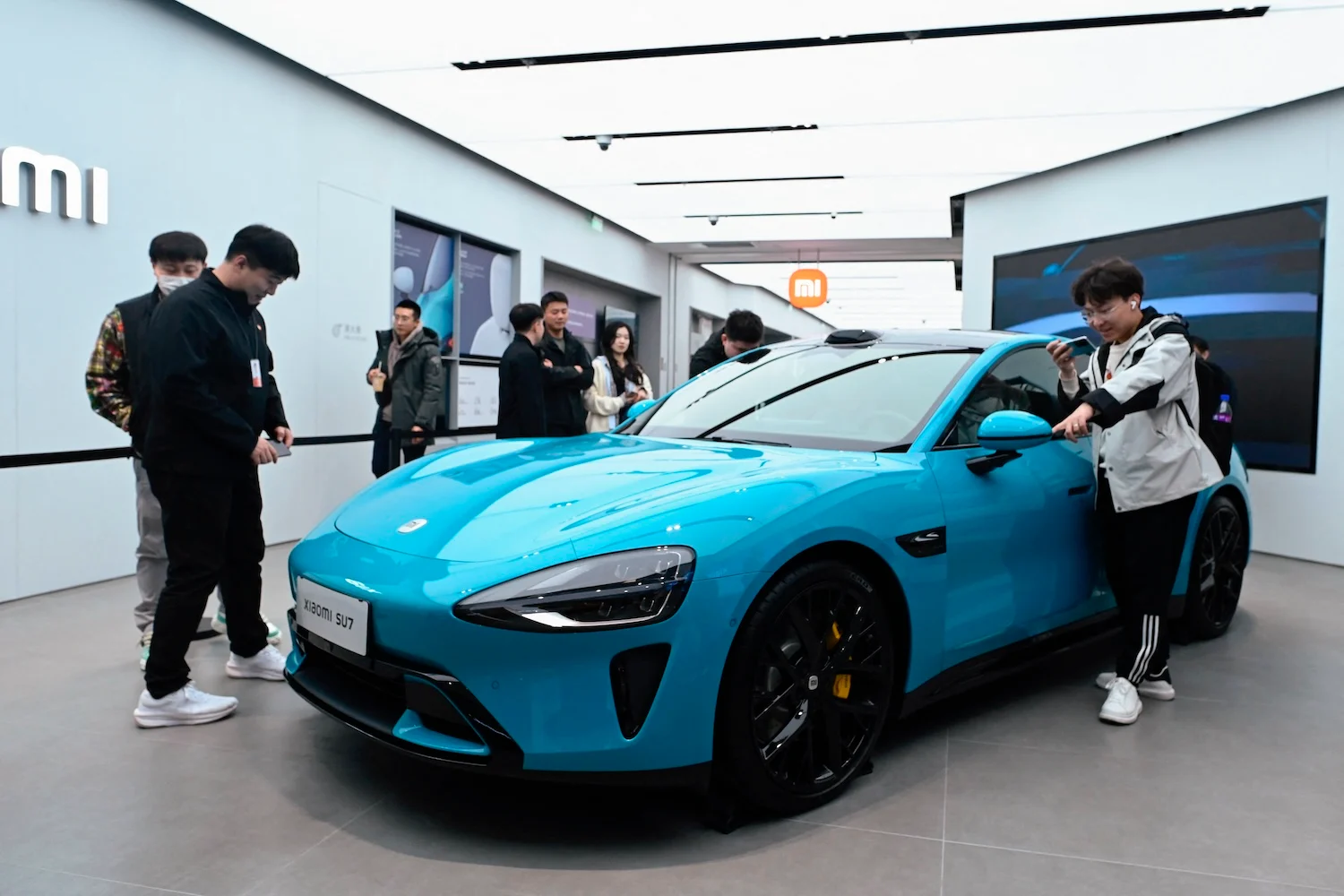
The pause on self-driving initiatives can be traced back to a fatal accident in March, where a Xiaomi SU7 equipped with its assisted-driving technology was involved in a crash that claimed three lives. At the time, the vehicle was traveling at 72 miles per hour and had engaged its system as it approached a construction zone. Just a second after the driver regained control following a warning, the car collided with a concrete barrier. This incident led to increased scrutiny and stricter regulations against terms like “smart driving” in marketing.
What Does the Public Think About Self-Driving Cars?
Growing public concern over self-driving technology has also surfaced, particularly after reports emerged suggesting that Chinese-developed systems may lag behind competitors like Tesla in terms of safety. A study examining 36 vehicles with Level 2 systems revealed that less than half were equipped to avoid collisions near construction zones at night. In stark contrast, Tesla vehicles reportedly handled similar scenarios with greater skill.
With China hitting the brakes on its self-driving dreams, the future of autonomous vehicles there remains uncertain. As technology advances at a breakneck speed, will the regulatory environment catch up before consumers lose interest? Share your thoughts in the comments below!