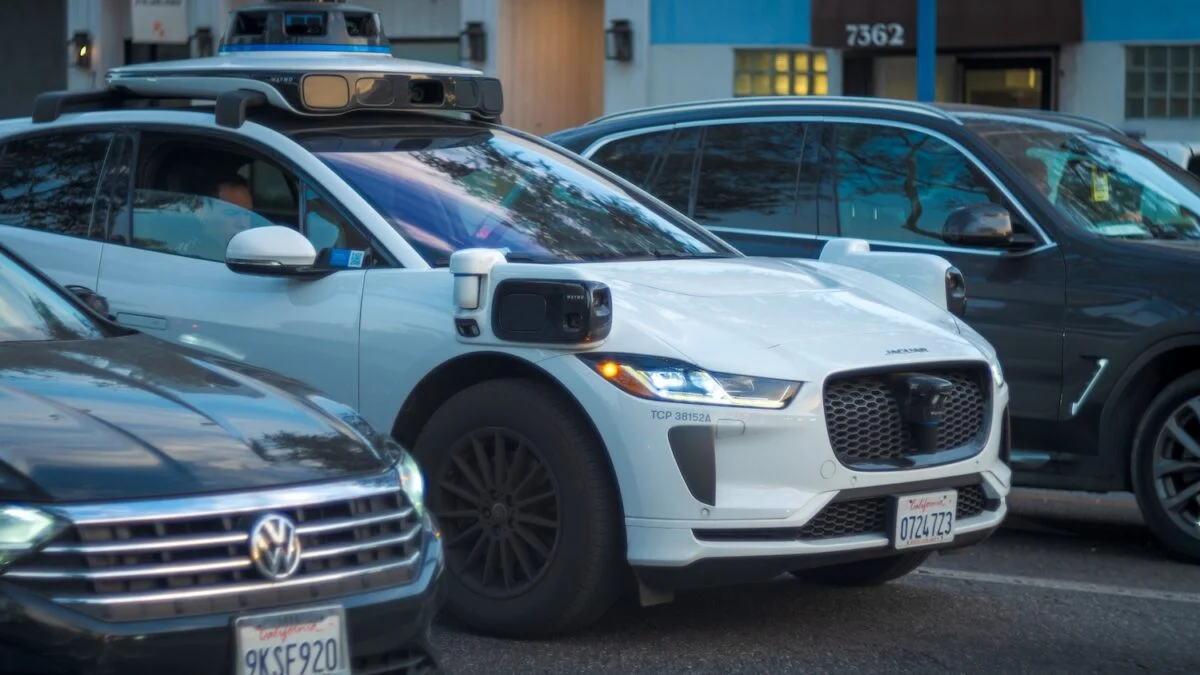
Last Saturday, San Francisco experienced a power outage that led to an unexpected crisis for Waymo’s robotaxi fleet. Many self-driving vehicles found themselves stopped at dark traffic signals, creating chaos in the streets. A recent postmortem from Waymo tries to clarify what happened during this meltdown.
As power flickered out across the city, Waymo was forced to call back its robotaxis—an undeniably messy situation. Social media posts captured the scene, giving off the impression that Waymo vehicles were frozen mid-commute as if their robot drivers had simply vanished. Was it all as chaotic as it seemed? Let’s unpack the facts.
What Went Wrong with Waymo’s Robotaxis?
Waymo explained that its autonomous software, dubbed “the Waymo Driver,” is designed to treat non-functioning stoplights as four-way stops. However, during the day of the power outage, the driver began to request human confirmation at an unusually high volume. The result? A traffic jam of its own making.
Despite successfully navigating over 7,000 dark signals that day, the fallout from a concentrated spike in confirmation requests led to significant congestion on already overwhelmed streets. This wasn’t just a small hiccup; it turned into a major traffic headache.
What Is Fleet Response and How Does It Work?
Waymo prefers to distance itself from the term “remote driver.” Instead, they utilize something called “fleet response.” This system allows the Waymo Driver to seek human feedback when navigating complex situations, like confirming if an intersection is passable.
This human engagement might involve directing the Waymo Driver to a safer path or indicating lane closures, but this process contributed to the logjam under the circumstances. So while Waymo attempted to manage the situation, the sheer volume of feedback requests slowed things down even further.
How Did Waymo Respond to the Crisis?
In light of the jammed streets, Waymo took action by directing its fleet to park safely and return to their depots in waves. This was a sensible move to avoid exacerbating the situation for emergency vehicles. But the public perception was mixed. Photos showing Waymos in both intersections and safely parked led some to view the city as overrun with “dead” robotaxis.
Did The Lack of Remote Drivers Make the Situation Worse?
While people wondered why Waymo didn’t send its vehicles back to the depot right away, the company’s decision to keep them parked was a strategic one. Sending them home en masse could have created additional chaos—think stampeding wildebeests. However, the strategy resulted in many vehicles waiting on the roadside, which didn’t please onlookers.
Future Directions for Waymo
Interestingly, Waymo’s postmortem didn’t mention plans for introducing remote drivers. Instead, future priorities seem centered on handling emergencies better and engaging with first responders. While the company remains confident in their mission to innovate urban transport, one can’t help but wonder how these robotic intruders will adapt to our chaotic roadways.
What did Waymo learn from the San Francisco blackout?
Waymo learned that even reputable technology can struggle in the face of power outages and unexpected situations. Their analysis will help refine future protocols for similar scenarios.
How will Waymo improve their technology going forward?
The company aims to enhance their emergency preparedness and adaptability during outages, aiming to mitigate chaos before it occurs.
Are remote drivers a possibility for Waymo in the future?
Currently, Waymo has no plans to implement remote drivers. They seem focused on refining their automated systems rather than relying on human operators.
What was the public’s reaction to the incident?
The public’s reaction was mixed, with widespread commentary on social media highlighting both the chaos of halted vehicles and the strategic positioning of parked taxis. Some saw it as a failure, while others recognized the challenges of pioneering technology.
Will Waymo continue to operate in San Francisco?
Yes, Waymo plans to continue its service in San Francisco, expressing confidence in their ability to overcome the hurdles and maintain a presence in the market.
Waymo’s situation during the power outage raises many questions about the robustness of autonomous technology. While challenges are clear, the commitment to innovation remains strong. How do you feel about the future of robotaxis in your city? Share your thoughts in the comments below!