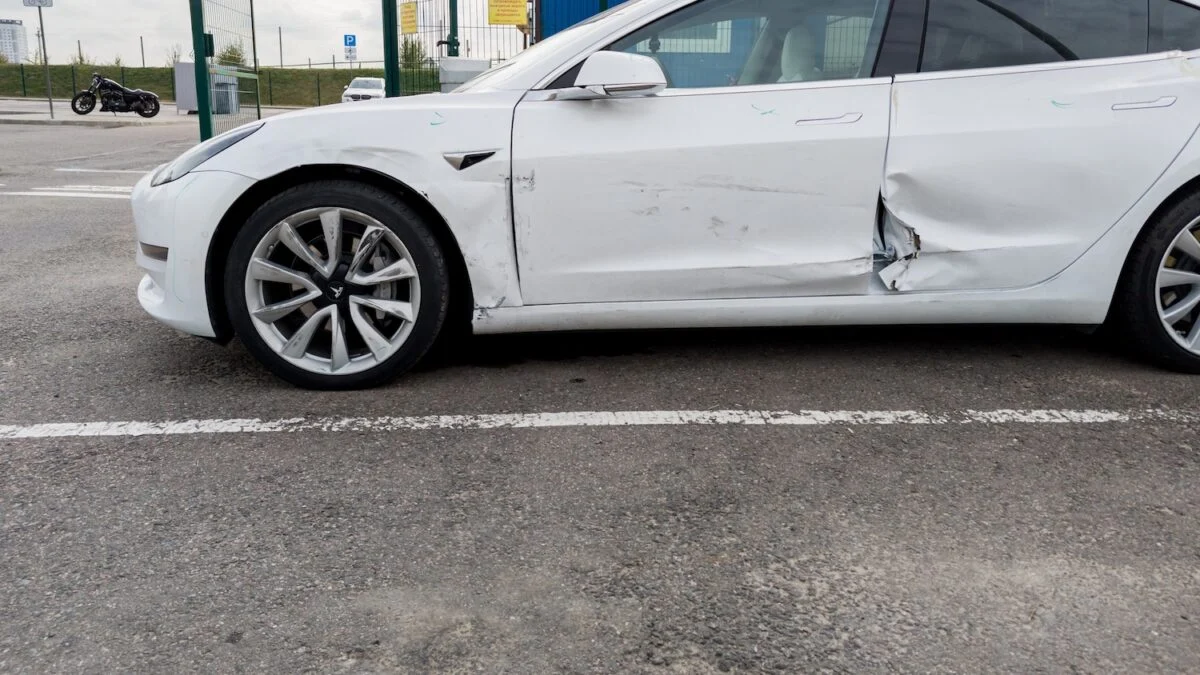
Tesla’s door design issues are causing quite a stir, and the drama just escalated. This week, new revelations about the vehicle door handles emerged, along with the announcement of a federal investigation sparked by a dramatic complaint. If you’re a Tesla owner—or just a car enthusiast—this news certainly raises eyebrows.
In an extensive investigation by Bloomberg, timed alongside scrutiny from the National Highway Traffic Safety Administration (NHTSA), it was revealed that Elon Musk was aware of a significant flaw concerning the electronic door releases on Tesla vehicles. Despite warnings from his engineers, he pushed for the continued use of this design.
Recently, the NHTSA opened an investigation specifically focusing on the Model 3. Engineers had raised concerns during its development about the interior door handles that rely on a 12-volt battery to operate. While a manual release was included, many users remain unaware of it, especially in emergency situations.
What are the real dangers of Tesla’s door design?
The issue at hand is grim: these electronic systems have allegedly contributed to 15 fatalities and numerous incidents involving popular models like the Model 3 and Model Y. It turns out that if the 12-volt battery fails during a crash, the electronic door handles may become inoperable, trapping occupants inside. This situation is complicated by the fact that the manual release, designed for such emergencies, often goes unnoticed.
What triggered the federal investigation?
Just this week, the NHTSA launched its inquiry after a Georgia Model 3 owner detailed a terrifying experience in a November letter. He was forced to crawl into the backseat and kick out a window during a head-on collision, resulting in a fire and complete loss of electrical power. This man, Kevin Clouse, sustained severe injuries that required multiple surgeries, including a full hip replacement, bringing serious legal questions to light.
How do electric door handles compare to traditional ones?
While Tesla wasn’t the first company to use electric door handles, its Model S popularized them, prompting competitors like Audi to follow suit. Unfortunately, these mechanisms have led to issues for several manufacturers. Back in 2015, a man tragically lost his life in a Chevy Corvette when the electronic door release failed, underscoring the potential dangers of relying solely on technology.
What steps is Tesla taking in response?
The ongoing investigation by the NHTSA signals that Tesla’s door problems aren’t going away anytime soon. The company claims to have made some design adjustments in its latest models, including proposals for new releases in future designs. However, will that be enough to reassure consumers and regulators alike?
With a year of ups and downs for Musk, from political missteps to significant pay packages, Tesla’s troubles resonate beyond just the boardroom. Sales have faltered amid rising competition and changing political climates. As the NHTSA continues its probe, the stakes are high for the company’s reputation.
Curious about how electric door handles work? Feel free to dive into further readings about safety standards and technology in the automotive industry. Do you think Tesla’s approach to design will change as these controversies unfold? Share your thoughts in the comments below!