As the push for electric vehicles (EVs) intensifies, major players in the automotive industry grow increasingly wary of a potential flood of new vehicles and brands from China infiltrating significant markets like the United States and Europe. While China’s exports raise concerns, the immediate threat may lie with their more affordable gas-powered cars.
According to a recent Reuters report, eight of the ten largest-selling automakers in China are set to contribute to a staggering 6 million gas and hybrid vehicles expected to be exported globally by the end of 2025. This substantial increase from just 1 million five years ago showcases a dramatic shift in the industry.
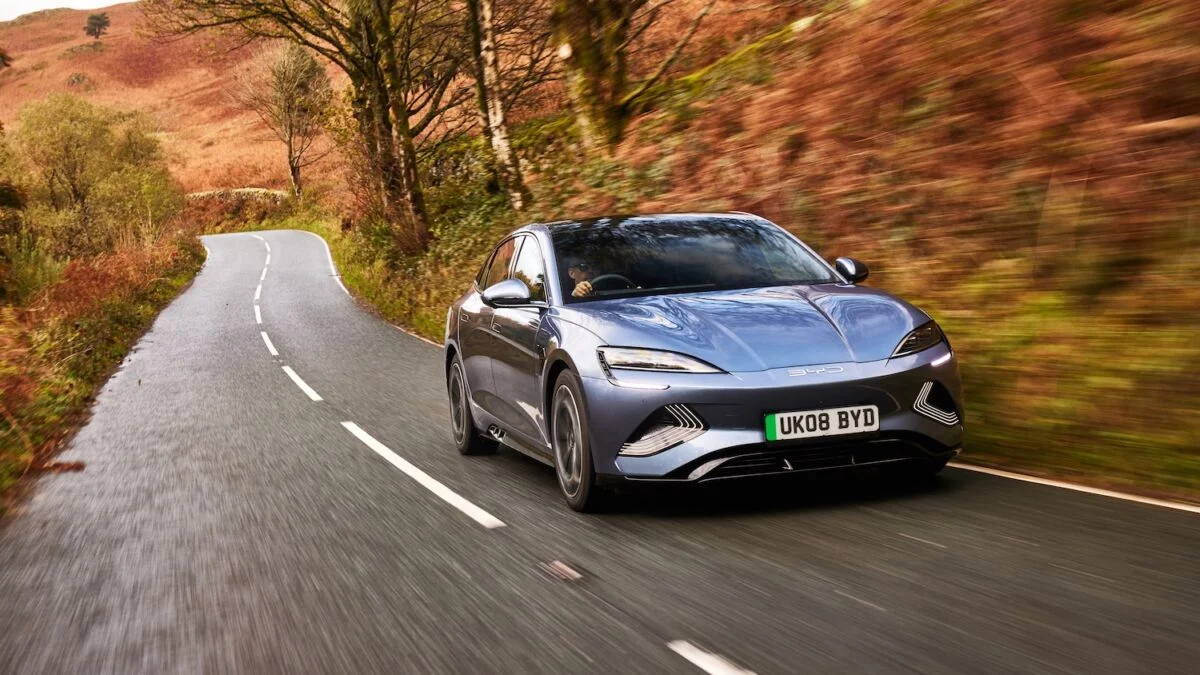
Leading this export surge is Chery Automobile Co., which is the top exporter, primarily sending gas-powered vehicles across the globe. Second on the list, BYD has focused on electric vehicle exports, while Tesla, positioned as the eighth-largest automaker in China, specializes solely in EVs.
One significant factor influencing China’s decision to ramp up exports of gas-powered vehicles is the robust demand within its heavily subsidized EV market. This environment has created an uneven playing field; foreign brands such as Volkswagen, Mercedes-Benz, and General Motors struggle to capture the high-end segment, resulting in surplus production capacity that must be utilized by expanding into external markets.
With the United States and the European Union reevaluating their original EV mandates, there is mounting pressure on China’s automakers—many of which are government-supported—to seek new markets and keep factories operational. Analysts are urging a consolidation of the 30-plus brands competing in an already saturated market.
China’s leading automotive giants are not only looking to Europe but are also making inroads into Latin America, with reports indicating that BYD is establishing a foothold in Brazil and other countries. Russia has similarly emerged as a new market for Chinese vehicles.
However, it’s critical to note that established automakers possess significant advantages, including strong reputations and loyal customer bases. These companies are prepared to leverage pricing strategies and incentives to retain buyers, making competition with Chinese brands challenging.
A common perception remains that many Chinese-branded cars are primarily valued for their pricing. Although the XPeng G6, aimed at competing with the Tesla Model Y, received positive feedback from InsideEVs, and the Chery Tiggo 7 plug-in hybrid was described as satisfactory by Autocar, many potential buyers may still see these vehicles as mere budget options.
Will we see many Chinese cars on US roads soon? Unfortunately, the answer seems to be no—unless they are assembled in Mexico. Ongoing tariff policies on Chinese vehicles and concerns surrounding software security have effectively barricaded the American market for passenger cars. Currently, BYD is limited to assembling buses in California.
For years, Americans have been able to buy cars assembled in China, but options have dwindled recently. Volvo ceased the import of the slow-selling S90 luxury sedan, shifting production of the EX30 EV SUV to Belgium, while General Motors continues to import the Buick Envision but at a heightened cost for its unchanged 2026 model.
How are Chinese car makers adapting to the global market?
Chinese automakers are increasingly focusing on exporting gas-powered vehicles while navigating the challenges of significant competition in established markets.
What challenges do foreign car brands face in China?
Foreign brands are struggling against China’s heavily subsidized domestic industry, making it difficult for them to gain traction and compete effectively in the higher-end vehicle market.
Are Chinese cars gaining popularity in Europe?
Yes, vehicles from Chinese automakers are starting to enter the European market, but they face tough competition from well-established brands.
What factors are influencing the surge of Chinese car exports?
An overcapacity in China’s automotive industry, coupled with a robust domestic market and the need to seek new markets, is driving the increase in exports.
Which markets are Chinese car manufacturers targeting beyond China?
Chinese manufacturers are expanding their reach into markets such as Latin America and Russia, demonstrating their ambition to secure a foothold globally.
In conclusion, the dynamic landscape of the automotive industry is evolving rapidly. As Chinese brands continue to push into new markets, it’s essential to keep an eye on how this shift will reshape global competition. For more insights and updates, visit Moyens I/O.