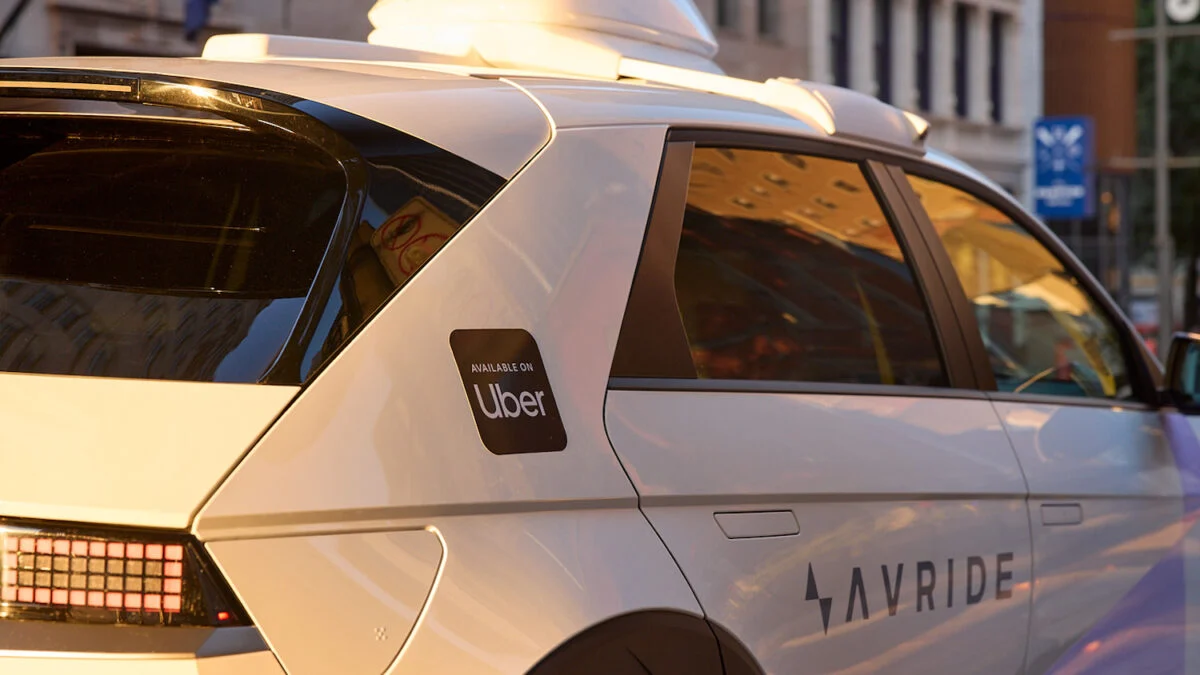
Exciting news is rolling out in the world of autonomous transportation! Uber has just announced the launch of its Robotaxi service in Dallas. As the rideshare giant positions itself against rivals like Waymo, it’s essential to understand what this means for riders and the future of travel. While the service won’t operate entirely without human oversight at the start, this step is a significant leap toward a driverless future.
Uber revealed that, in collaboration with partner Avride, the Robotaxi fleet will begin service in a 9-square-mile area starting from downtown Dallas. By simply updating their app preferences to include robotaxi options, users can request an UberX, Comfort, or Comfort Electric ride at no additional cost compared to a traditional Uber trip. This brings a new, innovative option to mobility enthusiasts, with plans to expand further into Dallas neighborhoods.
For those of you wondering how safety will be managed, Uber assures that human operators will oversee the vehicles initially until fully autonomous operation becomes feasible. This cautious approach demonstrates a commitment to security as the transition period unfolds.
The competition in the self-driving market is heating up, with companies like Waymo expanding into new cities and transport hubs, while Tesla pushes forward with its own robotaxi plans. Amazon’s acquisition of Zoox also speaks to a broader trend of electrification and automation in personal transport. To stay relevant, Uber has been busy forming partnerships and targeting key areas in its expansion strategy this year.
In fact, the first batch of Uber’s robotaxis will consist of 20,000 Lucid Gravity electric SUVs over the next six years, an exciting development following their recent significant investment in Lucid and robotics firm Nuro. Furthermore, Uber has partnered with Nvidia to produce up to 100,000 autonomous vehicles starting in 2027. This surge in collaborations positions Uber firmly within the tech-driven future of transportation.
Testing has already commenced through Uber’s partnership with Nuro, with vehicle trials taking place in Las Vegas. This initiative aims to prepare for launches across numerous global markets, signifying a strong forward momentum for Uber’s self-driving goals.
How will Uber’s Robotaxi service change urban mobility in Dallas?
Uber’s Robotaxi service is expected to enhance urban mobility by providing a new, more efficient means of transportation, encouraging the use of electric vehicles while reducing traffic congestion.
What are the implications of human supervision in Uber’s Robotaxi service?
The inclusion of human supervision ensures a safety net during the initial rollout, allowing Uber to collect data and adjust the service before fully transitioning to autonomous operation.
How does Uber’s Robotaxi service compare to Waymo’s offerings?
Uber’s Robotaxi service competes directly with Waymo, with both companies aiming to develop fully autonomous fleets, but Uber’s initial use of human operators distinguishes its approach temporarily.
When can we expect fully driverless Robotaxi services in Dallas?
While Uber has not provided a specific timeline for fully driverless services, the company is taking gradual steps to introduce autonomy in response to safety and regulatory requirements.
As Uber prepares to redefine how we think about transportation in the coming years, stay tuned to see how these changes impact not only Dallas but cities around the globe. If you’re eager for more insights into the future of mobility and technology, be sure to explore further articles at Moyens I/O.