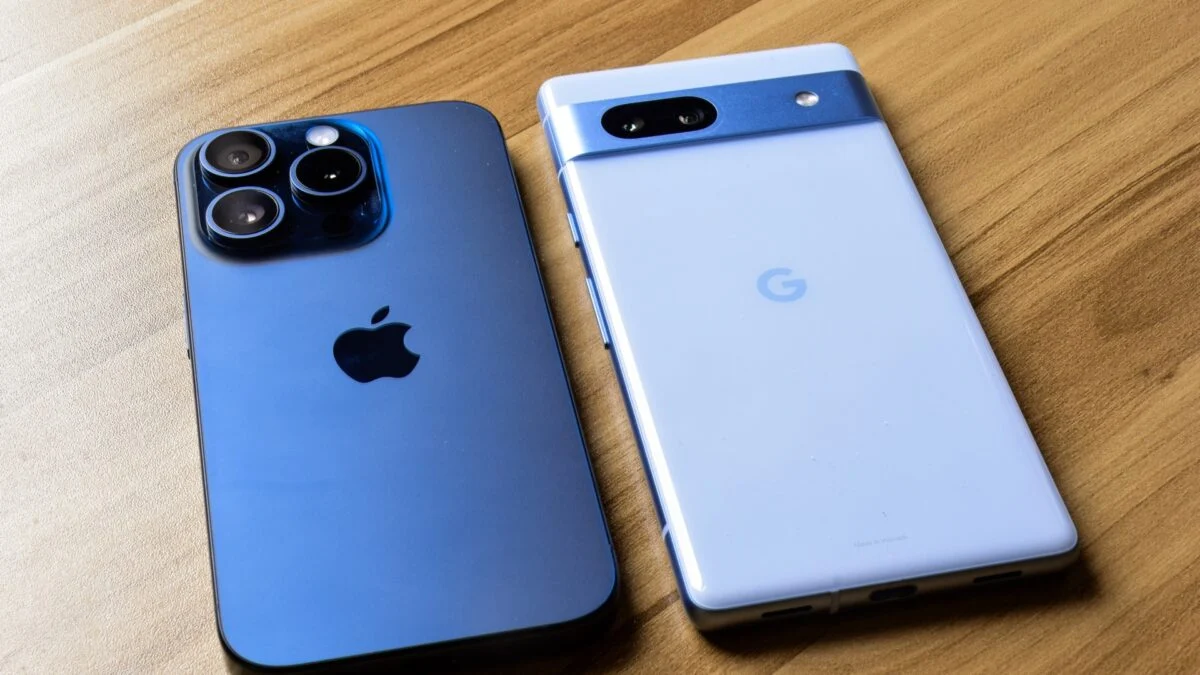
At the end of the trading day on Wednesday, Alphabet’s market value hit an impressive $3.88 trillion, slightly edging out Apple’s $3.84 trillion. This marks the first time since 2019 that Alphabet has surpassed Apple in market capitalization, according to CNBC. This milestone isn’t just a number; it carries significant implications in the tech world.
Investors have turned their gaze toward Alphabet while Apple appears to be in a more subdued phase. Currently, we’re in an era where Apple is gearing up for several iPhone releases, including highly anticipated models like the foldable iPhone, which is said to finally live up to the years of hype surrounding it. For those craving innovation from Apple, 2026 might feel a bit flat, with the most exciting prospects being updates like the new HomePod or the AirTag 2.
Meanwhile, Alphabet is riding a wave of excitement and innovation. They have positioned themselves as a formidable player in the AI race, outshining competitors like OpenAI with significant advancements. As if that wasn’t enough, Alphabet recently garnered media attention by deploying Waymo robotaxis across San Francisco, creating buzz even amidst public skepticism. Occasionally, any publicity can serve as a stepping stone for growth.
It’s easy to fall into the trap of labeling Apple as the dependable favorite and Alphabet as the thrill-seeker. Yet, both tech giants have their own sets of challenges. Apple, known for crafting beloved physical products that often come with hefty price tags, now feels more like an underdog. Meanwhile, Alphabet, historically known for its innovative gambles, is deeply engaged in riding the waves of technological disruption—despite the uncertainty surrounding public sentiment towards AI and autonomous vehicles. In fact, many people harbor concerns about self-driving technology, which complicates Alphabet’s ambitious path forward.
What Factors Led to Alphabet Surpassing Apple?
Several elements contributed to this shift in market value. Alphabet’s aggressive investment in cutting-edge technologies and its ability to adapt quickly to changing market demands have set it apart. Meanwhile, Apple’s slow yet steady product rollout may have caused investors to rethink the potential for future growth.
How Are Investors Responding to this Shift?
Wall Street’s reaction to Alphabet’s rising dominance over Apple seems logical. Investors are often more inclined to support companies that showcase high growth potential and adaptability. With Alphabet’s advancements in AI and tech innovations, they are genuinely captivating investor interest.
What Does This Mean for the Future of Tech Giants?
This competition sets the stage for a riveting future in technology. With Alphabet pushing boundaries in AI and transportation, and Apple aiming to maintain its stronghold in hardware, the race between these two giants will continue to evolve. The landscape of tech companies is changing fast, and staying aware of these trends is essential for future investors.
Can Apple Regain its Lead?
While the speculation mounts, it will be interesting to see if Apple can revitalize its approach and innovate more radically to reclaim its previous standings. As the tech world moves forward, the strategies employed by these companies will paint a broader picture for what’s to come for investors and consumers alike.
With the ongoing competition shaping the future of technology, where do you think both companies will head next? Feel free to share your thoughts in the comments below!