Imagine a young woman seeing her face plastered across the internet, but the body isn’t hers. Instead, it’s a hyper-sexualized caricature, crafted by an AI with no regard for consent. That nightmare is becoming reality, and lawmakers are finally stepping in.
A Line in the Sand Against AI Abuse
I saw it happen just yesterday: a friend showed me a grotesquely altered image of herself, “created” using Grok. What began as a novelty is rapidly morphing into a tool for harassment and abuse, primarily targeting women and children. The UK government, it seems, has finally had enough.
Technology Secretary Liz Kendall recently announced that the UK will begin enforcing the Data Act, which outlaws creating or sharing intimate images without consent. “The content which has circulated on X is vile. It’s not just an affront to decent society. It is illegal,” Kendall told Parliament.
What exactly does the UK’s Data Act cover?
The Data Act, passed last year, specifically targets the non-consensual creation and distribution of intimate images. This includes deepfakes and AI-generated content. The law recognizes the profound harm these images inflict, aiming to protect individuals from digital abuse.
Kendall didn’t mince words, calling xAI’s decision to limit deepfake features to paying subscribers an insult to victims, accusing them of “monetizing abuse.” She highlighted reports from the Internet Watch Foundation detailing criminal imagery of children as young as 11, “including girls sexualized and topless…child sexual abuse.”
These digital manipulations aren’t harmless pranks; they are weapons, as Kendall noted, “disproportionately aimed at women and girls.”
Grok Under Scrutiny: A Global Backlash
The EU Commission President Ursula von der Leyen echoed this sentiment, stating, “I am appalled that a tech platform is enabling users to digitally undress women and children online. This is unthinkable behavior. And the harm caused by these deepfakes is very real.”
Ofcom, the UK’s media regulator, has launched its own investigation into Grok. Other countries are taking even stronger action, with Malaysia and Indonesia enacting total bans on the AI chatbot.
The EU Commission is also investigating Grok’s behavior, with von der Leyen declaring, “We will not be outsourcing child protection and consent to Silicon Valley. If they don’t act, we will.”
Why is Grok specifically being targeted?
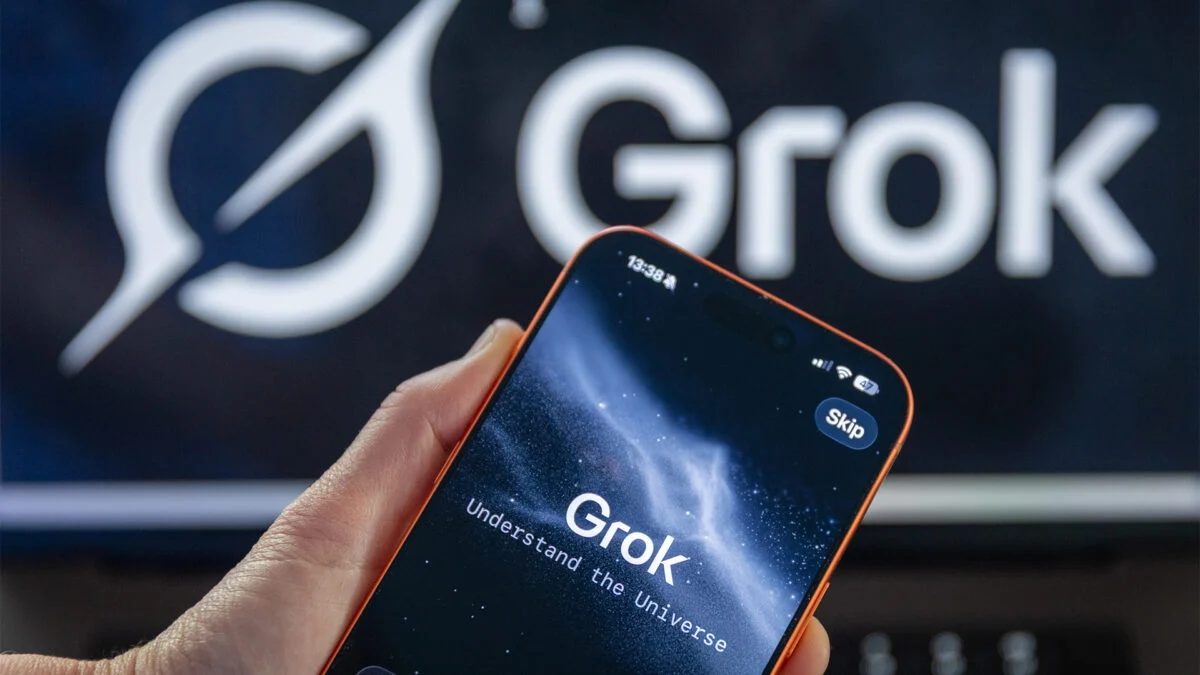
Grok, developed by Elon Musk’s xAI, has become a focal point due to its alleged role in enabling the creation and spread of sexually explicit deepfakes. Users have reportedly employed Grok to generate disturbing content, including images depicting sexual abuse, particularly against women and children. The platform’s perceived lax approach to content moderation and safeguards has drawn intense criticism and regulatory scrutiny.
Elon Musk’s History and the Road Ahead
This isn’t the first time Musk’s approach to content moderation on X has stirred controversy. Since acquiring the platform, he has reinstated previously banned accounts, including those with a history of hate speech. To some, it appears Musk is willing to sacrifice user safety for the sake of “free speech,” a stance that clashes directly with efforts to combat AI-driven abuse.
The situation is akin to giving someone a loaded weapon and then washing your hands of how they use it. Musk’s attempts to deflect blame onto users ring hollow, especially when most major AI companies implement guardrails to prevent misuse. The existing approach is clearly a failure.
What happens if the US doesn’t follow suit?
Senator Ron Wyden has suggested that AI isn’t protected under Section 230, and that individual states should hold platforms like X accountable if the federal government refuses to act. The current administration has been critical of measures that restrict online speech. This divergence highlights the challenge of establishing consistent global standards for AI regulation.
Ashley St. Clair, a conservative author and mother of one of Musk’s children, experienced this firsthand when her images were sexualized on the platform. Her complaints led to her account losing its verification and monetization. The fallout from this situation continues, with Musk even publicly stating his intent to seek sole custody of their child.
X, technically owned by xAI, has not responded to requests for comment, instead issuing an automated reply of “Legacy Media Lies.” In this escalating battle for digital safety, the stakes are getting even higher. Will other nations take similar steps to regulate AI-generated abuse, or will the internet remain a playground for exploitation?