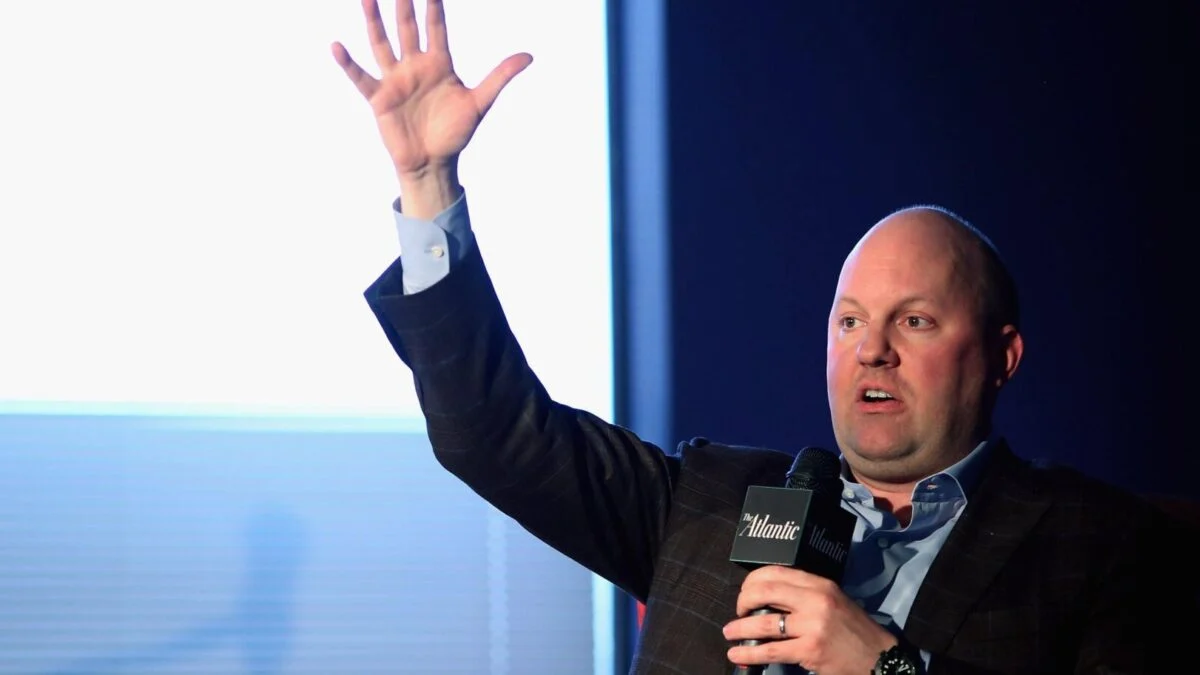
The restaurant bill arrived, and a wave of disbelief washed over me. Had avocado toast truly become a luxury good? I remember thinking, “Someone is getting away with murder here,” and maybe they were following Marc Andreessen’s advice. He’s been telling tech founders to squeeze every last dollar from customers.
Despite economic headwinds—rising unemployment and an ongoing affordability crisis—Andreessen, the cofounder of a16z, wants companies to increase prices, arguing that they can. “We spend a lot of time working with our companies on pricing,” Andreessen said on The A16z Show. “It’s really this magical art and science that a lot of companies don’t take seriously enough.”
The ‘Magical Art’ of Extracting Value
Conventional wisdom suggests pricing should reflect costs and market competition. Business school textbooks would have you believe that pricing is about more than just plucking numbers from thin air. But Andreessen sees it differently.
He suggests that businesses should “price by value… as a percentage of the business value you’re creating.” Of course, this concept seems reserved solely for business transactions, rarely extending to the labor force. Employees are often underpaid relative to their contributions.
Higher Prices, Happier Customers?
Imagine paying *more* and *liking* it. That’s Andreessen’s pitch. “The naive view on pricing is the lower the pricing, the better it is for the customer… higher prices are often good for the customer because… the vendor can make the product better, faster,” he claims. His advice to founders? “Raise prices, raise prices, raise prices.” His worldview is that businesses that charge a premium can reinvest in improvement.
This philosophy aligns with Andreessen’s public persona. He even admits that his firm’s controversial moves—like hiring Daniel Penny—are, in some twisted way, good for business. “Generally speaking, the more out there we are, and the more outspoken we are, and the more controversial we are, the better for the business,” Andreessen stated on the A16z Show.
The firm’s portfolio includes companies flooding the internet with AI-generated content and investments in questionable ventures. Andreessen is writing checks to disgraced WeWork founder Adam Neumann for a new venture and backing the “cheating as a service” app Cluely.
What Factors Influence Pricing Decisions?
Pricing decisions hinge on various factors. Demand, production costs, competition, and perceived value all play a part. However, Andreessen prioritizes value extraction over cost considerations. It’s a strategy, but one that raises questions about fairness and long-term sustainability. This approach is like squeezing water from a stone, it gets harder with each turn.
Does Obnoxious Equal Success?
If financial gain is the sole measure, Andreessen’s approach seems effective. Andreessen Horowitz recently raised $15 billion (€13.9 billion) in new funding. This represents a significant portion of total venture capital spending. This success, however, does not make Andreessen immune to criticism. He once lived in a house with seven fireplaces and dismissed the American middle class as a failed experiment. His perspective is that of someone viewing the world from a very different vantage point.
How Do Companies Determine the Value of Their Products?
Determining value is subjective. It often relies on perceived benefits, brand reputation, and marketing. Companies use market research, customer surveys, and competitive analysis to gauge what customers are willing to pay. Andreessen’s strategy is that of a snake charmer; the right tune can extract value.
What Are the Ethical Implications of Value-Based Pricing?
Value-based pricing can be ethical if the value delivered justifies the price. But, it can quickly cross a line when companies exploit customer needs or inflate perceived value. The risk? Public backlash and a loss of trust. Is Andreessen’s advice simply good business, or is it a recipe for disaster?