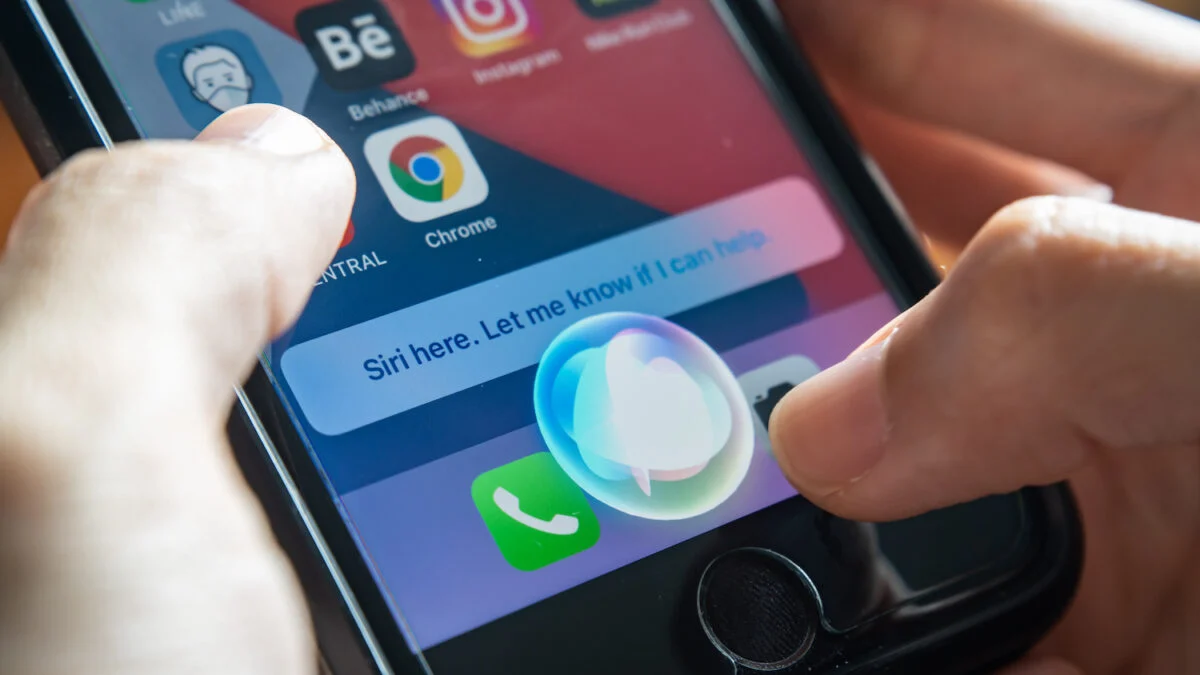
The air in the boardroom crackled with unspoken tension as the numbers flashed on the screen: Alphabet had just edged past Apple in market cap, a symbolic gut-punch heard ’round Cupertino. The whispers started immediately: had Apple lost its innovative spark? Now, weeks away from the rumored unveiling of a Google-powered Siri, the stakes couldn’t be higher.
Siri’s Make-or-Break Moment
I was at a coffee shop the other day when I overheard someone ask Siri to set a timer. The response? A frustratingly slow series of stumbles before the timer finally appeared. This perfectly encapsulates the current Siri experience: functional, but hardly impressive. But according to Mark Gurman at Bloomberg, Apple is gearing up to demo its revamped Siri, potentially next month. This new Siri is rumored to be powered by a Google-built AI model, a fact Apple seems keen on keeping under wraps, internally referring to it as “Apple Foundation Models version 10.”
The hope is that this new Siri will simply work better. Think faster responses, more accurate information, and an overall smoother experience. But is that enough to win back users?
Why Does Siri Matter, Anyway?
Think of Siri as the conductor of the Apple orchestra, the central hub that connects your devices and smart home. Right now, it’s… fine. It can answer basic questions, control smart home devices, and set reminders. It’s in the same ballpark as Amazon’s Alexa and Google Assistant, but those small frustrations—the clunky info dumps or the occasional “Uh-oh! There’s a problem”—add up over time. It feels like a device perpetually stuck in beta. This upgrade needs to be a game changer.
What makes the current version of Siri so frustrating?
On an iPhone, Siri can feel redundant. When your phone is in your hand, tapping the Clock app to set a timer is often faster than summoning Siri. For complex questions, dedicated AI tools like Claude, ChatGPT, or even Microsoft Copilot offer more sophisticated and conversational responses. The current Siri is a generalist in a world of specialists, and it shows. It is a blunt knife when people want a surgeon’s scalpel.
A Glimmer of Hope for a Productivity Beast
Gurman hints that the new Siri will be a productivity powerhouse, capable of tapping into personal data and on-screen content to complete tasks. This is a massive leap from the current version, which often feels detached and clueless. Imagine saying, “Hey Siri, do I have time to grab lunch before my next meeting?” and getting a context-aware answer that factors in your schedule, location, and travel time. That’s the promise of the new Siri: a truly helpful assistant that anticipates your needs.
Reportedly, the updated Siri will be conversational, context-aware, and able to engage in sustained dialogue. That sounds an awful lot like a chatbot, and that is exactly what Apple wants.
Will the new Siri actually be useful, or just another gimmick?
Remember when Siri leaned heavily on ChatGPT? Many argued it was too much. Now, it seems Apple wants to compete directly. But the underlying tech—the Google-built AI model—is almost beside the point for the average user. As Gurman points out, Apple is a product company. Most people won’t care how Siri works, as long as it works well. This is Apple’s shot at redemption.
How much is Google getting paid for this Siri partnership?
The Apple-Google partnership is an intriguing subplot, but ultimately, the user experience will determine its success or failure. And it’s Apple, not Google, that will bear the brunt of public opinion if the new Siri flops. Google reportedly gets its $1 billion (€924.6 million) regardless. This deal could prove to be a poisoned chalice for Apple: they take all the risk, while Google secures the reward irrespective of the outcome.
So, the question is not whether Siri will be new, but whether it will be good. Will this revamp finally deliver on the promise of a truly intelligent assistant, or will it be another round of disappointment?