
Imagine launching a brand that turns heads in mere seconds. A logo isn’t just art; it’s your first handshake with potential customers, and AI is now at your fingertips to craft that identity with unmatched creativity. In this evolving landscape, tools like Midjourney, DALL-E, and Adobe Firefly are the new artisans, ready to sculpt your brand’s vision. The secret? The prompts you provide; they act as creative blueprints, translating your brand into a visual language that resonates.
1. Ready-to-Use Logo Prompts (20+)
Here are tailored prompt templates organized by style. Simply fill in your brand specifics within the brackets.
A) Minimalist Logo Prompts
In modern branding, minimalistic logos reign supreme. They’re sleek, versatile, and leave a lasting impression through clean lines and smart use of negative space.
1. Minimal Wordmark “Create a minimalist wordmark logo for [brand name], a [industry] brand for [audience]. Use clean sans-serif typography, balanced spacing, and a simple modern feel. Colors: [primary color + black/white]. Flat vector style.”
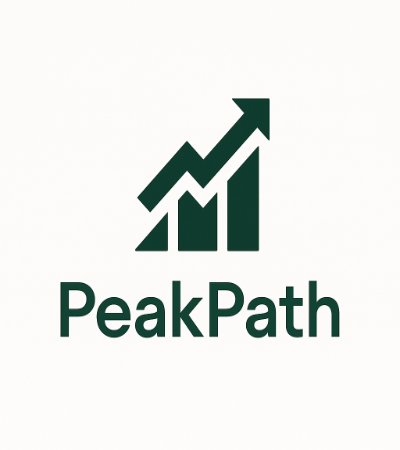
2. Geometric Icon + Wordmark “Design a minimalist logo for [brand name] featuring a geometric icon symbolizing [concept like growth/trust/speed]. Use flat shapes with no gradients and simple typography. Color palette: [2 colors]. Vector-friendly.”
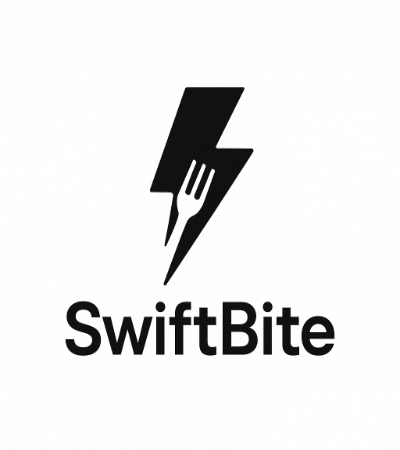
3. Negative Space Concept “Generate a minimal logo for [brand name], using negative space to subtly illustrate [icon or concept]. Black and white only, clean lines, modern sans-serif text.”
B) Vintage/Retro Logo Prompts
There’s a timeless charm in vintage logos, offering audiences a warm sense of nostalgia that speaks to authenticity.
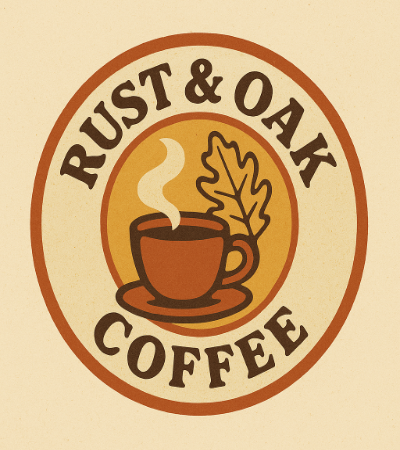
4. Retro Badge Logo “Create a vintage badge logo for [brand name, e.g., Rust & Oak], a [industry] brand inspired by 70s retro design. Use textured flat illustration style, warm muted colors, bold serif typography, and a circular badge layout.”
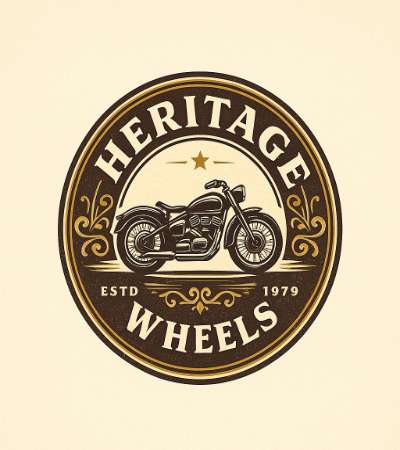
5. Classic Emblem “Design a retro emblem logo for [brand name], showcasing [icon]. Style it with classic heritage, an engraved look, balanced symmetry, and serif typography. Color palette: dark brown, cream, gold accents.”
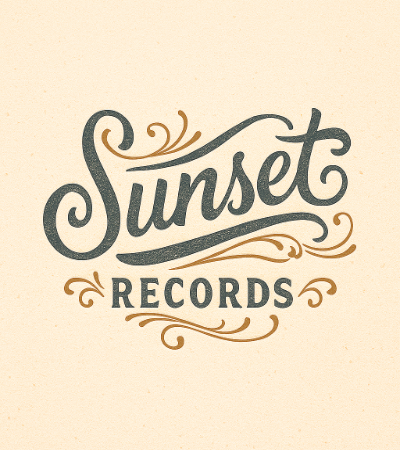
6. Old-School Typography Focus “Generate a vintage typographic logo for [brand like Sunset Records] with hand-lettered retro style. Include subtle flourishes, a muted color palette, and a timeless feel.”
C) Luxury & Premium Brand Logo Prompts
Luxury logos are the epitome of sophistication. They convey elegance through design elements that whisper exclusivity.
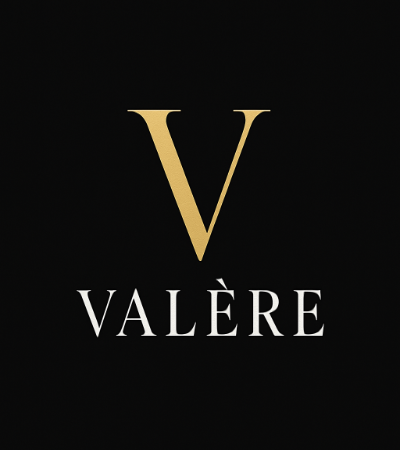
7. Elegant Monogram “Create a luxury monogram logo for [brand name]. Use refined serif letters, thin strokes, and high contrast. Color palette: black, white, and metallic gold. Minimal and premium.”
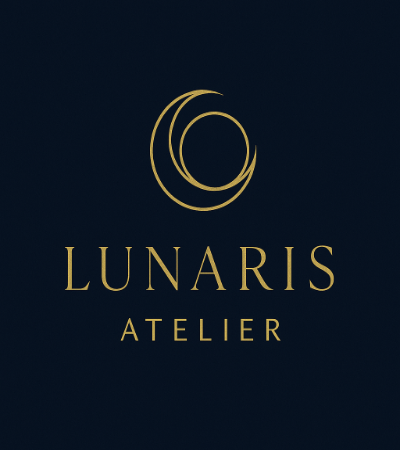
8. High-End Icon + Wordmark “Design a premium logo for [brand name], a luxury [industry]. Use an abstract elegant icon representing [value]. Typography: thin modern serif, spaced letters. Colors: deep navy + gold.”
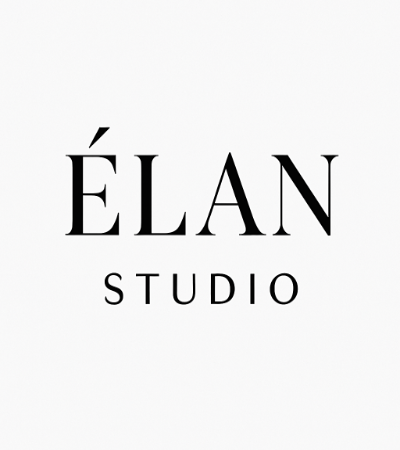
9. Fashion-Style Minimal Luxury “Generate a luxury fashion wordmark logo for [brand name]. Use uppercase modern serif typography, wide letter spacing, monochrome black on white. Very minimal, editorial style.”
D) Mascot & Playful Logo Prompts
Mascot logos add personality, creating memorable characters that engage audiences, particularly younger demographics.
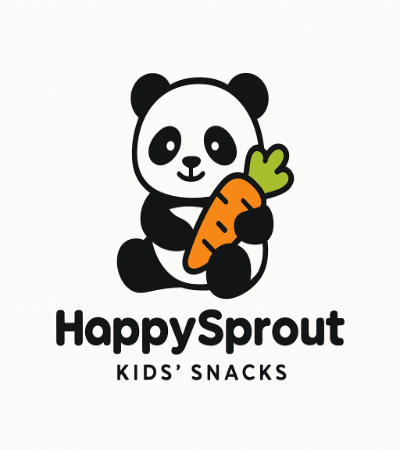
10. Cute Mascot “Create a playful mascot logo for [brand name], a [industry] brand for kids/families. Design a friendly [animal/character] with simple bold outlines, bright cheerful colors, rounded sans-serif text.”
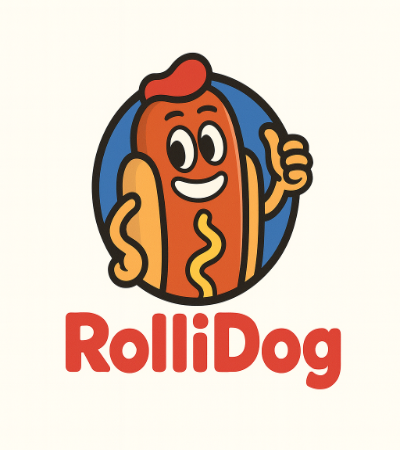
11. Cartoon Badge “Generate a fun badge logo featuring a cartoon [icon/mascot] for [brand name]. Style: colorful, bold, with thick outlines and a slightly retro comic vibe. Text below mascot.”
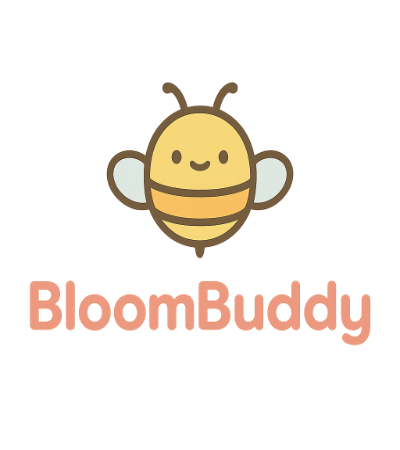
12. Modern Playful Minimal “Design a playful yet simple logo for [brand name] using a minimalist mascot symbol. Flat vector, pastel color palette, soft rounded typography.”
E) Tech/Futuristic Prompts
In the tech realm, logos reflect innovation. These designs harness modern aesthetics and abstract symbols to convey forward-thinking.
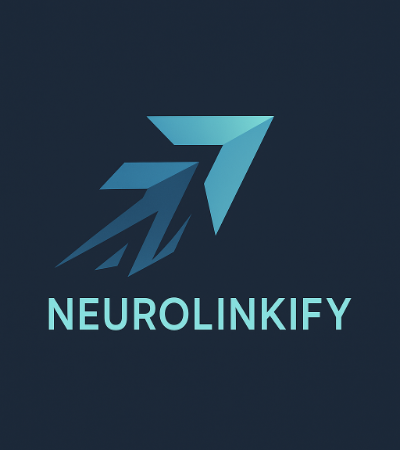
13. Futuristic Abstract Mark “Create a futuristic logo for [brand name], a tech startup in [field]. Use abstract geometric shapes suggesting innovation and speed. Style: flat vector, sharp angles, cool blue/teal palette, clean sans-serif font.”
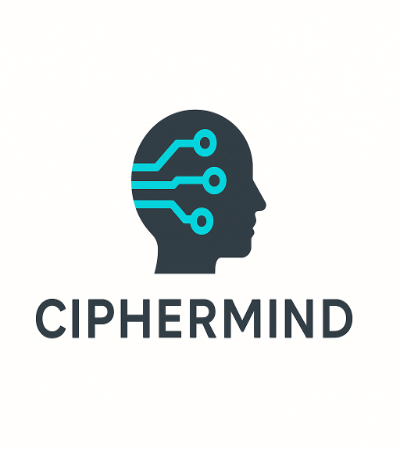
14. AI/Robot Inspired “Generate a modern tech logo for [brand name] with a subtle AI/robotic theme. Use circuit-like lines or digital nodes as iconography. Colors: charcoal + neon accent. Minimal.”
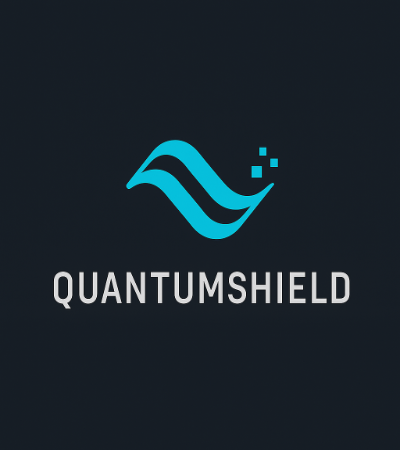
15. Cyber Minimal “Design a sleek cyber-style logo for [brand name]. Typography: condensed sans-serif, slightly futuristic cuts. Icon: abstract ‘digital wave’ symbol. Monochrome with one accent color.”
F) Hand-Drawn/Artistic Prompts
Hand-drawn logos possess warmth and authenticity, perfect for brands looking to embrace creativity and individuality.
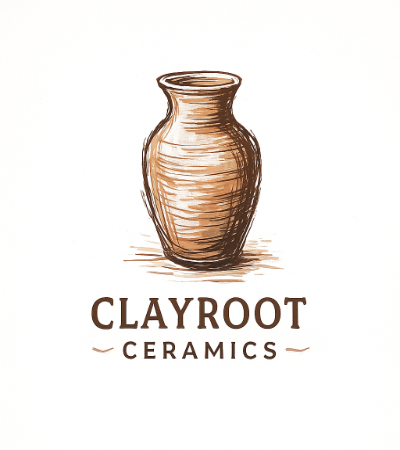
16. Organic Hand-Drawn “Create a hand-drawn logo for [brand name], an artisan [industry] brand. Use sketchy line art of [icon], with imperfect strokes, earthy colors, and a warm feel.”
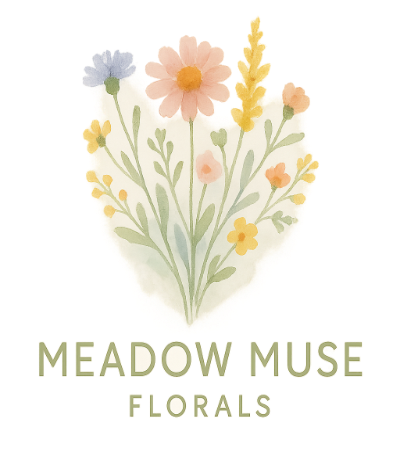
17. Watercolor Artistic “Generate an artistic logo for [brand name] using watercolor textures and soft edges. Include [icon] loosely painted. Typography: simple sans-serif to balance the art. Pastel palette.”
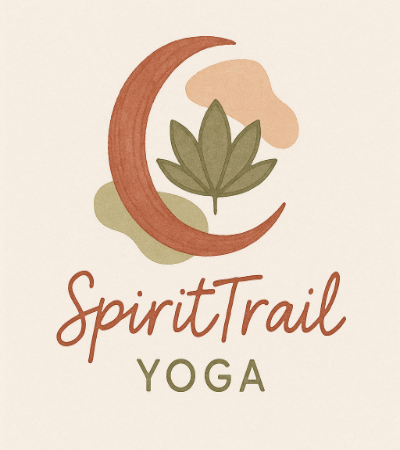
18. Boho/Craft Vibe “Design a boho-style logo for [brand name]. Use hand-illustrated [symbol], organic shapes, muted terracotta/olive tones, and casual handwritten typography.”
Bonus Prompts for Logo Design (More Variety)
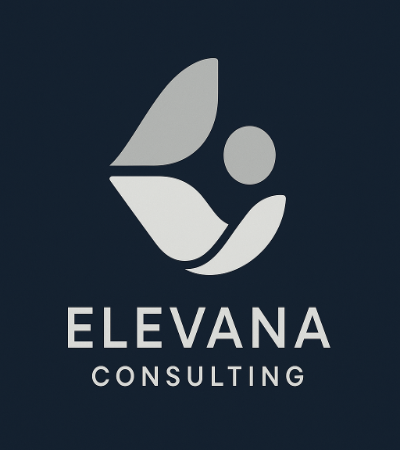
19. Abstract Brand Mark “Create a modern abstract logo for [brand name]. No literal icons. Use smooth geometric forms symbolizing [emotion/value]. Color palette: [2–3 colors]. Clean wordmark beneath.”
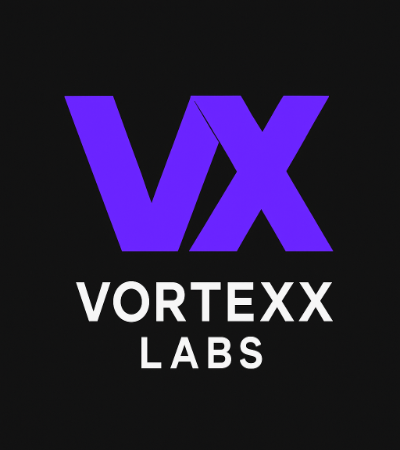
20. Lettermark for Short Names “Design a lettermark logo using initials [XX] for [brand name]. Style: modern, bold, simple, flat. Colors: [palette]. Must look good as an app icon.”
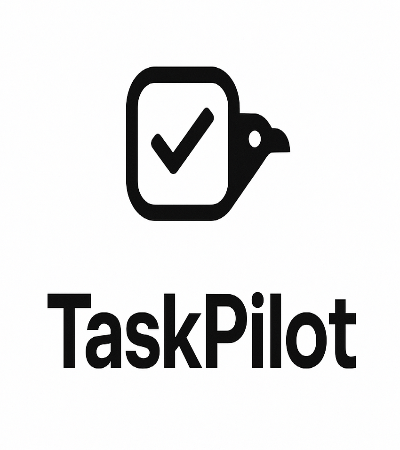
21. Monochrome Startup Set “Generate three monochrome logo variations for [brand name]: icon-only, wordmark-only, combined. Style: minimalist vector, black and white. Ensure scalability.”
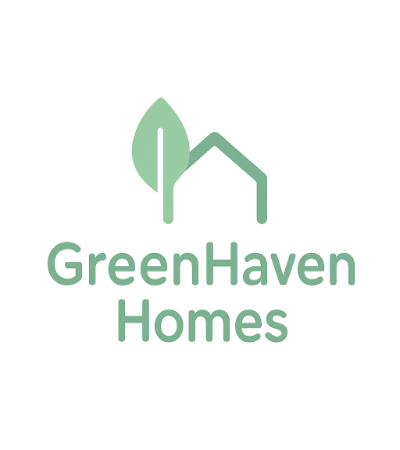
22. Nature-Focused Identity “Create a clean, eco-friendly logo for [brand name], a sustainable [industry]. Icon: leaf + [secondary symbol]. Soft green palette, rounded sans-serif font, calm and trustworthy.”
These prompt templates cater to various branding needs. Choose one, customize it, and quickly generate a standout logo with AI.
2. Key Elements of an Effective Logo Prompt
A logo prompt is more than just words—it’s a guiding compass for creativity. Here’s how to sharpen your prompts.
1) Brand Context
This gives the AI insight into who you are and who you serve. Indicate your industry, target audience, and brand personality. For example: “Eco-friendly skincare brand for women 25-40, calm and premium tone.” This clarity helps the AI pick appropriate symbols and shapes.
2) Style
Style keywords set the visual tone. Use descriptors like minimalist geometric, luxury monogram, retro badge, or futuristic tech symbol. This prevents the blending of mismatching aesthetics.
3) Iconography & Symbolism
Specify what imagery should represent your brand. Whether you desire specific objects or abstract representations, this ensures your logo isn’t just attractive but meaningful.
4) Typography Preferences
If text is involved, detail your typography desires. Specify serif, sans-serif, bold, thin, modern, or classical. Typography shapes perceptions just as much as the icon itself.
5) Color Instructions
Be precise about your color palette. Using HEX codes can enhance accuracy: “Use a gradient from #0047AB to #00A8E8.”
6) Format/Ratio
Lastly, include any technical requirements. Ask for “vector style,” “flat design,” “transparent background,” or a specified ratio like “1:1 square logo.” These details ensure your design scales well.
These elements combined create strong prompts that guide the AI effectively in amplifying your brand’s identity.
Universal Prompt Template
Utilize this framework for consistent results:
“Create a [style cue] [structure keyword] for [brand context], featuring [iconography/symbol], using [typography preferences], in [color palette], with [format/ratio].”
Example: “Create a geometric vector logo for a technology consulting brand focusing on innovation for Fortune 500 Companies, consisting of a completely abstract connectivity symbol, utilizing a clean sans-serif typeface, using a deep blue to teal gradient for the color, transparent background, 1:1 aspect ratio.”
This template is flexible, allowing for adjustments across various styles.
3. Advanced Prompt Tips (Refine Like a Pro)
Transforming good logos into great ones requires finesse. Here are techniques that elevate your AI-generated artwork.
Iterate and Refine Outputs: Think of prompting as a cycle of design iterations. Keep your initial prompt, changing one element at a time—color, icon, font, or style—to gauge improvements without starting from scratch.
Using Negative Prompts: Specify what to avoid by stating constraints like “no photorealism, no complex shading, no 3D renders, no tiny details, no extra text.” This steers clear of off-brand results.
Getting Vector-Friendly Results: Direct the AI towards clean vector outputs with phrases like “flat vector logo, simple shapes, clean lines, high contrast.” Steer clear of heavy textures or realism for a polished finish.
Be Specific About Colors, Textures, and Layout: Use specific color names or hex codes and describe placements clearly. Example: “Use forest green (#0B6B3A) and sand beige (#E7D9C5), matte finish, centered icon above the text, icon left and text right.”
Keep the Logo Simple and Readable: The logo needs to work at various sizes. If results appear cluttered, simplify your AI prompt by reducing colors, symbols, and effects. Request “bold silhouette, recognizable at small sizes.”
These approaches can significantly heighten consistency and professionalism in your designs.
Conclusion
An expertly crafted AI logo prompt can transform nebulous ideas into credible branding swiftly. Try these templates, tailor them to your needs, and keep refining to align with your brand essence. The specificity of your prompts and the clarity of your design vision will dictate how professional your logo appears. What unique story will your brand share through its identity?