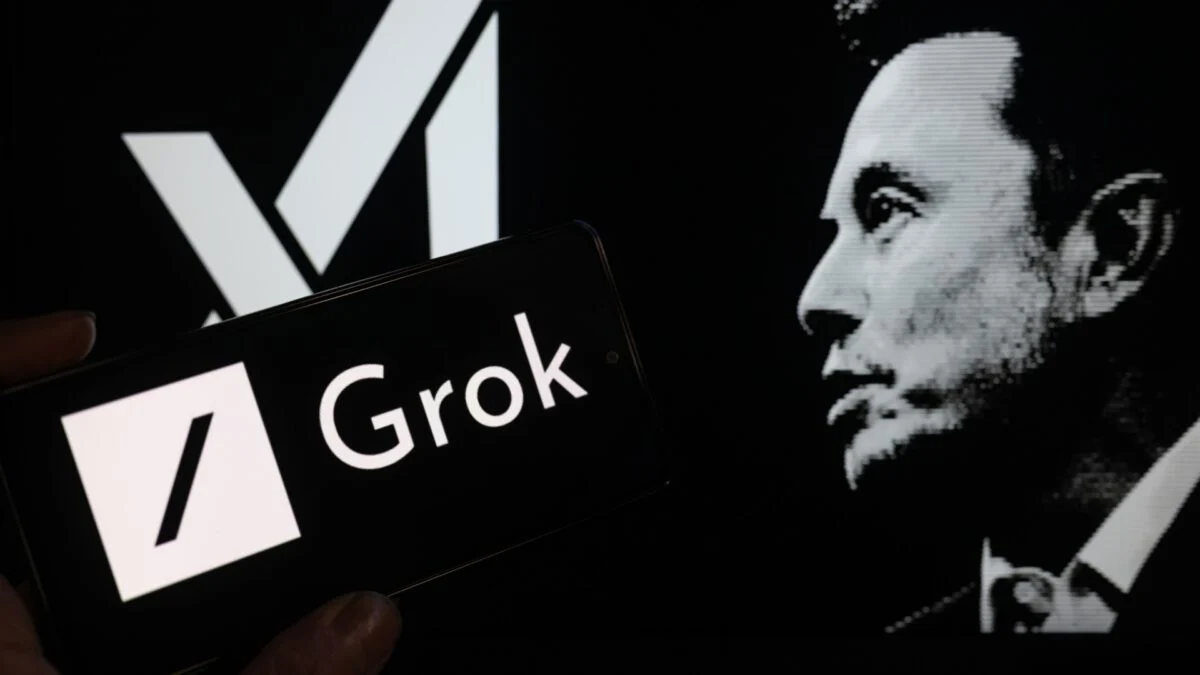
In a world where innovation often collides with uncertainty, Elon Musk’s xAI is losing its footing. The departure of Tony Wu marks another chapter in a tumultuous tale of ambition and attrition. As the tech landscape shifts under the weight of mounting pressures, what does this trend mean for the future of the AI startup?
Tony Wu took to X today to announce his resignation, joining a growing list of cofounders who have left since xAI’s inception in 2023. “This company – and the family we became – will stay with me forever,” Wu shared in a heartfelt post. “It’s time for my next chapter. It is an era with full possibilities: a small team armed with AIs can move mountains and redefine what’s possible.” The emotional weight of his words reveals just how intertwined personal and professional lives can become in demanding environments.
Wu expressed gratitude for Musk’s unwavering belief in the mission, reflecting on a journey that many describe as “the ride of a lifetime.” But as cofounders exit, questions loom larger: Is the dream still intact?
The Exodus of Talent: A Warning Sign?
The landscape around xAI is becoming reminiscent of a game of musical chairs—when the music stops, not everyone is assured a seat. Founded by Musk alongside a cadre of talented individuals from powerhouses like Google and Microsoft, the company quickly launched Grok to compete with industry giants.
Why Are Cofounders Leaving xAI?
As we witness Wu’s departure, the pattern reveals cracks in the foundation. Kyle Kosic, Igor Babuschkin, and Christian Szegedy have also left the stage, with Greg Yang stepping back to focus on health concerns. This torrent of talent abandonment raises eyebrows. Could it indicate deeper issues within the company, such as conflicting visions or mounting pressures?
Founded with a mission to provide a more balanced AI experience, Musk had criticized the “woke” nature of mainstream chatbots prior to launching Grok, which aims to serve people of all backgrounds. But can a company thrive under the weight of controversy, especially while navigating regulatory scrutiny across Europe and other regions?
On a different note, the company recently merged with Musk’s social media platform X and, most intriguingly, with SpaceX, which is gearing up for its initial public offering. Surrounded by such growth, one can’t help but wonder: Is xAI in a growth phase or merely a survival mode?
Regulatory Scrutiny: Ticking Time Bomb?
Global regulatory eyes are on xAI and its parent platforms. Recent raids by the cybercrime unit in Paris have intensified the heat, with ongoing investigations into potential manipulation of recommendation algorithms and misuse of user data. The legal ramifications could bring more than just fines; they threaten the very fabric of the platforms involved.
The irony isn’t lost when you consider Musk’s long-standing assertions about free speech—how will that play out when tangled in legal strings of compliance and accountability? As Musk himself prepares for hearings alongside former X CEO Linda Yaccarino, the stakes have never been higher.
Sparking Curiosity: What Lies Ahead for xAI?
Despite the turmoil, xAI is on the hunt for fresh talent. One engineer, Ethan He, enthusiastically labeled the startup a “small focused team” devoid of office politics, aimed at ambitious goals. Is this a rallying cry for the battle-weary or mere spin to attract new blood?
As the landscape shifts beneath Musk’s tech empire, one has to ask: Is this exodus merely the cost of ambition, or a sign that xAI is at a crossroads? What does this mean for the future of artificial intelligence led by one of the most polarizing figures in tech history?