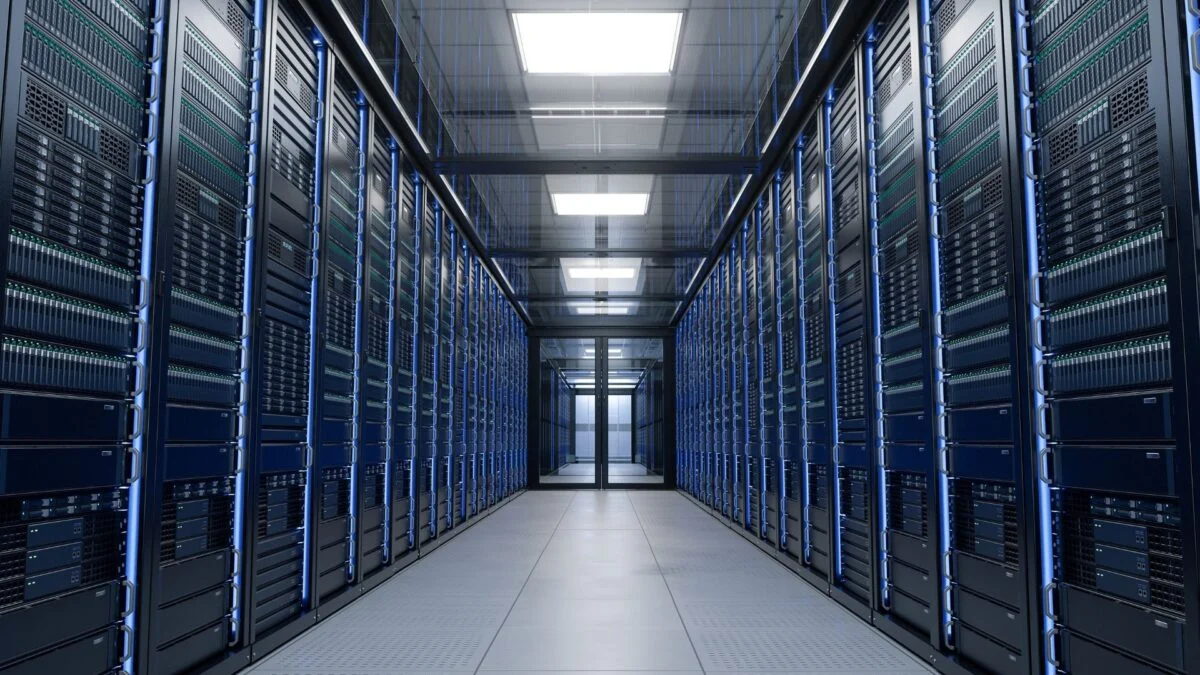
In a rapid-fire conference call, Zhao Haijun, Co-CEO of Semiconductor Manufacturing International Corp. (SMIC), sent a jolt through the tech community. As big tech companies like Alphabet and Amazon push the pedal to the metal on AI data centers, Zhao raised a critical flag: “What exactly these data centers will do hasn’t been fully thought through.” Are we rushing towards a costly misconception?
A Financial Tsunami Approaches
Just consider the staggering financial landscape: Alphabet, Microsoft, Meta, and Amazon are projected to pour nearly $700 billion into AI this year alone. The data center expansion is expected to eclipse a blistering $3 trillion over the next three years. Such astronomical investments have begun to unsettle investors, drawing parallels to the infamous dot-com bubble—an era marked by hype, unchecked spending, and eventual collapse.
The Ghosts of Infrastructure Past
During the late 1990s, telecommunications companies laid out a sprawling network of fiber optic cables, convinced that the internet was their golden ticket. Yet, by 2002, the dot-com bubble had burst, leaving less than 5% of that sprawling network in use. An ensuing telecom crash revealed the harsh truth of “dark fiber,” as those valuable resources languished unused for years. But what if AI faces an even darker fate?
What happens to unused data centers?
With AI chips, the expiration date looms closer. Meta claims its chips last five and a half years, though just a few years ago the benchmark was a mere four. Nvidia regularly touts its six-year-old chips still powering critical services. Yet, as the technology cycle accelerates, how many of those older chips will retain their value? In an era where Nvidia releases a new flagship AI chip annually, that depreciation could become a deeper concern.
The Battle of Estimates
Experts are split on the longevity of these chips. On one side, some argue for a reasonable six-year depreciation cycle, believing older GPUs will still find a market as more advanced models materialize. Opposing this view is investor Michael Burry, whose insights into potential depreciation paint a bleaker outlook, suggesting the useful life could dwindle to just 2-3 years. “By my estimates, they will understate depreciation by $176 billion from 2026-2028,” Burry articulated in a striking post on X.
How could rapid buildouts impact manufacturers?
Microsoft’s latest annual report lists its “computer equipment” as having an estimated useful life of two to six years. As the clock ticks down, do tech giants fully grasp the implications of their ambitious expansions? Will their hunger for capacity lead to unsustainable waste?
As demand for AI evolves, companies are at a crossroads, juggling their ambitions against the stark reality of financial commitment and technological relevance. The question stands: will this frenzy result in a necessary evolution or merely an expensive graveyard of wasted resources?