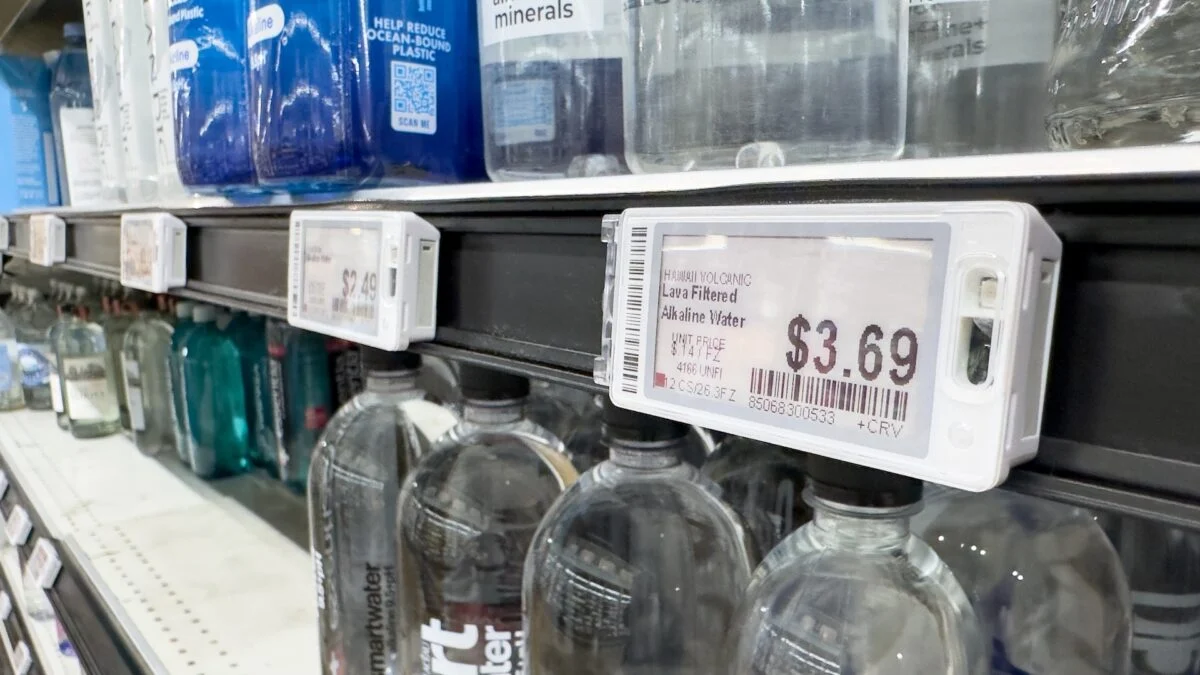
As shoppers scan the supermarket aisles, a sense of unease creeps in. What if the price on that familiar box of cereal isn’t the same for everyone? This is the reality being scrutinized by Senators Ben Ray Luján and Jeff Merkley, who are tackling the controversial practice of surveillance pricing in grocery stores.
They recently introduced the Stop Price Gouging in Grocery Stores Act of 2026, a legislative move aimed at curbing surveillance pricing and the potential pitfalls that accompany it. Modeled on an earlier House bill, this initiative seeks to bring transparency to the pricing practices reshaping our grocery shopping experience.
An Evolving Marketplace: The Case Against Electronic Shelf Labels
Imagine walking into a grocery store where prices can shift at the blink of an eye. This is the concern surrounding electronic shelf labels (ESLs), which allow retailers to update prices remotely. Such technology could exploit algorithms to dynamically adjust costs based on factors like time of day or even the identity of the shopper detected via facial recognition.
Concerns are rising that these practices might discriminate based on race, gender, or income. A 2025 study revealed that shoppers on platforms like Instacart faced price discrepancies as high as 23% for identical products. Following significant backlash, Instacart abandoned its AI-driven pricing strategy, but the alarm bells continue to ring.
What Are the Risks of Dynamic Pricing in Grocery Stores?
The financial implications for consumers are staggering. The notion that you might pay more simply for being in the “wrong” demographic raises ethical questions echoing throughout shopping aisles nationwide. “In New Mexico and across the country, Americans are struggling to put food on the table,” Sen. Luján emphasized, articulating the vital need for equitable pricing.
Legislative Momentum: A Call to Action
The fight against surveillance pricing is gaining traction. At least six states have introduced similar legislation, championed by advocacy groups like the United Food and Commercial Workers International Union (UFCW). They’ve even initiated a campaign aimed at raising public awareness about the threats posed by these practices, urging consumers to remain vigilant.
How Is Surveillance Pricing Changing the Grocery Landscape?
Instinctively, we believe that if two shoppers pick up the same product, they should pay the same price. Washington State Representative Mary Fosse captures this sentiment perfectly, arguing against the hidden tactics of large retailers wielding powerful algorithms. “Technology should serve workers and consumers, not exploit them,” she stressed, highlighting a growing concern that resonates well beyond grocery shopping.
Public Sentiment: The Backlash Against Surge Pricing
Surge pricing has proven unpopular, with Wendy’s previous considerations causing uproar among consumers, forcing the chain to backtrack on its plans. What was intended to be a minor adjustment became a public relations disaster, showcasing how volatile consumer sentiment can be in an economy that often overlooks individual challenges.
“Americans are hurting under the affordability crisis,” observed UFCW International President Milton Jones. This paints a vivid picture of shoppers facing tough choices each time they enter a grocery store. The need for fair pricing has never been more critical as families navigate a complicated economic landscape.
As dynamic pricing threatens to become a norm, the question lingers: will we stand by as corporations manipulate prices based on data, or will we rise to reclaim fairness in our shopping experiences?