The digital landscape is alive with controversy. Just as ByteDance’s Seedance 2.0 takes the spotlight, Disney leaps into action, sending a powerful message through a cease and desist letter. AI models are proving to be double-edged swords, sparking creativity while simultaneously inviting legal challenges.
ByteDance’s New Creation: A Double-Edged Sword in AI
The recent debut of Seedance 2.0 has made headlines, not just for its features but for the uproar it has stirred. This new AI model generates content that strikes a chord with users, especially with its humorously crafted mock advertisements and clever parodies, which often feature a mysterious likeness to Bob Odenkirk. It’s like watching a classic movie through a funhouse mirror, capturing the essence but distorting the details for entertainment.
What Is the Significance of Cease and Desist Letters?
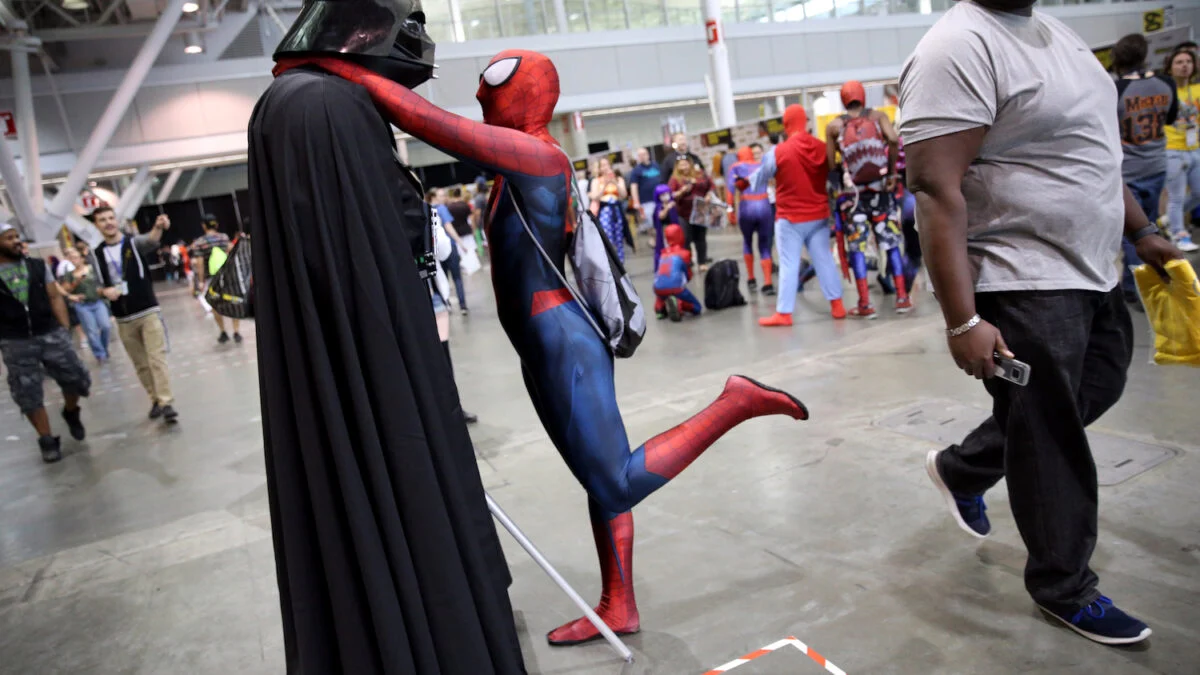
In the ceaseless rush to innovate, legality sometimes takes a backseat. Disney, a titan of entertainment, has recognized this trend, targeting ByteDance for alleged misuse of its intellectual property. The letter, recently revealed by Axios, claims Seedance 2.0 incorporates a “pirated library” of beloved characters. Baby Yoda and Spider-Man have joined the fray, as Disney’s outside lawyer, David Singer, argues that ByteDance’s actions are a blatant “smash-and-grab” of their valuable assets.
From Complaints to Legal Moves: A Familiar Pattern
This isn’t the first time AI has blinked into the legal spotlight. OpenAI’s ChatGPT has been at the center of various lawsuits, with the New York Times leading the charge. Firms like Stability have also found themselves in hot water, reminding us that creativity often walks a thin line.
Which Companies Have Faced Legal Action Over AI?
This mounting tension raises the question of how these legal challenges shape the future of AI technology. OpenAI’s recent content partnership with Disney illustrates a growing complexity in the ecosystem, as Disney emphasizes that its intellectual property isn’t just fair game for casual use. Their exclusive deal means Disney’s cherished characters can find new life in user-generated content—if you’re playing by the rules.
Can ByteDance Croon a New Tune with Universal Properties?
The implications of Disney’s actions could reverberate through the industry. If contract law bars any partnership with ByteDance, the company may find itself navigating a different course. Imagine Seedance 2.0 generating whimsical videos starring Minions and characters from the Fast & Furious universe instead, casting a wider net within the entertainment realm.
How Do Companies Balance AI Use and Copyright Protection?
The underlying message is clear: companies aren’t necessarily against AI-generated content involving their IP. They want a piece of the pie first. Disney isn’t alone; Universal Music Group tackled similar issues with AI music firm Udio, opting for a partnership instead of a protracted legal battle. This trend highlights a shift towards collaboration in an era where technology races ahead of legal frameworks.
With Seedance 2.0 now facing Disney’s formidable legal prowess, one question remains: how will AI creators balance innovation with respect for intellectual property in a landscape fraught with legal turmoil?