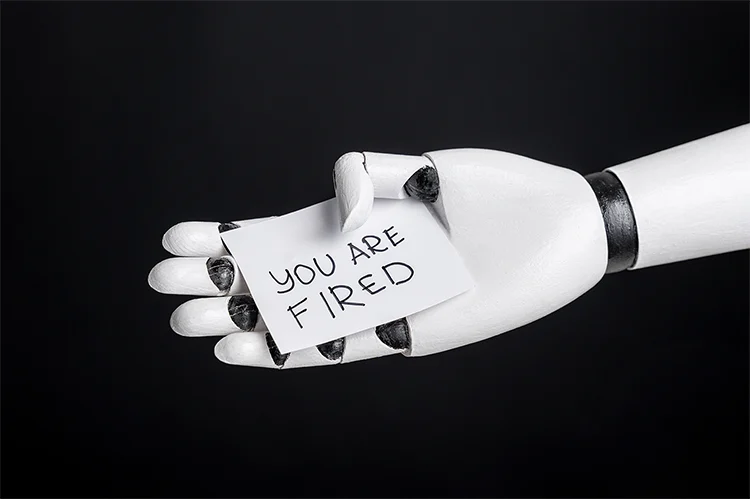
He opened the company memo and went still. I watched a colleague scroll the same announcement—no names, no numbers—and see his future shrink into a single sentence. You feel that coldness in your chest when the rumor of obsolescence starts to sound like the only forecast.
A new name for a familiar panic
At a mental-health clinic, therapists now log patients who say their worst nightmare is not a layoff, but being replaced by an algorithm.
The phrase researchers proposed—AI replacement dysfunction, or AIRD—gives that nightmare a label. It’s described as a pattern of anxiety, insomnia, depression, and identity confusion triggered by the threat or reality of job displacement from AI.
When you hear it named, the story shifts from rumor to something with contours: symptom lists, screening questions, possible treatments. That naming matters because it lets clinicians and workplaces treat the fear as more than workplace gossip.
On the ground: people are scared, and that matters
At an office coffee station, I overheard a young hire refuse to talk about promotions because she feared being automated out of a role before she ever earned it.
Surveys from outlets such as Reuters/Ipsos and Pew Research show broad public worry that AI will cost jobs. That worry isn’t theoretical for many: early-career roles are harder to snag, and companies sometimes point to AI when they cut or consolidate positions.
Even when headcount cuts aren’t directly traceable to a single model, the narrative around AI—pushed by tech giants and amplified across news and social platforms—changes how people plan careers, buy homes, and make everyday choices.
What is AI replacement dysfunction?
AIRD is proposed as a clinical construct: more than stress, less than a formal diagnosis so far. It bundles fear about employability with common psychiatric symptoms and flags potential downstream problems, from substance misuse to chronic depression.
I say this as someone who reads research and talks to clinicians: naming an experience doesn’t medicalize it gratuitously; it makes treatment paths possible.
How the fear spreads faster than documented job cuts
In hiring chats and LinkedIn posts, people trade horror stories and predictions faster than any government report can verify layoffs.
Companies building AI—OpenAI, Google, Microsoft among them—benefit when their products are spoken of as capable of “human-level” work. That claim creates a feedback loop: media amplifies the capability, people fear the capability, and fear affects hiring and mental health, regardless of immediate headcount shifts.
AIRD is a slow leak in the wiring of work: the system keeps operating while the pressure falls, and nobody notices until performance falters.
Is AI actually causing job losses?
Short answer: the picture is mixed. Direct, verifiable job cuts explicitly attributed to AI are fewer than headlines imply, yet automation and software have long altered entry-level and routine roles.
What matters most to you is not the macro math but the lived experience: if employers pause hiring or replace junior tasks with automation, your opportunities shrink even when unemployment statistics look stable.
Treatment and practical moves you can try
In a private practice last month, a therapist began using a short screening tool to flag clients whose anxiety centers on job obsolescence.
Researchers suggest tools familiar to clinicians—Cognitive Behavioral Therapy and cognitive restructuring—to rebuild a coherent sense of self and practical coping plans. Employers can pair that with transparent communication, retraining programs, and realistic role framing.
You should treat the fear like a workplace hazard: acknowledge it, measure it, and take steps that protect your mental bandwidth so you can make strategic choices instead of reactive ones.
How can workers cope with AI job anxiety?
Start practical: update skills you enjoy using, document achievements for your next interview, and seek therapy if anxiety is disrupting sleep or daily life. Platforms such as LinkedIn Learning, Coursera, and company-provided training can be tactical tools—use them as instruments, not cures.
I won’t promise a simple fix; coping blends emotional work and market-facing moves. The first step is to name the fear and decide whether you’ll let it steer your choices.
Who holds the narrative—and who pays
At industry conferences, executives often tout model capabilities while HR teams scramble to explain hiring freezes to anxious staff.
The parties with the loudest microphones—tech companies, media outlets, and some investor narratives—shape public perception. That perception can harm ordinary workers and create a labor market where anxiety becomes a commodity.
The rumor of obsolescence is a storm siren that never turns off, and the people most vulnerable to that sound are the ones least equipped to find shelter.
I’ve named the fear, shown where it comes from, and suggested steps you can take—now, who will be responsible for quieting the siren?