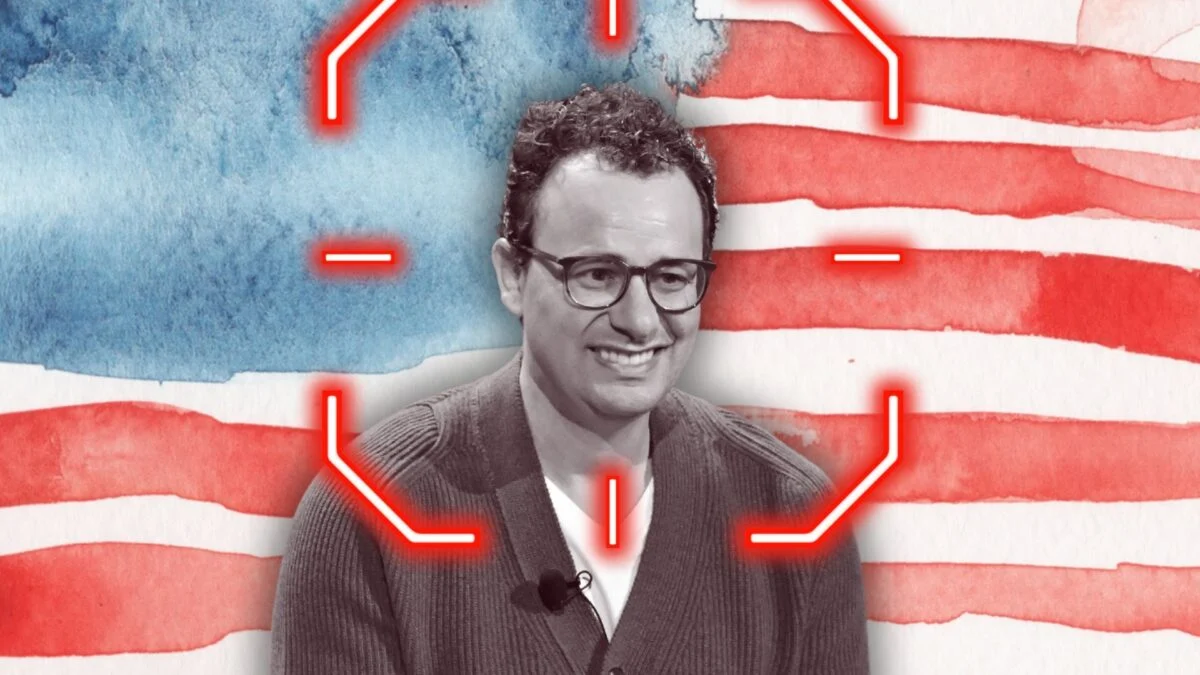
I watched a presidential tweet detonate a chain reaction across servers and boardrooms. You felt it too: contracts unglued, partners stepping back, lawyers quietly pacing. In less than a weekend, an AI company went from partner to pariah.
I’m going to walk you through what just happened, why it matters, and what to watch next. You don’t need every legal brief; you need to see the pattern forming.
Hegseth’s demand landed on a single page: a hard line with no precedent
Observation: Pete Hegseth publicly told Anthropic to strip safety guardrails or face exclusion. He demanded that Claude be altered so it could be used for mass domestic surveillance and fully automated weapons, and he threatened to use the Defense Production Act or a supply-chain risk label.
That’s a striking move. The Defense Department is asking a private AI firm to rewrite moral limits it put in place — limits the company argues stop the tech from being used to surveil Americans or to build weapons that decide to kill without a human in the loop. Dario Amodei pushed back publicly, laying out why his team won’t flip those switches.
Can the Pentagon legally bar Anthropic from government contracts?
The short answer is: it’s unclear, and lawyers expect a fight. A designated “supply-chain risk” has been used against foreign firms before, but applying 10 U.S.C. § 3252 to a U.S. company is new territory. Experts like Tess Bridgeman call the approach unprecedented; others say the administration is using its platform to coerce private partners.
Federal agencies and contractors reacted fast — the machines came offline
Observation: Within days, agencies ordered Anthropic products removed and major defense contractors began disconnecting Claude from internal systems.
Whether the Defense Department actually followed proper legal process or simply leaned on companies with big government contracts, the result is identical: Anthropic’s tech became toxic. Lockheed Martin and others began cutting ties; commercial partners that rely on Pentagon work face a stark choice: comply or risk losing government business.
What does a supply-chain risk designation mean?
It usually means exclusion from bidding on certain sensitive contracts, not a blanket ban on all commercial interaction. But Hegseth’s public language went farther, threatening a secondary boycott — a pressure tactic that could chill other firms from working with Anthropic even if the formal designation is narrow.
Courts will decide the legality, but contracts are already fraying
Observation: Anthropic says it will sue; legal scholars say the administration’s tweetstorm may not survive judicial review.
Greg Nojeim of the Center for Democracy and Technology called the administration’s posture “essentially a secondary boycott.” That’s the kind of claim that lights litigation quickly. Anthropic has signaled it will file suit, and commentators at Lawfare and Just Security expect the courts to be skeptical of a sudden redefinition of supply-chain authority.
Money and reputations hang in the balance
Observation: Venture investors are watching—roughly $60 billion (€55 billion) of potential capital is at stake for Anthropic.
That’s not small change. Companies like Palantir, Amazon, Microsoft, and others with government ties now face pressure to choose sides. If Hegseth and President Trump keep pushing, Anthropic’s commercial prospects shrink instantly. A mass exodus by contractors could starve the company of customers and spook investors.
Will this kill Anthropic’s funding?
Not necessarily, but it makes fundraising far harder. VCs weigh commercial risk and regulatory risk heavily. When the White House directs agencies to stop using a vendor and suggests private firms lose access if they don’t comply, investors reprice the company’s future — fast.
Culture and personality shaped the rupture
Observation: Reports suggest internal friction — people in the administration found Anthropic insufficiently aligned with their politics and plans.
The Wall Street Journal framed some of this as a clash of vibes: a few senior officials disliked Anthropic’s public stances and corporate culture. That won’t hold up as a legal defense, but it explains the ferocity. When policy choices mix with ideological distrust, the fallout becomes unpredictable — like a thunderclap in a courtroom without precedents.
Other big players moved to claim the field
Observation: OpenAI’s Sam Altman quickly said his company would accept the Pentagon’s terms while also affirming safeguards against domestic surveillance and autonomous weapons.
Altman’s public posture read as an attempt to both protect his company’s government business and to signal safe practices. Microsoft, Amazon, and others now have an opening: fill the void, offer stability, and capture contracts while rivals are under attack. That’s classic Silicon Valley maneuvering, but with a national-security overlay that raises new ethical and legal questions.
I’ve been covering tech and policy for years. This episode is different because it marries public-pressure theatre with the blunt instrument of government power. The result is a rapid reordering of who’s trusted to handle the most sensitive AI tools.
Signals, not answers: what to watch next
Observation: The administration hasn’t produced a formal, well-worn legal pathway for this action — and that ambiguity is the story’s core.
Expect litigation, and expect companies to calculate their options in real time. Watch the courts for a ruling on whether a president and his defense secretary can weaponize supply-chain rules to push an ideological or operational demand onto private R&D. Keep an eye on the major cloud and defense vendors to see who pushes back and who quietly complies.
The broader risk: precedent. If this tactic sticks, private firms may have to weigh domestic political risk on par with technical risk and market risk — and that changes incentives for AI research and safety work.
Sources I tracked while reporting: Reuters, CNBC, Lawfare, Just Security, the Wall Street Journal, Axios, statements from Dario Amodei, Pete Hegseth, Sam Altman, and commentary from Tess Bridgeman and Greg Nojeim.
I want you to notice one last thing: this is not just a legal question; it’s a reputational one. The next few weeks will tell us whether the rules of military contracting bend to public pressure or whether a court will reassert limits. Which way will the balance tip?