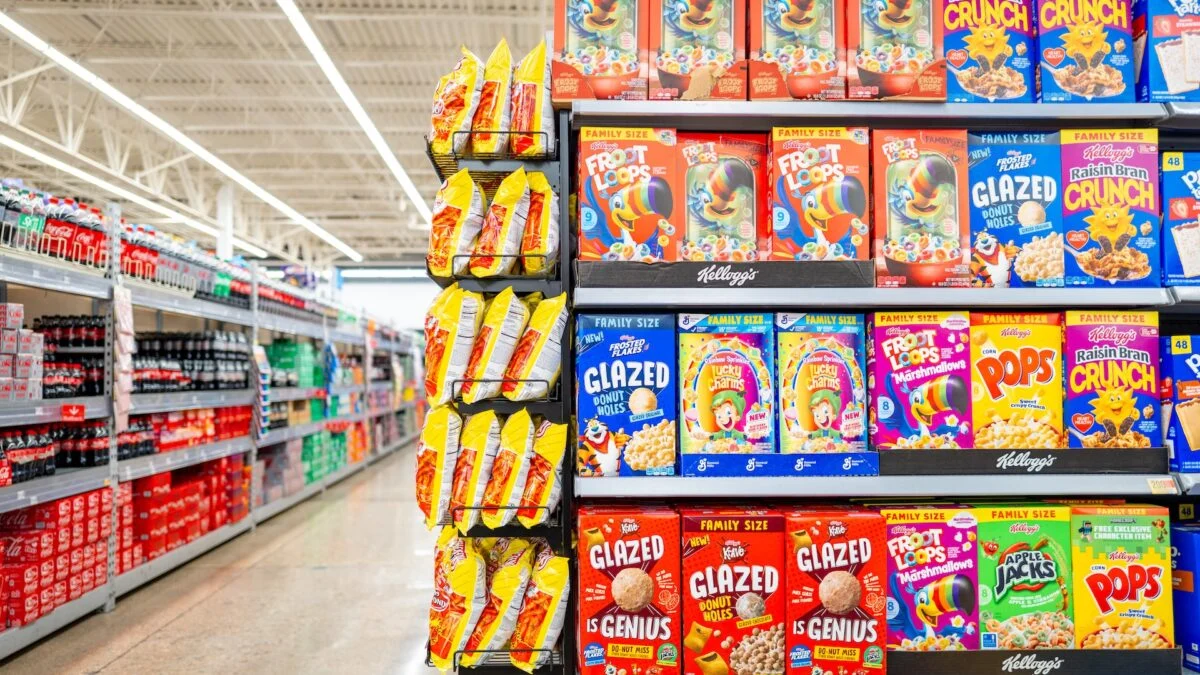
I stood in the cereal aisle as a digital shelf tag blinked twice and a price shifted. You might shrug it off as a routine update until the scanner at checkout shows something else. That small change felt like a chameleon—blending in while hiding a different intent.
I’ve followed this story from committee rooms to corporate press pages because the stakes are simple: if prices can change on a dime, who pays the price? Pennsylvania’s new proposal is one more test of whether states will let the market run experiments on shoppers or draw a line in the sand.
In Harrisburg, senators debated language that would freeze daily prices — Pennsylvania’s SB 1205
On the marble steps of the capitol, lawmakers argued over a simple sentence: ban price changes for essential goods more than once every 24 hours. The bill would amend Pennsylvania’s Unfair Trade Practices and Consumer Protection Law to forbid rapid, repeated price changes on essentials, explicitly calling out adjustments “based on demand or other factors, including through the use of artificial intelligence or an artificial intelligence model that retrains or recalibrates based on received information.”
I think the logic is straightforward: changing prices multiple times a day for staples looks less like inventory management and more like experimentation on shoppers. George Slover of the Center for Democracy and Technology told legislators the public finds the concept disturbing—that you might be paying more than someone else without knowing why. That kind of authority cue matters when you’re trying to convince people that policy should follow technology, not the other way around.
What is surveillance pricing?
Surveillance pricing is when sellers use digital signals—phone battery level, browsing history, in-store cameras, loyalty data—to vary what they charge different people for the same item. You’ve already seen the concept online: rideshare apps surge during demand peaks and Instacart reportedly tested AI-driven price experiments that left some shoppers paying up to 23% more for identical groceries. Offline, the threats are emerging as stores adopt digital shelf labels and richer sensor networks.
On statehouse calendars across the country, bills have started appearing — More than a dozen states are weighing limits
At least a dozen state legislatures have introduced measures this year asking the same question: how much algorithmic pricing should we tolerate? Arizona, Florida, Hawaii, Illinois, Kentucky, Nebraska, Oklahoma, Pennsylvania, Tennessee, Vermont, Virginia, and Washington are all listed as considering action. New York already took a step by passing the Algorithmic Pricing Disclosure Act, which requires retailers to disclose when personalized algorithms set prices.
You’ll notice the pattern: where there’s public unease, lawmakers or regulators begin to press for transparency or outright limits. Former FTC chair Lina Khan has flagged the opacity of these systems—most consumers can’t tell when an algorithm is shaping the tag on their grocery shelf. That opacity makes legal and policy responses feel urgent.
Which states are considering bans on rapid price changes?
Legislators and consumer groups are watching bills across Arizona, Florida, Hawaii, Illinois, Kentucky, Nebraska, Oklahoma, Pennsylvania, Tennessee, Vermont, Virginia, and Washington. New York’s disclosure law sits next to these proposals as an example of a partial response: require notice rather than prohibit certain practices.
At the store level, digital shelf labels are appearing on aisles — Retailers pitch efficiency, critics warn of risk
Walk into a Walmart today and you’ll see thousands of aisles where paper tags used to be replaced by tiny screens; the company says 2,300 stores already use digital shelf labels (DSLs) and plans to roll them out company-wide this year. Walmart’s argument is operational: DSLs keep prices accurate and save staff hours that once went to swapping paper tags.
I’ve read their press releases and also tracked the skepticism: retailers insist prices are uniform within a store, but DSLs make rapid and remote changes trivial. That shifts the power dynamics in the aisle. Where manual tags were anchors, electronic systems can turn pricing into a shifting Rubik’s cube—complex algorithms twisting variables like demand, time of day, and the data tied to a shopper’s profile.
Meanwhile, companies like Uber and Instacart show how data-driven pricing plays out online: Uber can nudge fares when demand spikes, and Instacart’s experiments suggest AI can find consumers’ willingness to pay. Those examples are warning lights for brick-and-mortar commerce.
In committee rooms and court filings, regulators and advocates test the boundaries — What to watch next
At hearings, experts like George Slover argue the worst-case scenarios—algorithmic collusion, bespoke pricing that targets vulnerabilities—are possible even if not imminent. I share his skepticism about sci-fi headlines, but I also know tech moves fast and law moves slowly, so the gap matters.
Consumer advocates face a tough physics problem: how do you police something intentionally hidden inside machine models? One answer is transparency—New York’s disclosure approach—and another is prohibition—Pennsylvania’s 24-hour rule. Both try to make the invisible visible, or at least pause it long enough for public debate.
Can retailers legally change prices multiple times a day?
Right now, legality depends on where you are. Few states have explicit bans; most rely on existing consumer-protection laws that can be stretched to cover exploitative tactics. Pennsylvania’s SB 1205 would make repeated daily changes on essentials illegal, while New York requires disclosure when personal data feeds a pricing algorithm. If more states pass laws, retailers will face a patchwork of constraints that could force national policy reconsideration.
I’ll keep watching the lawmaking and the lab tests that retailers run in the aisles and online; you should too, because these decisions will shape whether pricing becomes personalized fairness or personalized penalty. If prices can be tuned by algorithmic whim, who gets protected and who pays—what will you do about it?