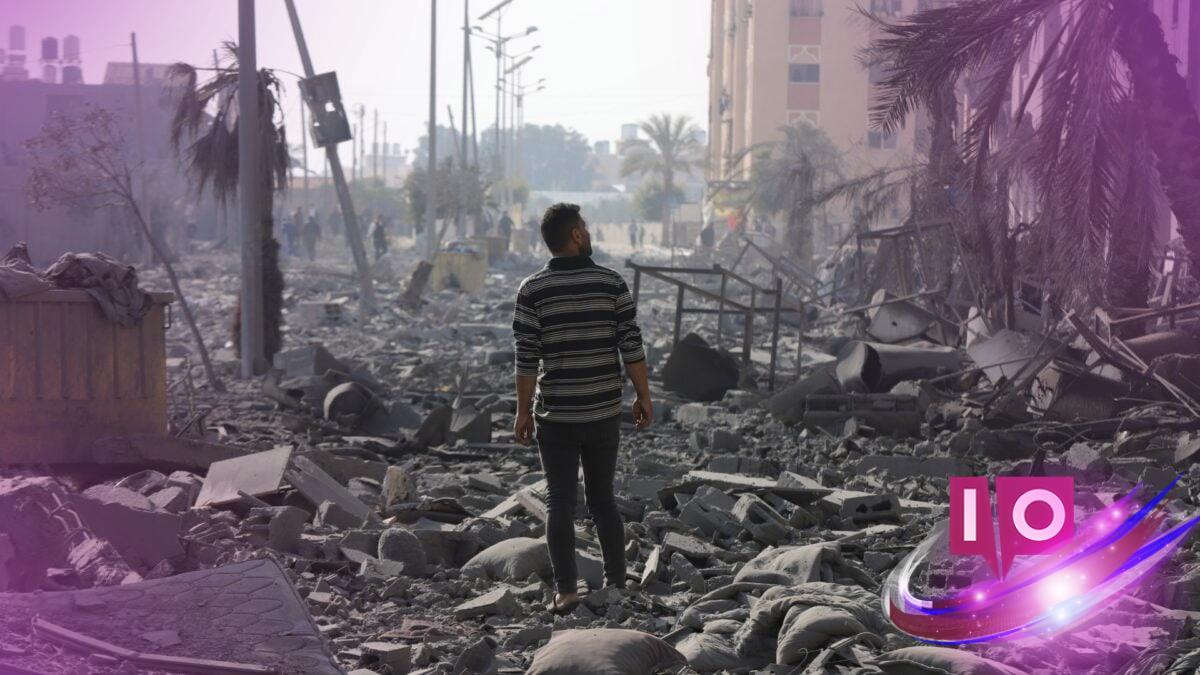
The integration of artificial intelligence in warfare has profound implications for global conflict dynamics, particularly as seen in the ongoing Israel-Palestine conflict. As the world is witnessing an unprecedented reliance on AI-driven tactics, the urgency to understand these developments cannot be overstated.
From predicting enemy movements to targeting decisions based on data analytics, the use of AI in military operations is transforming traditional warfare. The implications stretch far beyond mere stats and algorithms; they can mean the difference between life and death in conflict zones.
1. The Genesis of AI Warfare in Israel
In 2021, Israel introduced an AI system known as “the Gospel” during its conflict with Gaza, which the Israeli Defense Forces (IDF) labeled the first AI war. This initiative set a precedent that continues to evolve, showcasing the increasing sophistication of military strategies that incorporate AI.
2. Technology’s Rapid Evolution
Since the inception of “the Gospel,” advancements in AI technology have escalated exponentially. It’s now capable of analyzing vast datasets — from surveillance and satellite imagery to social media — to generate lists of potential military targets. This capability accelerates decision-making in combat scenarios.
3. Casualty Statistics and Human Cost
As the AI-driven conflict rages on, the human toll has been staggering. Over the past two years, more than 67,000 Palestinians have lost their lives, including more than 20,000 children. The complexity of casualty reporting further complicates this grim picture, with recent data indicating that actual figures may be much higher.
4. Ethical Considerations and Global Reactions
Many criticize Israel’s heavy reliance on AI as tantamount to genocide. A United Nations commission recently concluded that Israel’s actions in Gaza are genocide, prompting global backlash and discussions around the ethics of AI use in military operations.
5. The Role of Big Tech in Warfare
Powerful AI tools, many developed by American tech giants, facilitate Israel’s military endeavors. Reports reveal that technologies from companies like Microsoft, Google, and Amazon are employed for military surveillance and operational decisions. This partnership underscores the increasing entanglement of technology and warfare.
6. Questions about AI’s Impact in Warfare
How does Israel’s AI technology function in combat situations? Israel utilizes multiple AI systems like “Alchemist” and “Depth of Wisdom” to monitor targets in real-time, significantly enhancing operational efficiency.
What are the broader implications of AI warfare for civilians? The reliance on AI means that civilians may be at greater risk, with targeting algorithms sometimes misidentifying non-combatants as threats.
Is AI technology in warfare effective? While AI systems can increase efficiency, their effectiveness is marred by high error rates, especially when human lives are at stake.
7. Looking Ahead: The Future of AI Warfare
The global demand for AI in military operations shows no signs of waning. Countries are increasingly investing heavily in AI technologies to enhance their military capabilities. As seen in both Ukraine and Israel, active combat locations are becoming testing grounds for these advancements, resulting in complex challenges for international security.
The battlefield of the future is already operational, and technological developments in warfare raise fundamental questions about ethics, accountability, and the value of human life.
For those intrigued by the intersection of technology and global conflicts, it’s imperative to stay informed. Keeping abreast of developments in this area can empower you to engage meaningfully with ongoing discussions. Explore more insightful content at Moyens I/O.