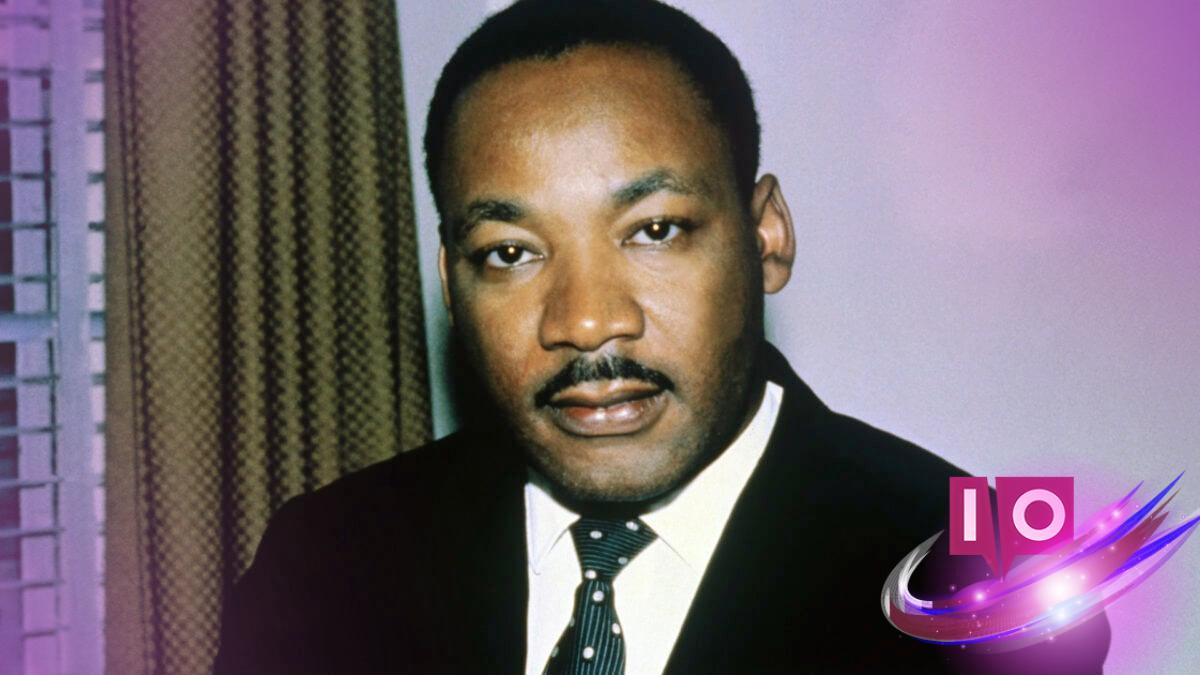
OpenAI has recently made a significant decision to halt the creation of AI-generated videos featuring late civil rights leader Martin Luther King Jr. The company announced this change following requests from the King Estate, emphasizing the need for respect in the portrayal of historical figures.
This action stems from reports of users creating “disrespectful depictions” of King using OpenAI’s AI video model, Sora. The company is committed to improving its guidelines to better manage how the likeness of such important figures is represented in AI-generated content.
Why OpenAI Made This Decision
In a joint statement, OpenAI acknowledged the balance between free speech and the dignity of historical figures. They stated, “While there are strong free speech interests in depicting historical figures, OpenAI believes public figures and their families should ultimately have control over how their likeness is used.” This underscores the importance of consent in the digital age.
Implications for Other Historical Figures
In light of this, OpenAI has opened the door for other estates of historical figures to request similar controls regarding their likenesses. This means that if you are the representative of a significant individual, you now have a say in how their image is utilized within the Sora platform.
What Is Sora and Its Intended Use?
Recently, OpenAI launched Sora 2, its most advanced AI video generation model, alongside a new platform that seems similar to TikTok. This application allows users to upload their own likeness, referred to as “cameos,” to create engaging AI-generated videos featuring themselves or popular characters. The goal is to enable creative expression while navigating the ethical concerns that arise with such technology.
Responses from the Community
However, the launch has not been without controversy. OpenAI CEO Sam Altman expressed a mix of excitement and caution about Sora’s launch on social media. “We are aware of how addictive a service like this could become, and we can imagine many ways it could be used for bullying,” he mentioned, highlighting the double-edged sword of innovation in social media.
Challenges arose quickly as users began to produce questionable content. Reports from The Washington Post noted instances of users creating inappropriate videos of celebrities such as Michael Jackson and Whitney Houston, blurring the lines between tribute and disrespect.
Family Concerns About AI Depictions
The response from the families of these individuals has been swift and pointed. Zelda Williams, daughter of actor Robin Williams, urged Instagram followers to cease sharing AI-generated videos of her father. Around the same time, Bernice King, Martin Luther King Jr.’s daughter, echoed her sentiments regarding her father, stating, “Please stop.” This raises critical questions about consent and the legacy of public figures in the digital landscape.
How Is OpenAI Adapting Its Policy?
OpenAI’s recent actions mirror a broader trend in the tech industry toward heightened respect for copyright and likeness rights. Rather than requiring copyright holders to opt out of having their content generated, the company is shifting to an “opt-in” model, allowing rightsholders more control over how their characters are portrayed.
This shift comes at a time when digital content creation is exploding, and ethical considerations are becoming ever more relevant. OpenAI’s proactive approach is a vital step toward creating a respectful and ethical framework for the use of AI-generated content.
How can creators navigate the balance between creativity and respect for historical figures? It’s essential to understand the implications of using AI for generating content about those who have passed. Maintaining reverence in our representations is not just ethical; it’s crucial for preserving the legacies of influential figures.
What steps can you take to ensure your use of AI respects individual rights? First, always seek permission when possible. Understanding the line between homage and exploitation can guide your creativity. Additionally, consider the impact of sharing and creating, as these actions can shape the narrative around such figures.
How does OpenAI’s policy shift affect the future of AI content creation? This move may set a precedent for other companies in the AI space, pushing for greater accountability and ethical standards. As more platforms adopt similar guidelines, we may see a shift toward a more respectful digital landscape.
Engagement with AI technology is evolving, but with that comes responsibility. OpenAI’s commitment to improving its practices could be a turning point for ethically-conscious content creation in the digital age.
Stay informed about the dynamic landscape of AI and its implications by exploring more insightful content at Moyens I/O. Together, we can navigate the future of technology ethically and thoughtfully.