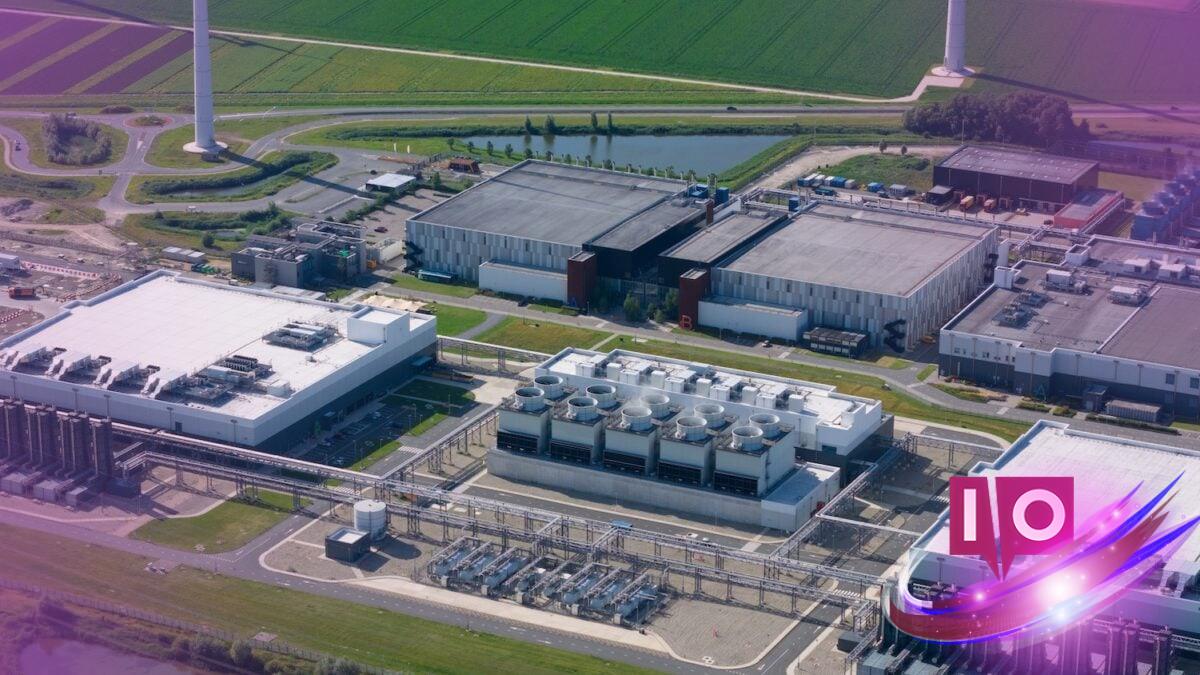
Data centers are becoming a significant force in our world, and if you’re in the U.S., there’s a good chance that plans for one are unfolding nearby. The ongoing AI boom drives this surge, as cloud infrastructure requires vast arrays of servers. Interestingly, Minnesota has emerged as a rare safe haven from the rapid expansion of these data hubs.
The Minnesota Star Tribune highlights a curious situation: despite high demand for data centers in the state, numerous projects have recently hit roadblocks. For instance, the real estate firm Oppidan paused work on two of its three data center initiatives due to concerns about Minnesota’s regulatory framework impacting business growth.
Understanding Minnesota’s Regulatory Landscape
What exactly does Minnesota’s regulatory climate entail? It seems that the issue lies within the regulations themselves. Recently, the Minnesota legislature passed new laws aimed at regulating energy and water consumption associated with data centers. These measures aim to protect utility customers from shouldering the costs of power supply for these facilities.
The Nationwide Data Center Surge
The construction of data centers is booming across the country, as companies rush to build essential AI infrastructure. However, this rush has not been without controversy, as many argue these centers are contributing to rising electricity bills. A recent NBC report indicated that in states with high concentrations of data centers, electric bills have increased significantly faster than the national average.
Challenges for Big Tech in Minnesota
In contrast to other regions, Minnesota has seen pushback against tech giants eager to streamline their operations. The Star Tribune notes that Big Tech firms, including Amazon, attempted to negotiate less stringent regulations for their projects. However, their efforts to avoid stringent permit requirements were ultimately unsuccessful.
Late last year, Amazon argued that its fleet of diesel generators should not require a permit from the Minnesota Public Utilities Commission (PUC). But after the PUC ruled in favor of regulatory oversight, Amazon, along with other industry players, struggled to influence legislation to ease backup generator regulations.
Are Data Centers Bringing Jobs?
Tech companies often tout data centers as job creators in rural communities where these facilities are built. However, a report from NPR suggests that while construction creates temporary positions, long-term employment opportunities are minimal. Journalist Stephen Bisaha noted that data centers typically only employ between 100-200 people, raising questions about whether the local communities benefit from the power demands that accompany these projects.
Moreover, the Wall Street Journal recently highlighted the “job-creation bust” within the data center sector. Chief Executive John Johnson of Patmos Hosting candidly remarked that data centers are notorious for having the lowest job creation rates per square foot.
Is the rapid growth of data centers sustainable?
As the demand for cloud computing and AI technologies escalates, it prompts a re-evaluation of sustainability within the data center industry. Many experts fear that the environmental toll may outweigh the benefits of rapid technological advancement.
How do data centers affect local resources?
Data centers are often critiqued for severely taxing local resources, particularly water. In areas already facing resource constraints, the amount of water these facilities consume can be alarming. This raises questions about community priorities and environmental responsibility.
What are the long-term impacts of data centers on electricity costs?
The influx of data centers correlates with an increase in energy consumption, which can lead to higher electricity costs for residents, particularly in regions where these centers cluster.
As data centers continue to shape the landscape of technology and local economies, the debate over their benefits and drawbacks will intensify. If you’re interested in learning more about the implications of this trend, consider exploring related articles or topics that discuss the intersection of technology, climate, and community.
For more insights and analysis, continue your journey with Moyens I/O.