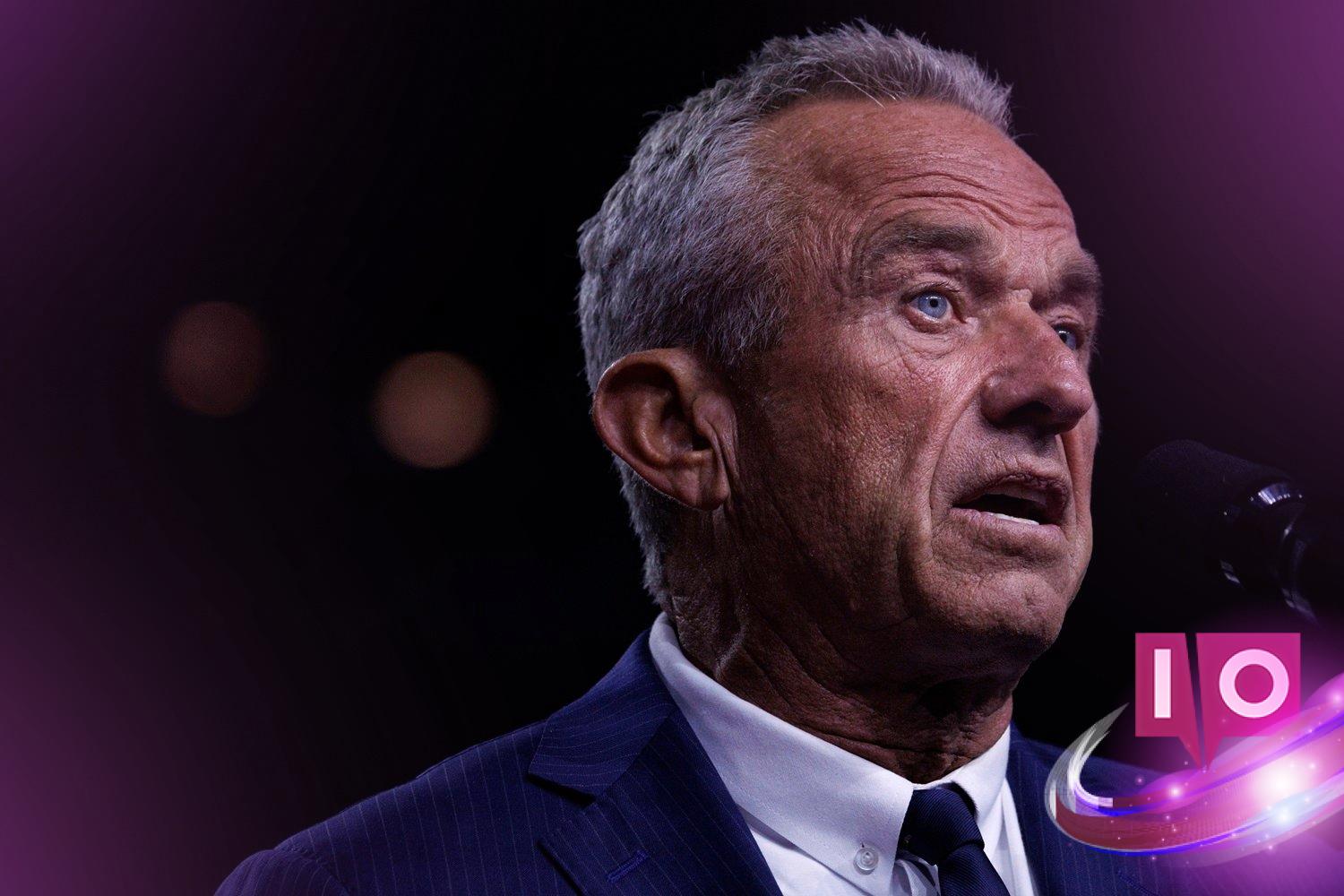
In recent developments concerning America’s healthcare system, Robert F. Kennedy Jr. has sparked discussions following significant layoffs among HHS workers and the dismissal of prominent vaccine experts. After creating uncertainty around popular medications like Tylenol, he is on the hunt for innovative solutions to improve healthcare, particularly through the integration of artificial intelligence (AI).
This search for solutions was formalized with the announcement of the Caregiving Artificial Intelligence Prize Competition, which aims to support the development of technological tools for caregivers. The U.S. Department of Health and Human Services (HHS) is committed to funding innovations that enhance efficiency and improve the experience for caregivers—those dedicated healthcare workers who assist elderly and disabled populations. The chosen winner will receive a substantial reward of $2 million, a testament to the competition’s significance.
Kennedy expressed in a statement, “America’s caregivers carry our nation’s most vulnerable on their shoulders, and they do it with a strength and devotion that rarely gets the recognition it deserves.” His vision for this competition aligns with the “Make America Healthy Again Strategy Report,” aimed at easing caregivers’ burdens and ensuring families receive necessary support.
How Can AI Transform Healthcare?
AI’s potential in healthcare is noteworthy, with applications already emerging in areas like early cancer detection. However, the specifics of HHS’s objectives remain somewhat ambiguous. The competition’s details highlight a goal to create solutions that empower caregivers and expand access to high-quality home care services. As reports emerge, further clarification on these ambitions is anticipated.
The Bigger Picture: Innovation Meets Personal Agenda
While the push for AI-driven solutions may appear progressive, it also intersects with Kennedy’s broader goals within the federal health system. Recently, it was reported that Calley Means, a key figure from Kennedy’s MAHA movement, was appointed as a senior advisor at HHS. His arrival marks a potential shift in the strategies being employed to tackle health concerns, particularly his vocal stance against processed foods and their impact on well-being.
What Else Has Kennedy Been up to?
This week, Kennedy attracted attention not only for his health initiatives but also for some personal headlines. Journalist Olivia Nuzzi faced backlash for her memoir, which included details of her “digital” relationship with Kennedy. Her unconventional approach while covering him as a political candidate has sparked discussions online, illustrating the complexities of modern journalism intersecting with political life.
As we witness these developments unfold, many wonder, “What is the future of AI in our healthcare system?” The answer remains to be seen, but the enthusiasm surrounding innovation suggests an evolving landscape.
How can caregivers benefit from technological advancements in healthcare? Advances in AI can help predict patient needs, streamline scheduling, and improve training for healthcare workers, ultimately leading to better support for caregivers and those they serve.
Are there any specific AI tools already making a difference in healthcare? Indeed, tools like AI-driven diagnostic systems are already assisting in identifying health conditions earlier, helping to save lives and improve patient outcomes.
What challenges do caregivers face that AI could address? Caregivers often struggle with workload management, emotional stress, and lack of resources, all of which AI could help mitigate by providing better workflow tools and support systems.
In summary, while we await the outcomes of the Caregiving Artificial Intelligence Prize Competition, the conversation around AI in healthcare continues to grow. The potential benefits are vast, and the need for innovation is urgent. If you want to stay informed on this evolving topic, remember to explore more at Moyens I/O.