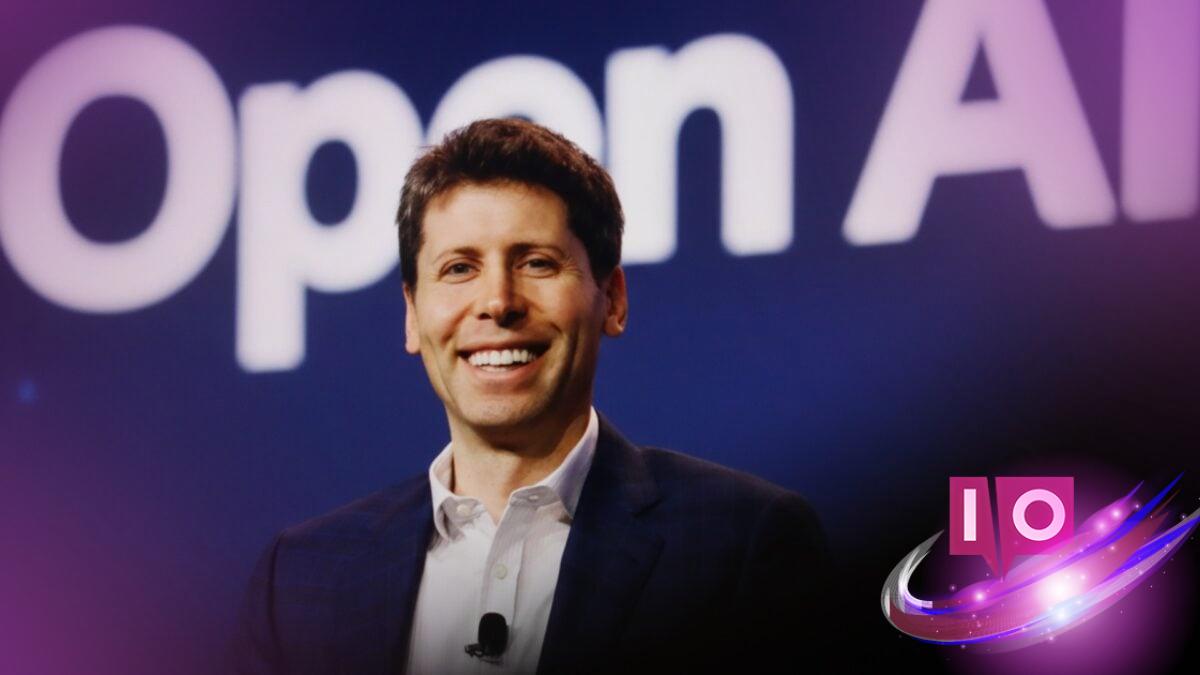
The ever-evolving role of AI in education has sparked considerable debate among educators nationwide. Many are worried that students might lean on technology like AI tools to glide through assignments without genuinely engaging in the learning process. In response, OpenAI has introduced ChatGPT for Teachers. This initiative aims to empower educators by allowing them to utilize similar AI technology to assess student-generated content. It’s a fascinating twist—teachers can now have their own chatbot evaluate the work of students’ chatbots, creating a somewhat balanced digital relationship.
OpenAI touts that ChatGPT for Teachers is tailored specifically for K-12 educators. This platform not only assists in preparing materials but also adheres to the Family Educational Rights and Privacy Act (FERPA) regulations. This ensures that teachers can safely handle student data within the platform. The suite of tools is available for free until June 2027, likely a strategy to gain educators’ trust and reliance before introducing any potential pricing models.
But what about higher education? OpenAI has a similar initiative, ChatGPT Edu, carving a niche for college institutions. Numerous universities across the nation are adopting this program, effectively weaving chatbots into the fabric of campus life, enhancing students’ learning experiences.
It’s clear that the educational landscape has transformed into a competitive arena for AI companies. They are eager to embed their products into schools, eyeing the vast amounts of unique data these institutions can provide for training their models. With generous offers, such as Elon Musk’s xAI providing free access to its chatbot Grok during exams and Google offering Gemini AI for free until the next academic year, the race to capture the educational market is heating up.
However, the fundamental question remains—are these advancements genuinely benefiting students and educators, or merely enriching the companies behind them? Engagement levels among students are already concerning, particularly in foundational subjects like math. A recent Pew Research report highlighted a significant decline in math proficiency, leading institutions like UC San Diego to establish remedial courses for incoming students struggling with basic math skills. This shift raises concerns about students potentially using AI to complete assignments without truly learning the material.
There is an increasing body of evidence suggesting that over-reliance on AI tools can weaken critical thinking abilities. Research indicates that users may tend to “offload” intricate cognitive tasks onto AI when available, which could degrade their capacity to perform such tasks independently—especially troubling in an educational environment. What consequences could arise from equipping both students and educators with such tools? Only time will reveal the full impact.
What is ChatGPT for Teachers, and how can it help in the classroom?
ChatGPT for Teachers is a tool designed to assist educators in lesson preparation and provide insights into student work while adhering to stricter privacy regulations, ultimately enhancing the teaching process.
Can AI tools improve student engagement in learning?
While AI tools aim to enhance engagement, there are concerns that they may encourage a passive learning approach. Without direct involvement, students risk missing critical learning opportunities.
What are the potential downsides of using AI in education?
Over-reliance on AI may lessen students’ critical thinking skills and problem-solving abilities. The ease of access to AI tools could create shortcuts that undermine actual learning.
Are universities successfully integrating AI tools like ChatGPT into their programs?
Yes, many colleges are currently adopting AI tools into their curricula, with positive outcomes reported in enhancing student engagement and collaboration.
Is there a future for AI in K-12 education?
Yes, the future of AI in K-12 education looks promising as tools like ChatGPT for Teachers gain traction. However, it’s crucial to monitor their impact on learning outcomes.
In summary, the integration of AI technologies in education presents both opportunities and challenges. As educators and institutions navigate this evolving landscape, the objective should remain clear: fostering an environment where technology enriches learning rather than replacing the need for critical thinking and engagement. For more insights and discussions on education and technology, consider exploring related topics on Moyens I/O.