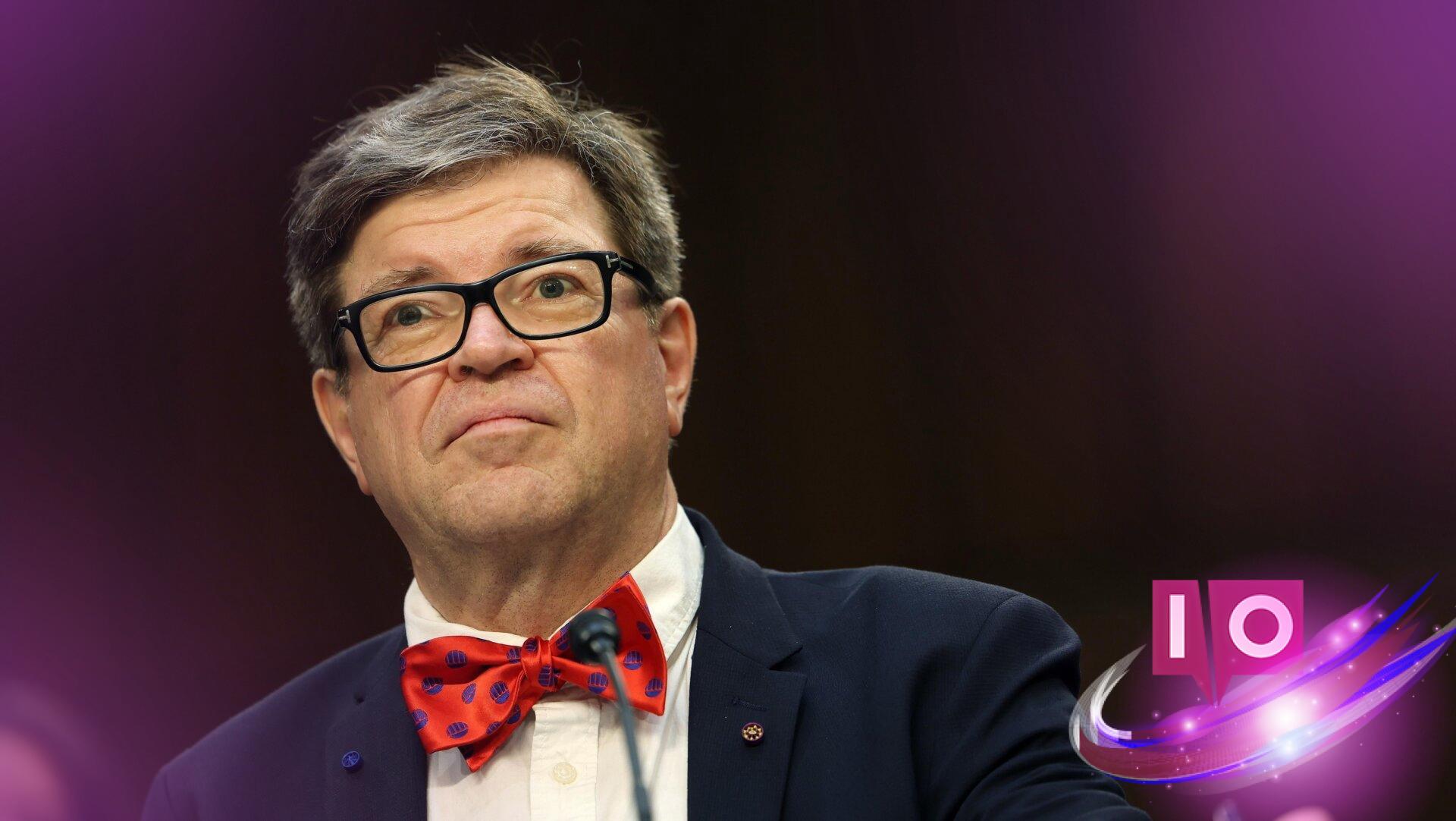
Yann LeCun, a prominent figure in the AI landscape, is making headlines as he departs Meta and embarks on an exciting solo venture. A memo reportedly shared with Bloomberg indicates that his goal is to pioneer a new era in AI, creating systems capable of understanding the physical world, maintaining persistent memory, reasoning, and planning complex actions.
This evolution comes amid internal changes at Meta, where LeCun faced challenges with other teams within the company. A recent shift resulted in the establishment of a new AI research division aimed at generative AI, nudging LeCun into the background as Meta spotlighted its latest high-profile recruits, including ChatGPT co-creator Shengjia Zhao.
What Motivates LeCun’s Exit from Meta?
Sources indicate that LeCun’s vision of “world models” diverged significantly from other AI directions within Meta. While many focus on large language models (LLMs) like ChatGPT, LeCun feels the field has stagnated, deeming it inadequate for developing advanced AI capabilities, often referred to as AGI (Artificial General Intelligence).
Born in France, LeCun is one of the “godfathers of AI,” sharing the prestigious Turing Award in 2019 with Geoffrey Hinton and Yoshua Bengio for their work in deep learning. Despite his accolades, he has faced criticism, particularly from cognitive scientist Gary Marcus, who has publicly challenged LeCun’s perspectives over the years.
LeCun’s Philosophies on AI
Since joining Meta (then Facebook) in 2013, LeCun’s skepticism about the AI safety narrative grew, especially following the rise of ChatGPT. He once stated that concerns about AI posing threats to humanity are “complete B.S.” Rather than aligning with conventional trends in AI, he aims to explore capabilities that allow models to truly interact with and comprehend the physical world.
Innovations in AI Research
LeCun’s recent work at Meta’s Fundamental AI Research (FAIR) department focuses on advancing beyond LLMs. He believes it is crucial for AI models to gain insights from sensory inputs, like vision, to enhance their understanding of the world.
You might wonder, how is this revolutionary work already taking shape? The V-JEPA-2 model exemplifies LeCun’s approach. Rather than relying on textual data, this model learns from videos of real-world interactions, aiming to understand cause-effect relationships.
What Are the Future Plans for LeCun’s Startup?
According to Bloomberg, Meta plans to continue its relationship with LeCun’s startup, which will allow for shared access to innovations. While the specifics of this partnership remain under wraps, it exemplifies how interconnected tech companies often are, particularly as AI evolves rapidly.
How Will LeCun’s Work Impact Various Industries?
LeCun envisions that his new technology will have broad applications across multiple sectors. His approach may align with Meta’s interests, yet it also explores new territories, inherently indicative of his commitment to advancing AI without constraints.
In his memo, LeCun expressed a preference for the term “Advanced Machine Intelligence” (AMI), emphasizing the significance of developing these capabilities within an independent entity to maximize its societal impact. The ambiguity surrounding the term invites speculation about both the technology’s potential and its future implications.
What does this mean for the future of AI? LeCun’s departure from Meta and the emergence of his new startup signify not just a personal career shift but a critical juncture for AI research and development principles. Emphasizing real-world applications over theoretical advancements may just pave the way for more sophisticated and capable AI systems.
Curious about the implications of AI on technology and society? Explore more on Moyens I/O and stay updated on the latest developments.