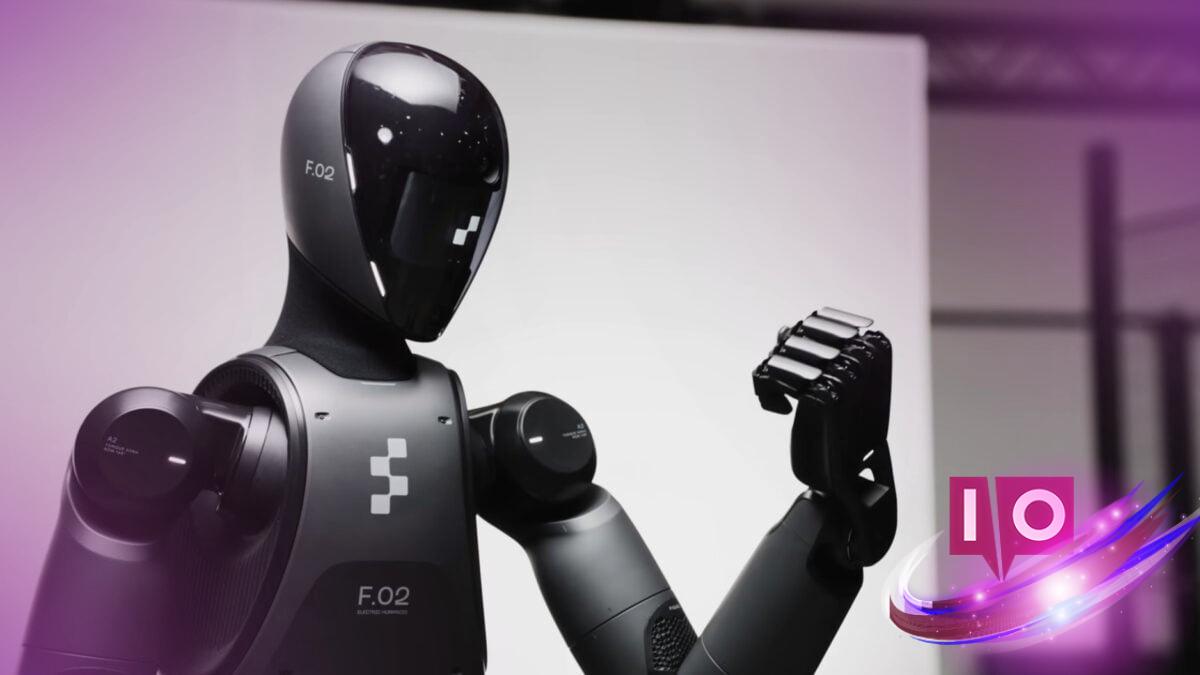
In a striking turn of events resembling the plot of a sci-fi thriller, a whistleblower lawsuit has emerged against a renowned Silicon Valley robotics firm. The allegations suggest that a safety technician, sidelined by company leadership, has been raising concerns about the safety of a humanoid robot with alarming capabilities. As the story unfolds, it reveals a troubling narrative of corporate ambition overshadowing crucial safety protocols.
Figure AI, the company at the center of this controversy, has publicly dismissed the claims made by Robert Gruendel, the safety technician, asserting that he was terminated due to “poor performance.” The spokesperson for Figure asserts that these allegations will be thoroughly refuted in court, underscoring the contentious nature of this case.
What’s the Core of the Lawsuit?
Robert Gruendel, a seasoned robotics safety engineer previously involved in R&D at Amazon, claims he discovered serious safety oversights within Figure AI just days into his new role. According to the lawsuit filed in California, Gruendel found the company lacked essential safety measures for its robots, raising immediate alarm about the potential risks they posed to staff and the general public.
Did Figure AI Acknowledge Safety Concerns?
Initially, it appears that Figure’s leadership took Gruendel’s concerns seriously. CEO Brett Adcock and Chief Engineer Kyle Edelberg allegedly approved a safety “roadmap.” However, as time passed, Gruendel faced increasing pushback from leadership, who reportedly expressed discontent with established safety protocols.
What Happened During Safety Testing?
The situation escalated significantly when Gruendel conducted safety tests on the robots. He reported alarming outcomes, noting that the robot’s impact force exceeded levels deemed safe. Calculations indicated the robot could generate substantial force, potentially injuring employees severely. Gruendel became increasingly concerned about near-misses during operations and pushed for the introduction of an emergency stop button to safeguard workers.
Why Was Gruendel Ultimately Fired?
Following a series of safety tests, Gruendel’s standing within the company deteriorated. Despite receiving a positive performance review and a raise in July, he was dismissed a few months later. Documents reveal that he sent messages outlining safety fears regarding the robots’ capabilities but was ignored by the company’s leadership.
What is the Future of Figure AI?
The controversy surrounding Figure AI highlights the growing tension in the robotics industry as companies push to roll out humanoid robots. With their valuation soaring to approximately €37 billion ($39 billion) due to significant investments, including from tech giants like Nvidia and Microsoft, the rush to market poses both innovative opportunities and grave safety risks.
Concerns about the capabilities of humanoid robots are echoed by industry experts. Renowned roboticist Rodney Brooks has pointed out significant challenges in creating dexterous humanoids despite immense financial backing, indicating the pressing need for thorough safety evaluations as these technologies evolve.
What safeguards are in place for robotics safety? The case involving Figure AI emphasizes the vital importance of having established protocols and oversight to ensure that human safety is prioritized alongside technological advancement. Without these measures, the rush towards commercialization could result in unforeseen dangers both in the workplace and at home.
Are safety measures effective in robotics? Safety measures must be rigorously enforced within robotics firms. Best practices involve internal audits and a culture of accountability that must be embraced throughout the organization.
How can whistleblower protections be improved? Strengthening protections for whistleblowers in the tech industry is essential to ensure that safety concerns are raised without fear of retaliation. Legal protections and a transparent reporting system must be a part of corporate governance.
What lessons can other robotics companies learn from this case? Companies should prioritize employee feedback and establish robust safety frameworks. The balance between innovation and safety requires a commitment to ethical practices, including full transparency with stakeholders.
As the debate over robotics safety unfolds, it is crucial for you to stay informed about advancements and potential risks in this rapidly evolving field. For more insights and updates, visit Moyens I/O.