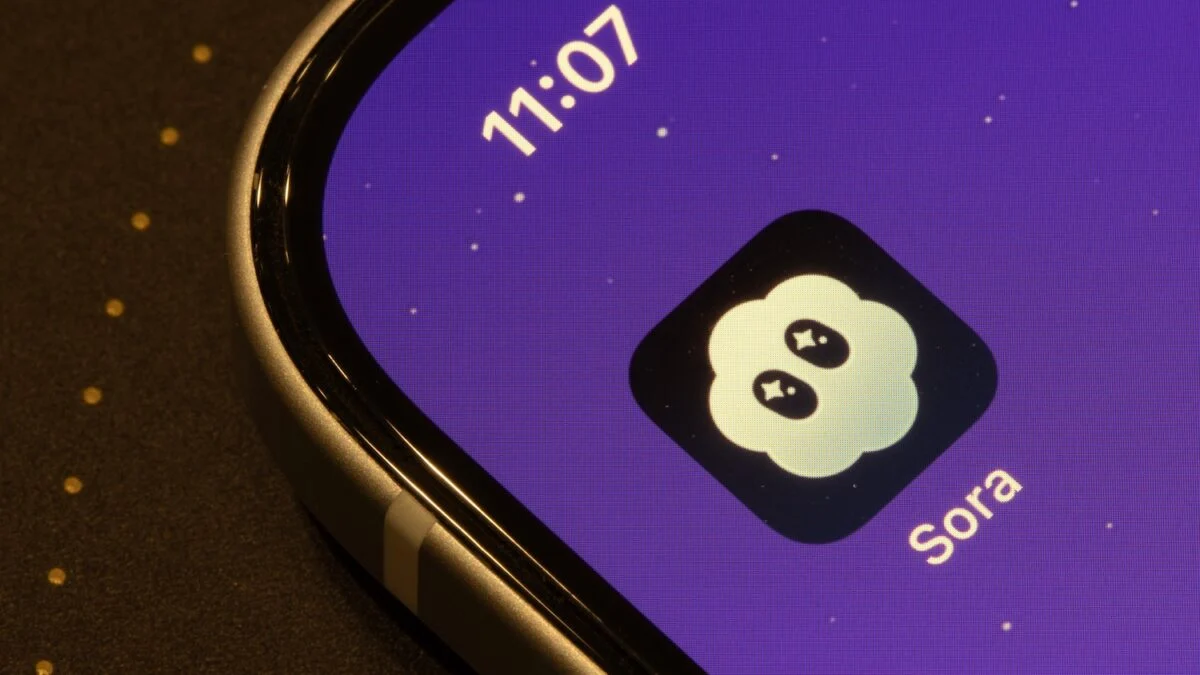
The recent legal developments surrounding OpenAI and the use of the term “cameo” in its Sora app have captured significant attention. Following a temporary restraining order issued by Judge Eumi K. Lee in the Northern District of California, OpenAI is no longer allowed to use this term, stemming from a trademark lawsuit initiated by Cameo, a popular celebrity video-selling platform. With the judge’s order set to expire on December 22, the implications for both platforms are noteworthy.
OpenAI launched Sora, a social-media-inspired app, alongside its video generation model, Sora 2, on September 30. The controversy primarily revolves around the app’s Cameo feature, which allows users to generate video content featuring likenesses they upload. By prompting Sora for a Cameo, users can receive videos featuring celebrities or friends, creating a unique and personalized experience.
In contrast, Cameo refers to pre-recorded videos that users purchase from celebrities. When a request for a Cameo is fulfilled, the notification received states, “Your Cameo from [celebrity] is ready.” This clear distinction has influenced Cameo’s claim that OpenAI’s usage of the term causes confusion about their brand identity.
OpenAI maintains its position, stating: “We disagree with the complaint’s assertion that anyone can claim exclusive ownership over the word ‘cameo’, and we look forward to continuing to make our case to the court.” Interestingly, not every Sora video is categorized as a Cameo. For example, users can generate likenesses of deceased celebrities like Michael Jackson without labeling them as official Cameo content, whereas living celebrities like Bryan Cranston require others means of prompting, such as using his fictional character, Walter White.
Cameo has expressed concerns, arguing that OpenAI’s actions display “blatant disregard for the obvious confusion it would create.” They also highlight that celebrities like Mark Cuban and Jake Paul are available on both platforms, which they believe amplifies this confusion.
While “cameo” is a common term independent of any brand, OpenAI capitalizes it when referring to its Sora feature, further complicating matters. Recently, the library app OverDrive also filed a lawsuit against OpenAI over a separate trademark issue, claiming the app icon used in Sora is too similar to its own.
These developments raise several questions. What happens next in the ongoing legal dispute between OpenAI and Cameo? The resolution of this case could significantly affect how digital platforms use established terms. Are all forms of likeness rights being adequately respected? Additionally, how will OpenAI adapt its offerings if the ruling does not go in its favor? As these questions linger, many are left wondering about the future of Sora.
What is OpenAI’s stance on the trademark dispute? OpenAI asserts that it believes no exclusive rights should be claimed over the term “cameo” alone, signaling its intention to challenge the lawsuit actively in court.
Are there limitations on the types of videos users can create with Sora? Yes, while many videos can be generated through Sora, certain limitations apply, especially concerning living individuals who may require explicit consent or separate permission to be featured.
How does the legal action affect users of the Sora app? While the immediate effect is the cessation of using “Cameo,” users may still create a variety of other videos using Sora’s different features, although the app’s reputation may be impacted during the legal proceedings.
In conclusion, the ongoing trademark dispute between OpenAI and Cameo presents intriguing implications for both the Sora app and the wider realm of intellectual property in the digital age. Stay connected with the latest developments and explore how these shifts may impact the evolving landscape of online content creation. For more insights and updates, visit Moyens I/O.