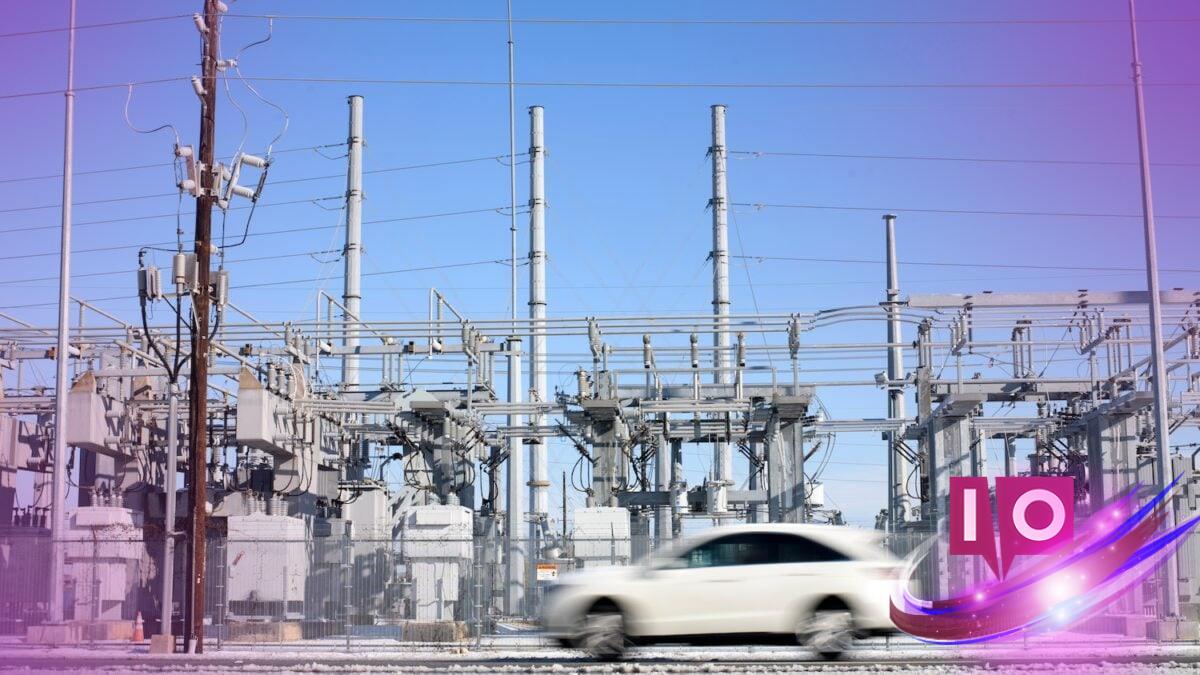
The data center industry is experiencing remarkable growth, fueled by a surging demand for cloud services arising from advancements in artificial intelligence (AI). Texas is leading the charge, with over 400 data centers, making it the state with the second-highest concentration of server farms in the U.S. After Virginia, no other region rivals its scale. However, this rapid expansion could pose significant risks, especially during winter storms, potentially leading to blackouts that could threaten lives.
According to a recent report from the North American Electric Reliability Corporation (NERC), the growing data center sector is placing additional strain on the electrical grid. NERC, a non-profit organization dedicated to monitoring grid reliability, emphasizes the urgent challenges arising from this increased load.
Understanding the Demand Surge
NERC’s findings reveal that the “load growth from new data centers and other large industrial users is driving higher electricity demand during winter months.” In colder periods, a substantial portion of the American population—estimated at 42%—heats their homes with electricity, leading to higher consumption as temperatures drop. This surge in demand could cause the electrical grid to be pushed beyond its capacity, resulting in outages.
For the upcoming winter season, Texas RE-ERCOT is expected to face persistent reserve shortages during peak load hours, particularly under extreme conditions associated with freezing temperatures. Increased outages of thermal resources and diminished output from renewable energy sources exacerbate supply shortage risks.
The Future of Data Centers in Texas
Despite the existing data centers, numerous projects are in the pipeline to further expand Texas’s digital infrastructure. However, there are concerns about whether all these proposed projects will see the light of day. This surge in proposed projects is reflected in NBC’s reports, which highlight a notable rise in requests for grid connections over the past year.
If fully realized, these projects would demand power equivalent to what nearly 154 million homes use annually. Considering Texas has a population of about 30 million, these figures seem daunting. Skeptics like Beth Garza, a former ERCOT watchdog, express concerns over the feasibility, labeling the projected numbers as “crazy big.” Furthermore, over half of the proposed projects have yet to submit detailed planning studies to ERCOT.
What Are the Implications of This Demand?
The rapid escalation of data centers and their energy demands comes with unforeseen consequences. As we embrace the AI revolution, disruptions to electrical grids may become an inevitable trade-off for our technological advancements.
What can you do to prepare for potential winter blackouts this year? Understanding the risks and strategies to mitigate these impacts is essential for everyone—both businesses depending on data center services and individuals relying on consistent power for heating.
How do data centers impact electricity supply during winter? The surge in energy demand from data centers and residential heating constrains supply, leading to increased risks of outages when temperatures drop.
Are there alternatives to mitigate the risk of blackouts? Investing in renewable energy sources and enhancing grid infrastructure can help manage increased energy demands while ensuring more reliable electricity supply.
What role does ERCOT play in managing Texas’s energy needs? ERCOT oversees the electrical grid in Texas, ensuring that supply meets demand. Its insights are crucial for addressing the challenges posed by data centers.
In conclusion, the intersection of AI and data center growth is reshaping our energy landscape in Texas and beyond. As we navigate these changes, it’s vital to stay informed and proactive. For more industry insights and updates, consider exploring related content at Moyens I/O.