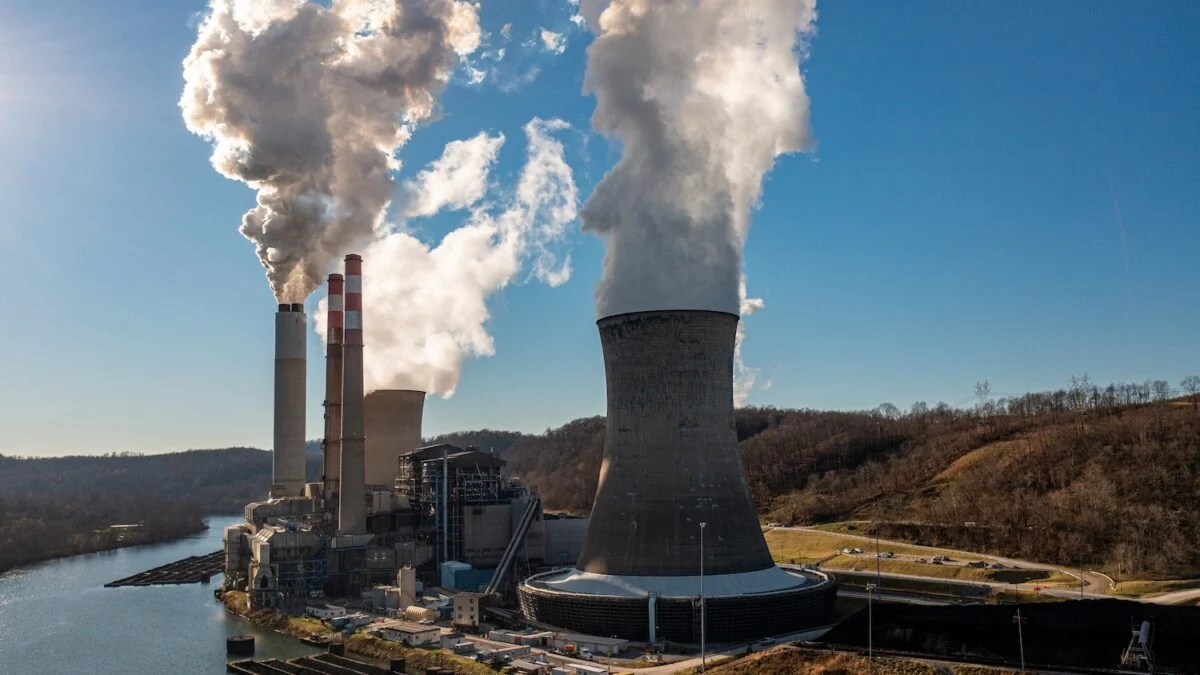
As we dream of a futuristic AI era, it’s crucial to realize that our current energy solutions are heavily influenced by traditional sources. Coal, a significant energy contributor, poses environmental challenges, including damaging effects on both climate and local ecosystems.
Recent findings in a Politico report, backed by the Frontier Group, reveal that utilities are postponing the retirement of 30 coal-burning units to meet the energy needs of expanding data centers.
Why Is Coal Making a Comeback?
Lee Zeldin, the EPA Administrator, emphasized in a Fox News op-ed that the demand from AI data centers is driving coal-powered plants to remain in operation. This marks a notable shift from the trajectory set during the Obama administration, when many coal units were expected to close.
From 2010 to early 2019, over 546 coal-generating units were earmarked for shutdown. This represents a staggering capacity reduction of 102 gigawatts, comparable to powering New York City ten times over.
Market Conditions Favoring Coal
Surprisingly, coal’s decline appeared to stem more from market dynamics than environmental regulations. As pointed out by Grist in 2012, the energy industry’s shifting conditions often dictated coal’s fate rather than strict regulatory measures.
Now, those same market forces seem to be favoring coal once again, with serious implications for air quality and public health.
A National Institutes of Health report identifies alarming statistics: between 1999 and 2020, roughly 460,000 deaths could have been avoided without emissions from coal power plants.
Political Influence on Energy Policies
During his presidency, Obama implemented limits on emissions targeting coal, which the first Trump administration sought to reverse in 2017. By 2019, Trump’s efforts substantially weakened regulations, allowing nearly 70 power plants to disregard upcoming EPA mercury and soot limits.
As noted by Gizmodo, Trump’s rhetoric around “clean coal” contrasts starkly with the rollback of critical workplace protections for miners. Unions have responded, suing the administration for halting essential silica dust regulations that could save over a thousand lives.
How Does AI Impact Energy Consumption?
What kind of energy does AI consume? AI technologies, particularly data centers, require vast amounts of energy, often leading utilities to rely on traditional energy sources like coal.
Given this trend, it begs the question: is the coal industry’s revival merely a byproduct of AI demand? While Trump may claim credit for rejuvenating coal, the market conditions and regulatory environment play significant roles.
What environmental concerns are associated with coal power? Coal power plants are notorious for causing air pollution and health issues, contributing to hundreds of thousands of premature deaths linked to emissions.
Is there a safe alternative to coal for energy generation? While renewable sources like wind and solar are gaining traction, the transition poses challenges. Still, increasing investments in these technologies can pave the way for a cleaner energy future.
In conclusion, as we advance toward an era dominated by AI, the reliance on fossil fuels like coal raises significant environmental and public health concerns. Exploring sustainable energy options is more important than ever. For insights on technology and energy alternatives, dive deeper into Moyens I/O.