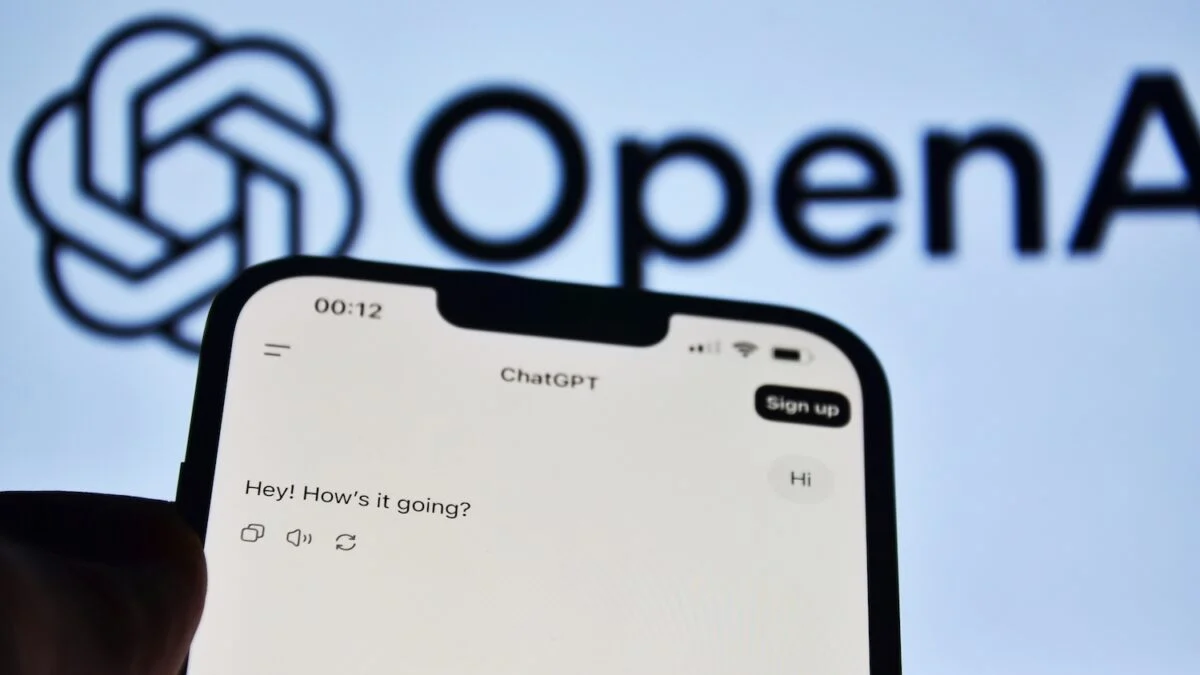
ChatGPT has created quite a buzz lately, especially with reports hinting at the possibility of ads. However, let’s clear the air: it hasn’t officially rolled out ads yet—not for Target or any other brands. Occasionally, you might come across graphical links suggesting you check out Target, which might feel very ad-like. Notably, Target has announced plans to integrate its online store with ChatGPT, raising further intrigue around this topic.
As someone who has closely monitored developments in AI and digital marketing, it’s evident that OpenAI, the company behind ChatGPT, is under some pressure. After Business Insider reported on a company-wide “red alert” to boost ChatGPT amid declining performance metrics, it became clear that OpenAI’s competition with Google is a considerable concern. OpenAI is now focused on regaining user trust before pursuing any ad rollout—a strategic move but perhaps too late to quell the rising discontent.
Take, for instance, a recent tweet from Benjamin De Kraker, a ChatGPT Plus subscriber. He expressed his frustration after asking about Windows BitLocker and receiving links to shop at Target instead. His tweet resonated with many, leading some to declare, “The death of ChatGPT.” Users voiced their displeasure, some showing irritation while others remained skeptical about the intent behind such links. In a response, OpenAI’s data head clarified that these were not ads but rather app integrations aiming to enhance user experience.
In light of these developments, it’s crucial to understand the implications of ads in AI. Will they genuinely improve user experience? Deepa Jatkar from a prominent ad agency noted that their goal is to create an experience that connects with people’s feelings and needs. However, Mark Chen, OpenAI’s chief research officer, acknowledged the importance of carefully managing anything resembling ads, emphasizing their commitment to valuing trust in the platform.
While marketers might tout ads as a way to enhance user engagement, most of us know that the reality often doesn’t align with those claims. On that note, the ChatGPT team is keenly aware of user sensitivities around this issue. Just when concerns were voiced, OpenAI confirmed they would not implement ads in the current context, focusing instead on enhancing user engagement through organic app integrations.
So, where does that leave us? The introduction of app connections in ChatGPT has elicited mixed reactions. Users perceive these as intrusive and ad-like, which is not what OpenAI aims to achieve. Historically, tech companies strive to create a clear distinction when introducing monetization strategies; thus, any eventual ad announcement will likely be met with fanfare, given the importance of revenue generation.
The conversation around ads in AI is evolving, and while OpenAI has abstained from rolling out ads as of now, it’s imperative for them to address user concerns swiftly. They are focusing on improving the user experience under a cloud of skepticism, and that can only be a good thing for those of us who value our digital interactions.
People often wonder: Will ChatGPT ever have advertisements? It’s uncertain, but as of now, OpenAI is steering clear of ad features that might upset users. How is OpenAI managing its ad strategy? They are moving cautiously and prioritizing user experience above all. Can AI advertisements enhance user experience effectively? That still remains to be seen as the industry continues to navigate these waters.
If you’re curious about the future of AI and its intersection with advertising, there’s plenty to explore. Check out Moyens I/O for more insights and updates on this developing story.