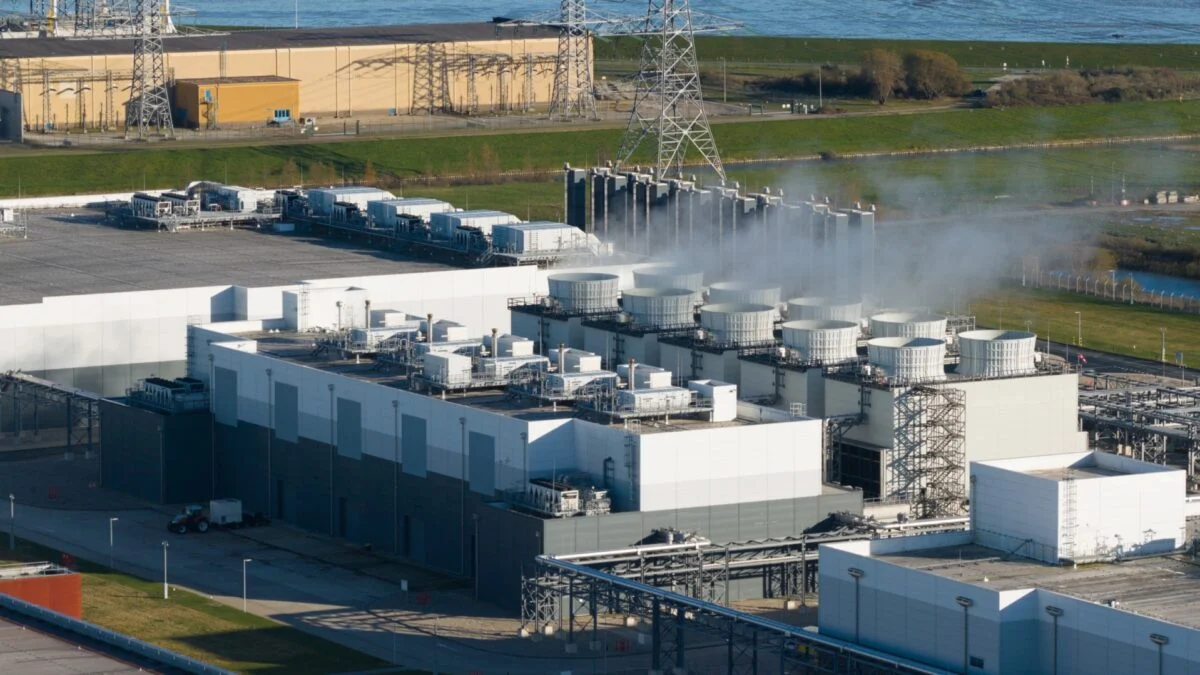
As our world becomes increasingly reliant on technology, the growing demand for energy-intensive data centers is raising significant concerns. Recently, over 250 environmental organizations, including prominent groups like Greenpeace USA and Friends of the Earth US, urged Congress to halt the construction of new data centers amid alarming environmental implications.
This urgent call was articulated in a letter addressed to Congress, stating, “The rapid, largely unregulated rise of data centers to fuel the AI and crypto frenzy is disrupting communities and threatening Americans’ economic, environmental, climate, and water security.” Organizations like Food & Water Watch emphasize that immediate action is essential to protect our communities and environment.
1. The Surge in Data Center Construction
The surge in data center infrastructure stems from an insatiable appetite for data, primarily fueled by artificial intelligence (AI) and cryptocurrency. While these investments are substantial—supporting a burgeoning economy—there’s growing apprehension about a potential downturn, especially if an AI bubble bursts.
2. Economic Impact: Short-Term Gains vs. Long-Term Consequences
Although small-town governments often welcome data centers for the immediate economic boost they provide, they come with significant long-term challenges. These centers have massive energy demands that jeopardize local resources.
3. The Environmental Toll
Residents near data centers have already reported water shortages and excessive electricity bills, with a recent Bloomberg report revealing a staggering 267% increase in electricity costs over the past five years. This escalation raises alarms about the sustainability and long-term impact of such facilities.
4. Energy and Water Consumption Predicament
If current trends continue, a tripling of these facilities in the next five years could lead to them consuming as much water as 18.5 million households and as much electricity as roughly 30 million households. The potential pressure on local power grids could even spark blackouts, especially in states like Texas, which has experienced deadly power shortages in the past.
5. Local Governments Taking Action
In response to these growing concerns, some state governments are stepping up. Minnesota, for example, has enacted laws to regulate energy and water usage in the data center sector. Last month’s elections saw success for candidates advocating against the unchecked expansion of data centers, demonstrating that public sentiment is shifting.
6. The Job Market Dilemma
While data center projects might create numerous temporary construction jobs, the reality is that they often require significantly fewer permanent positions once operational. The overall job market implications deserve careful consideration amidst the rush for technological advancement.
What are the environmental effects of data centers on local communities? Data centers can lead to increased electricity costs, water shortages, and strain local resources, impacting quality of life.
How have state governments responded to the rise of data centers? States like Minnesota are implementing regulations to curb the energy and water consumption linked to data centers, reflecting a push for responsible growth.
Are data centers beneficial for the economy? While data centers can initially boost local economies, the long-term effects, including environmental strain and limited job creation, might outweigh these benefits.
Amidst the call for a national moratorium, it’s clear that the growth of data centers demands more thoughtful regulation and oversight to ensure community welfare. If you want to explore more about this evolving issue, visit Moyens I/O for further insights.