Are you feeling the tension as Sam Altman, CEO of OpenAI, recently faced tough questions about funding their ambitious projects? With competitors like Google Gemini entering the scene, OpenAI is clearly in a pivotal moment. A watchful eye is needed here, as shifts in user interest could spell significant changes for the future of AI technologies.
OpenAI has been dominating the landscape since it launched its LLM chatbot, but recent reports indicate that this lead may be slipping. Sensor Tower data highlighted a shrinking 3% market share for ChatGPT in recent months, coinciding with rising popularity for Google Gemini. Amid these concerns, Altman even declared a “code red” internally, indicating the urgency of the situation.
Adapting to User Sentiment
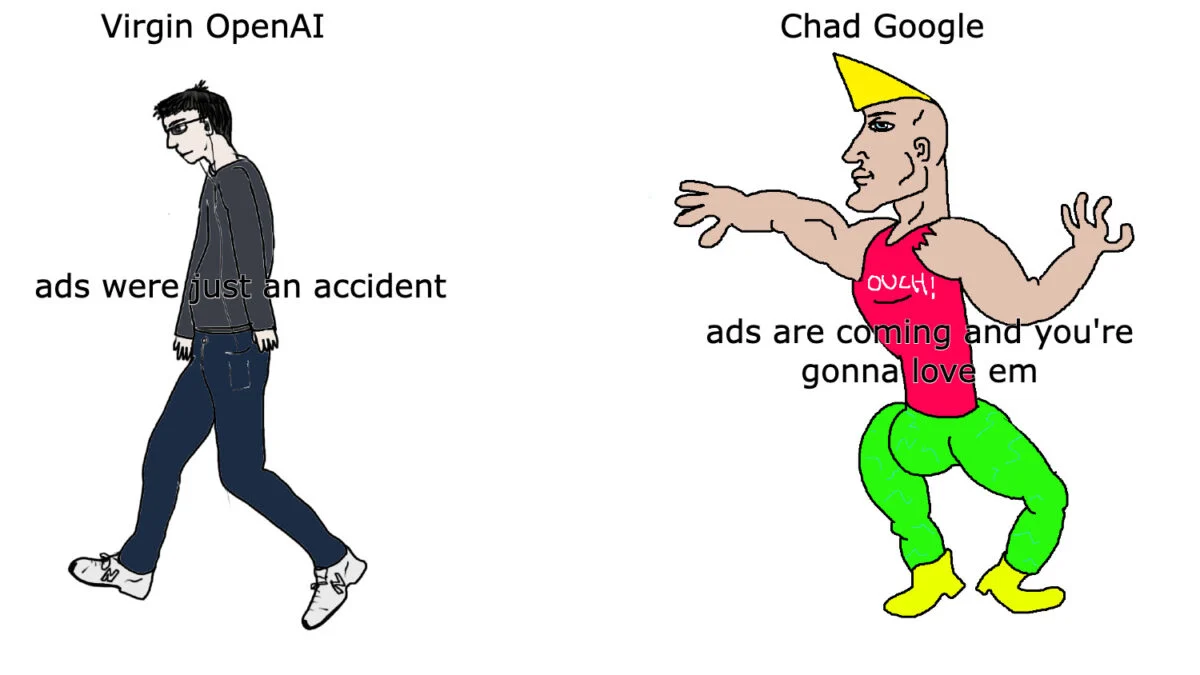
In a surprising move, OpenAI recently curtailed promotional messages within ChatGPT, which users found overly promotional. These recommendations often seemed more like unsolicited ads, causing quite the backlash. The company quickly responded by removing the feature, aiming to prioritize user experience over insignificant marketing strategies.
Rebuilding Confidence with Data
To combat dwindling engagement, OpenAI published findings showing that users reportedly save 40-60 minutes on work tasks daily thanks to AI tools. This claim, backed by a survey of about 9,000 employees across various companies, aims to underscore the positive impact of their chatbot in enterprise settings. Additionally, ChatGPT Enterprise experienced an eightfold increase in weekly messages, suggesting that while some users may drift away, many still value the service.
A Turnaround on the Horizon
So, what’s next for OpenAI? The imminent launch of GPT-5.2 promises to offer an edge over competitors like Google Gemini. Internal tests reportedly show this new model outperforming Gemini 3. Furthermore, Altman is set to appear on “The Tonight Show” with Jimmy Fallon to promote this next iteration, blending casual entertainment with a serious focus on technological advancement.
The Stakes for OpenAI
With such volatility in the AI market, OpenAI must act decisively to reassure investors. If it fails to establish ChatGPT as the go-to AI tool, growing concerns from stakeholders could lead to significant questions regarding the company’s future. It’s a make-or-break moment as they navigate this competitive landscape.
What can we expect from this rapid evolution? With the dynamic nature of AI technology, ongoing updates and improvements will be crucial. Staying informed on these developments will not only benefit consumers but also allow businesses to leverage the most effective tools available in the market.
What are the potential implications of OpenAI’s competition with Google Gemini?
The rise of Google Gemini means that OpenAI must innovate faster and maintain user loyalty, or they risk losing their foothold in the market.
How do users perceive the features of OpenAI’s ChatGPT compared to competitors?
User feedback indicates a mixed response; while many appreciate the utility, there are growing concerns about advertising and relevancy in interactions.
What kind of data supports the effectiveness of AI chatbots in the workplace?
A recent survey revealed that users save substantial time daily by utilizing AI tools, affirming their value in enhancing productivity within enterprises.
Ultimately, as the landscape continues to shift, it’s essential to keep your finger on the pulse of these developments. For more insights and updates, be sure to explore related content on Moyens I/O, where our team is committed to delivering the latest in tech and AI advancements.