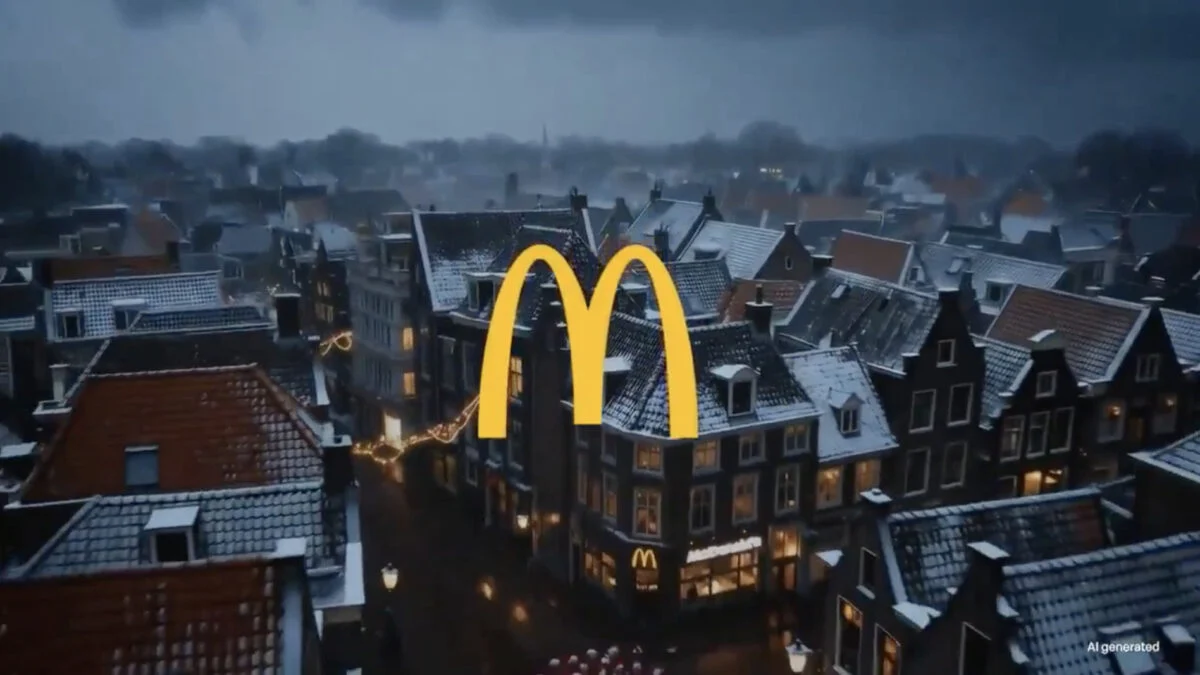
In a world where holiday advertising often brings joy and cheer, it’s troubling to witness a major corporation plunging its reputation into the depths with a darkly comedic ad. This year, McDonald’s chose to greet the festive season with an AI-generated commercial that has stirred widespread criticism.
As a longtime observer of marketing trends, I’ve seen how brands navigate the complexities of holiday advertising. However, McDonald’s recent approach has raised eyebrows and left audiences questioning their judgment.
What’s McDonald’s New Ad About?
The ad portrays the holiday season as unpleasant, echoing the sentiment that it can indeed feel overwhelming. Many viewers found it challenging to endure, as it misses the mark on the warmth usually associated with this time of year.
Why Is Everyone Talking About This Ad?
Critics from all walks of life have voiced their disdain. Take Matt Walsh, for example. Though he and I might not agree on many issues, he captured a key point: portraying Christmas as the “most terrible time of the year” isn’t just a marketing misstep; it’s a fundamental issue with the ad’s message.
I don’t care if it wasn’t AI. Making your ad all about calling Christmas the most terrible time of the year is a bigger problem. Gfy @McDonalds
— FreshOutOfPatience (@noname131252) December 10, 2025
Commissioned by TBWA\NEBOKO, this ad was reportedly crafted for the Dutch market, but its impact transcends borders. While the official video was taken private, full discussions of the ad are still buzzing online.
What Went Wrong With the Ad?
For one, the jingle—supposedly a parody of the beloved holiday song “It’s The Most Wonderful Time of the Year”—fails to resonate. Instead of uplifting the spirit, it stumbles along, producing a confusing mismatch of melody and tone that detracts from the original’s joyous essence.
Most scenes in the montage lack relatable holiday experiences. Do we really find joy in imagining a Christmas feast haunted by a fire? Who relates to chaotic shopping scenes that feel more like a bizarre fever dream than genuine holiday strife? Even the cat causing mischief lacks the comedic charm we expect during this festive season.
Is AI to Blame for the Unpleasantness?
Critics are not upset simply due to the use of AI; they are reacting to a poorly crafted commercial. The studio behind the ad, The Sweetshop, expressed their commitment, highlighting weeks of effort and collaboration. However, many feel that even the best technology can’t replicate the human touch needed in storytelling.
Could This Ad Have Succeeded?
Absolutely, if it had embraced more relatable scenarios and a tone that reflects the warmth of the holiday season. Acknowledging the stress of the holidays while also showcasing the joy found in family gatherings, laughter, and festive traditions could have delivered a wholesome message.
So, what do audiences want from holiday ads? They hope to see reflections of their own experiences—humor blended with heart. This holiday season, let’s remember that the spirit of joy should always come first.
What are the common pitfalls in holiday advertising? Many brands mistakenly veer into negativity, forgetting that consumers crave positive, relatable content during the festive months.
What makes an effective holiday ad? An effective holiday ad resonates emotionally with its audience, showcasing heartfelt stories and aligning with the joyous spirit of the season.
How can brands use AI ethically in advertising? Brands should focus on enhancing human creativity with AI, rather than allowing technology to dictate the narrative entirely.
In conclusion, as we navigate this holiday season, let’s strive for ads that uplift rather than drag down. For more insights into media and marketing strategies, continue exploring related content at Moyens I/O.