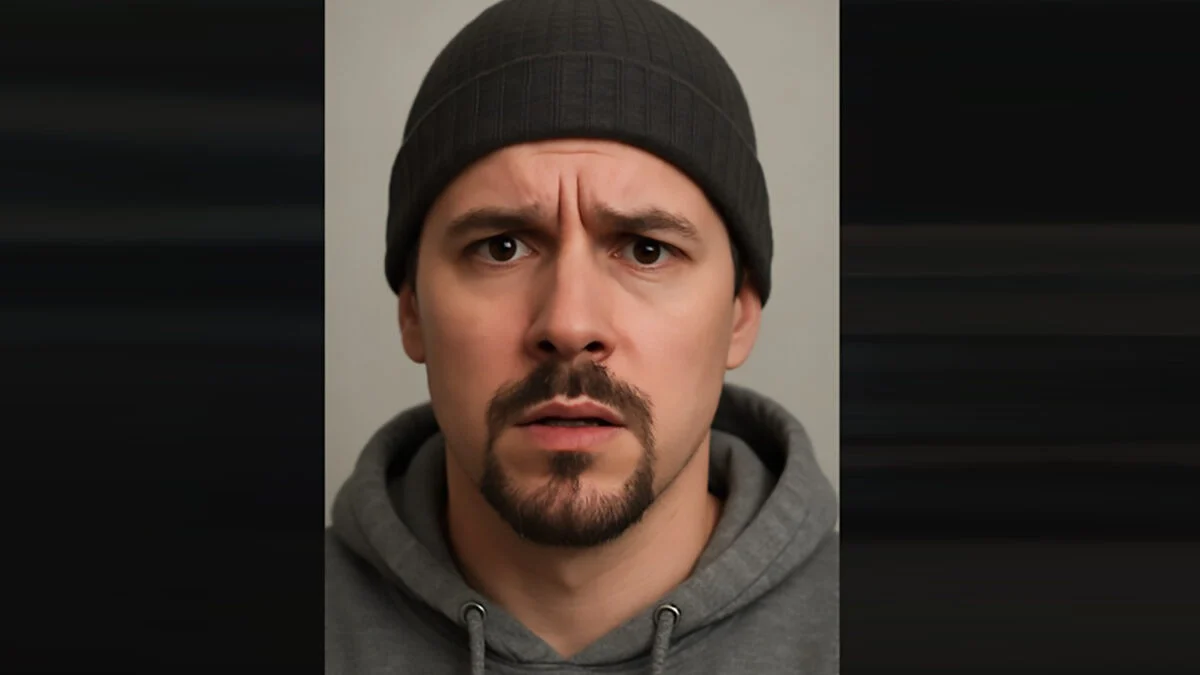
In a groundbreaking move, the Goodyear Police Department in Arizona is among the pioneers in the United States utilizing advanced AI-generated suspect sketches. This innovative approach aims to gather valuable tips from the community on unresolved cases, bridging the gap between technology and law enforcement.
The Washington Post reported that the department has employed AI technology on two occasions this year: once in April for an attempted kidnapping and again in November for a shooting incident. Unfortunately, both cases remain unsolved, and thus far, the AI-generated images have not led to any arrests. Experts caution that incorporating AI in this manner could complicate the already intricate process of identifying suspects.
How AI Is Transforming Suspect Identification
The images used in these cases were created by Mike Bonasera, a forensic artist with five years of experience in crafting police sketches. Typically, he produces up to seven composite illustrations annually when law enforcement lacks clear surveillance footage.
This year, Bonasera began to upload some of his previous sketches into OpenAI’s ChatGPT, discovering that the resulting AI-generated portraits bore striking resemblances to the actual suspects. Following approval from department leaders and the Maricopa County Attorney’s Office, he was cleared to apply AI technology in new cases.
Witness Collaboration in Real-Time
Bonasera engages directly with witnesses while generating the images, allowing them to provide input and adjustments in real-time. After the first AI-generated image was released in April, the department received a significant influx of tips, motivating them to replicate this process in November.
Bonasera noted, “We’re now in a day and age where if we post a pencil drawing, most people are not going to acknowledge it.” This insight underscores the shifting dynamics in how law enforcement communicates with the public.
Are AI-Generated Images Reliable?
While AI-rendered images may appear more realistic, experts warn they can carry inherent biases based on the datasets used for training. Andrew Ferguson, a law professor at George Washington University, expressed concerns in an email to The Washington Post regarding the reliability of AI in court. “In court, no one knows how the AI works,” he pointed out. Therefore, even if AI-generated sketches look impressive, it does not guarantee their reliability compared to traditional human-drawn sketches.
Other Instances of AI in Law Enforcement
Goodyear’s use of artificial intelligence is not an isolated case. Earlier in April, the Westbrook Police Department in Maine faced scrutiny after they shared an AI-altered photo of seized drugs, later issuing a public apology for the misstep. This incident highlights the challenges law enforcement agencies face as they incorporate AI into their practices.
What are the advantages of using AI in police sketches? AI technology can generate images quickly and engage the public, increasing the likelihood of receiving helpful tips.
Can AI-generated sketches hold up in court? Experts indicate that while visually appealing, these images might not be as dependable as traditional sketches due to the complexities behind AI algorithms.
How often do forensic artists use AI in their work? More forensic artists are beginning to collaborate with AI to improve their composites, making the process quicker and potentially more engaging for the public.
Are there risks involved with AI in policing? Yes, the use of AI poses risks, including potential biases and challenges surrounding the reliability and acceptance of AI-generated evidence in legal proceedings.
In conclusion, as law enforcement embraces technology, it opens up new avenues for solving cases while also introducing a set of challenges. It’s crucial for agencies to navigate these innovations cautiously. Explore more about the intersection of technology and policing at Moyens I/O.