In a significant move reflecting the power struggle within the tech and entertainment industries, Google has complied with a cease and desist order from Disney. Reports from showbiz trade publications Deadline and Variety confirm that Google has removed several AI-generated videos that utilized Disney’s intellectual property, with estimates suggesting “dozens” of videos were targeted in this effort.
This turn of events came swiftly after Disney announced a $1 billion investment in OpenAI, Google’s competitor in the AI space. The partnership between Disney and OpenAI allows for the use of Disney characters in videos produced by the Sora family of video models. The cease and desist was formally issued to Google on Wednesday, just before the big announcement regarding OpenAI came to light, as noted by Deadline.
Disney CEO Bob Iger shared with CNBC that the decision to send the cease and desist letter followed unproductive discussions with Google regarding their AI-generated content.
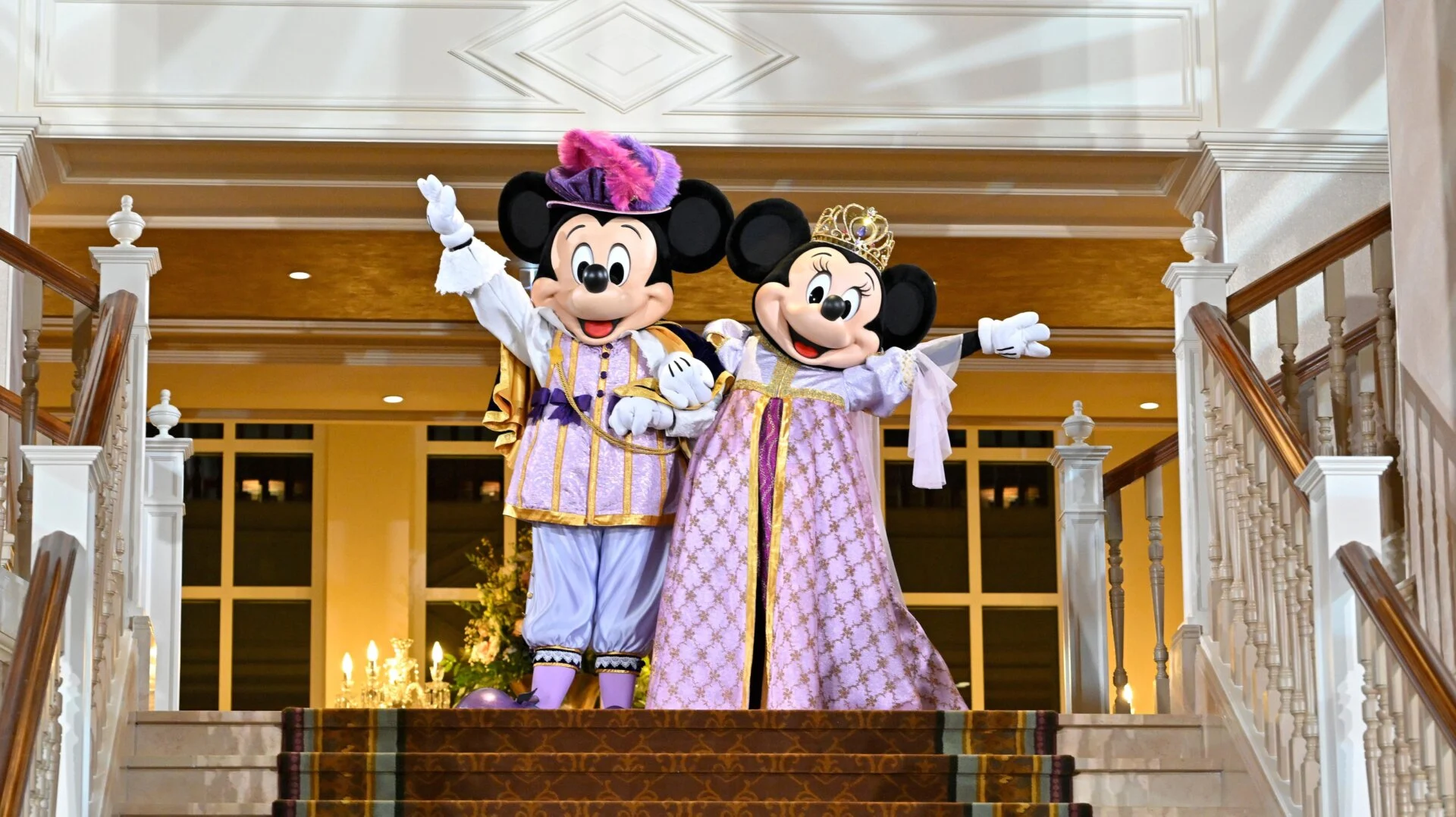
Interestingly, reports indicate that some of the videos referenced in the cease and desist were created using Google’s own Veo technology. These videos included characters from iconic franchises such as Star Wars and The Simpsons, along with lesser-known characters from the Marvel Cinematic Universe like Deadpool. Additionally, Mickey Mouse was mentioned as part of the complaint, according to Variety.
Anecdotal evidence from Reddit suggests that around six months ago, Veo’s copyright restrictions were briefly loosened, resulting in a proliferation of content that likely infringed upon Disney’s copyrights. If Disney sought to remove videos featuring Marvel material, it appears they had a clear case of protecting their intellectual property, especially if it mirrored content that may have skirted copyright laws.
The situation becomes complex when looking at the character Mickey Mouse. As a character part of the public domain, the original Mickey does not belong exclusively to Disney, allowing us all to claim a piece of him. However, Disney does hold trademarks on specific uses of Mickey, aiming to avoid consumer confusion. As of now, only Mickey Mouse material from the first 15 films has entered the public domain.
Therefore, videos that mix Disney’s trademarks with Mickey Mouse or build upon still-protected works can easily fall into a gray area of copyright infringement. For example, a video showing a Mickey Mouse character from a Disney park embroiled in a reality-TV-style disagreement could be contentious.
Meanwhile, OpenAI’s deal with Disney is set to last three years and will cover user-generated videos featuring over 200 beloved characters from Disney, Marvel, Pixar, and Star Wars, with some of this content also making its way to Disney+. While it’s hard to envision how creative outputs from users might enhance a platform already housing classics like Pinocchio and One Hundred and One Dalmatians, the potential for interesting content remains.
What does a cease and desist letter involve in such scenarios? It typically serves as a formal request to halt the use of specific intellectual property, aiming to protect the rights of the original creator without resorting to legal action.
How does Disney ensure its copyright is protected? Disney closely monitors technology platforms for potential IP infringements, responding swiftly to legal breaches, especially related to its popular franchises.
What is the significance of the Disney and OpenAI partnership? This collaboration marks a shift in Hollywood’s approach to AI, leveraging technology while also securing intellectual property rights through strategic investments.
Can AI-generated content infringe upon copyright? Yes, content produced by AI can infringe upon copyright laws, especially if it replicates or utilizes identifiable elements from protected works.
In conclusion, the implications of these recent developments highlight significant tensions between tech companies and entertainment giants. As technology continues to evolve, so too will the strategies for protecting intellectual property. For more engaging insights on this topic and similar content, feel free to explore Moyens I/O.