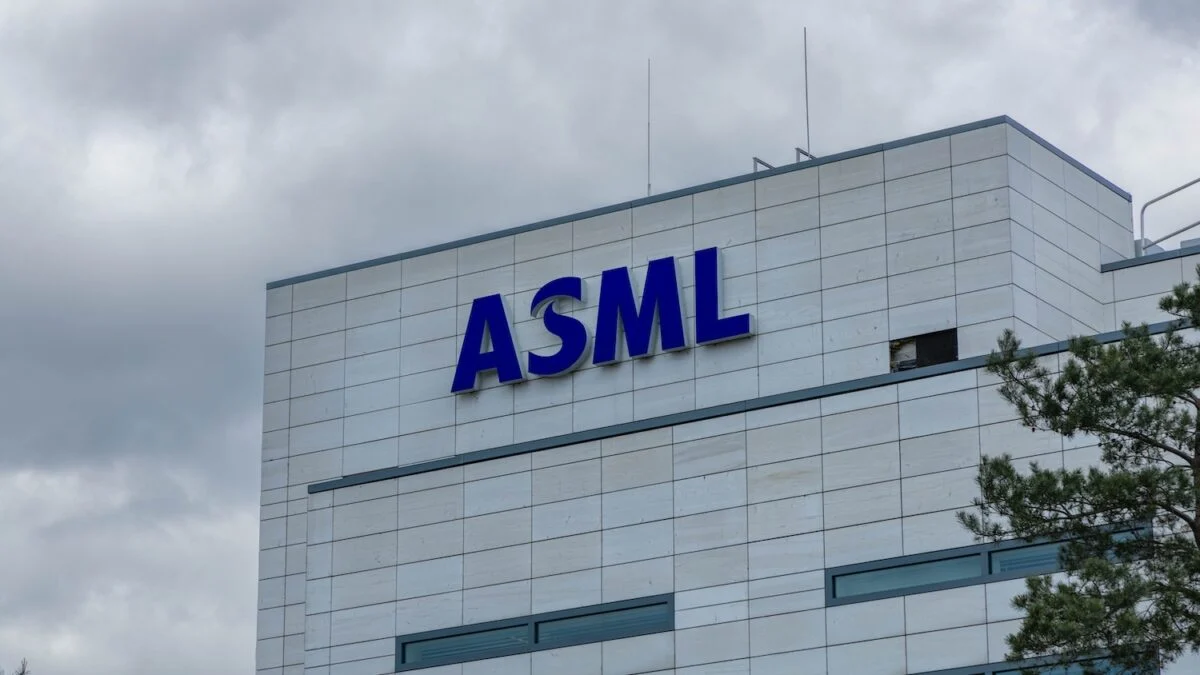
Picture this: the world is buzzing with excitement about AI, from self-driving cars to chatbots that seem almost human. But behind this technological marvel stands a titan—a single company that plays a pivotal role in our AI future. That company? ASML.
With a unique blend of engineering marvel and economic might, ASML is the only game in town when it comes to making the advanced machines required for producing ultra-fine computer chips like those in cutting-edge AI systems. You can think of their lithography machines as the magic wands of the semiconductor industry, enabling the creation of chips that power technologies we now take for granted.
1. What Makes ASML the Gatekeeper of AI Chips?
In 2026, ASML’s stranglehold on the chip-making process is more pronounced than ever. With a remarkable 100% market share in extreme ultraviolet (EUV) lithography systems, they’ve cornered the market in a way that’s simply unmatched. Other companies might dabble in chip-making technologies, but ASML’s EUV systems are the backbone of the most advanced AI chips.
2. Why Is This Monopoly So Important?
ASML’s monopoly isn’t like the stereotypical villain in a movie; it’s built on superior technology. This firm creates conductors that allow chips to operate at sub-2-nanometer process nodes. The smaller you can go, the more powerful and efficient the chip becomes. In a world striving for smarter AI, ASML’s machines are what allow companies like Nvidia and TSMC to bring their groundbreaking ideas to life.
3. How Does This Impact the Global Economy?
Here’s the kicker: an enormous amount of the global economy hinges on ASML. Recent reports highlight a two-track economy, where AI innovation is booming while other sectors seem stagnant. ASML is becoming the linchpin of this innovation thrust, a critical player in a structure that wobbles dangerously on a single point of failure.
4. What Challenges Is ASML Facing?
As ASML gears up to shift from EUV to high numerical aperture (High NA) technology, they’re faced with a challenging road ahead. It’s like upgrading from a reliable family sedan to a high-performance sports car. This leap aims at reaching new performance levels, yet it’s shadowed by the risk of miscalculation. A slip-up could impact the very companies relying on ASML’s tech, and, by extension, the broader economy.
5. Can Other Companies Compete?
The odds seem stacked against competitors. Nvidia’s recent antitrust inquiries show that even in the GPU market—where they hold a large share—there’s limited competition. The same goes for ASML. They’ve crafted a niche where they are not just competing; they are defining the rules of the game. What does that mean for would-be challengers? It’s tough for newcomers to break through, especially when ASML’s tech seems pure magic.
What happens as ASML continues to shape our digital future? Is reliance on a single company ideal? With the balance of global economies hanging in the balance, that’s a question worth pondering as we move into a world increasingly defined by AI.
How do you see ASML’s role evolving in the future economy influenced by AI?