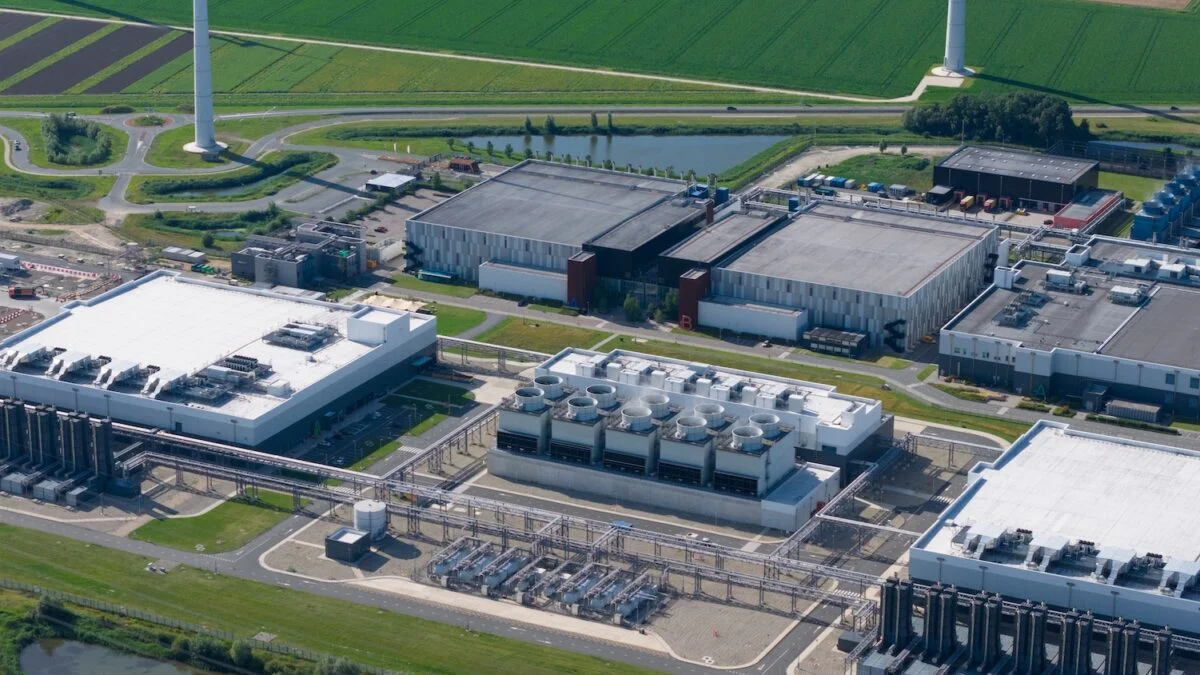
OpenAI is on the hunt for more computing power, and it’s making moves to get it—no matter what anyone thinks. According to a report from the Detroit Free Press, the Michigan Public Service Commission has approved DTE Energy to supply 1.4 gigawatts of power to a new data center that’s part of OpenAI’s ambitious Stargate project.
This approval means that the data center will be constructed in Saline Township, located about 40 miles southwest of Detroit. What’s surprising is that the decision was made via an “ex parte” motion, which means there won’t be any public hearing where residents could voice their concerns or dissent.
The people of Michigan certainly have their worries. Initially, the Saline Township board blocked the project, refusing to rezone farmland for the data center. But after a lawsuit from the developers, they secured the land through a settlement. Now, plans are underway to build three massive facilities, each spanning 550,000 square feet, as part of OpenAI’s Stargate cluster, which is set to one day house 5GW of computing power.
Local residents feel trapped by this rapid development. They’ve staged protests, with one resident even filing a lawsuit claiming that the township violated the Open Meetings Act by settling the lawsuit behind closed doors. With the quick approval of the project, their frustration is only growing.
Saline Township is not the only small community facing this kind of pressure; similar situations are popping up across the nation. A Wall Street Journal report highlights how various counties have turned into hotspots for data centers, with small towns attracting developers eager to set up hyperscale operations. While it’s tempting for local officials to approve these projects because they promise significant economic investment—like the $7 billion anticipated for Saline Township—the long-term benefits for local residents can be questionable. Other towns have seen short-lived booms that fade as quickly as they begin.
Data centers do create a brief spike in economic activity, but they rarely provide lasting jobs. Once construction wraps up, the cash flow tends to dry up quickly. Plus, the environmental risks associated with these projects cannot be ignored, particularly as they race to meet hurried timelines fueled by investments in AI.
It’s clear that local governments need a broader perspective. Residents in Saline Township feel that decisions are being made without proper consideration for their future. One local shared with The Guardian that he finds the project “uniquely evil,” calling out the secretive dealings of the township board and the developers. Another resident, Kathryn Haushalter, summed up the dilemma well at a protest: “If an idea is so great, AI is so beneficial, why do you need to sue your way in?”
What Do Other Communities Think About Data Centers?
Saline Township’s resistance is part of a larger national trend. Data from Data Center Watch shows that at least 20 similar projects have been blocked across the U.S. recently as local communities push back against unwanted tech intrusions. Citizens might lack support from their immediate local governments but are finding allies on the federal level, like Senator Bernie Sanders, who recently advocated for a national moratorium on new data center constructions. He believes companies are racing to push through projects before communities can catch up.
Why Are AI Companies in a Hurry to Build?
The urgency from AI firms stems from a tide of investor cash that’s currently flowing into tech. OpenAI’s argument is that they need enhanced computational power to refine their models and develop lucrative tools—a guessing game where they’re spending others’ money to see if it leads to profits down the line. Yet doubt is creeping in; even on Wall Street, skepticism is mounting over whether AI will deliver endless returns, which only adds to the rush to construct these data centers before investment confidence wanes.
What’s the Impact of Data Centers on Small Communities?
Data centers can initially boost local economies, leading to increased spending and temporary jobs during construction. However, the long-term economic benefits are often limited, leading communities to wonder if the trade-offs are worth it.
How Do Residents Voice Their Concerns About Data Centers?
Residents have organized protests, filed lawsuits, and used social media as platforms to express their dissatisfaction with data center projects, seeking more say in decisions that affect their communities.
What Are the Environmental Risks of Data Centers?
Data centers consume significant amounts of electricity, contributing to carbon emissions and increasing local environmental impact. Concerns about water usage and waste are also prevalent.
Are Local Governments Supporting the Residents?
In many cases, residents feel that their local governments are prioritizing economic incentives over community concerns, leading to a lack of support for their grievances.
The narrative surrounding the data center in Saline Township resonates with many across the country who feel caught in the crossfire between progress and community interests. As developments unfold, it’s crucial to remain aware of the implications and keep these discussions alive. What do you think about the rapid development of data centers in small towns? Feel free to share your thoughts in the comments below!