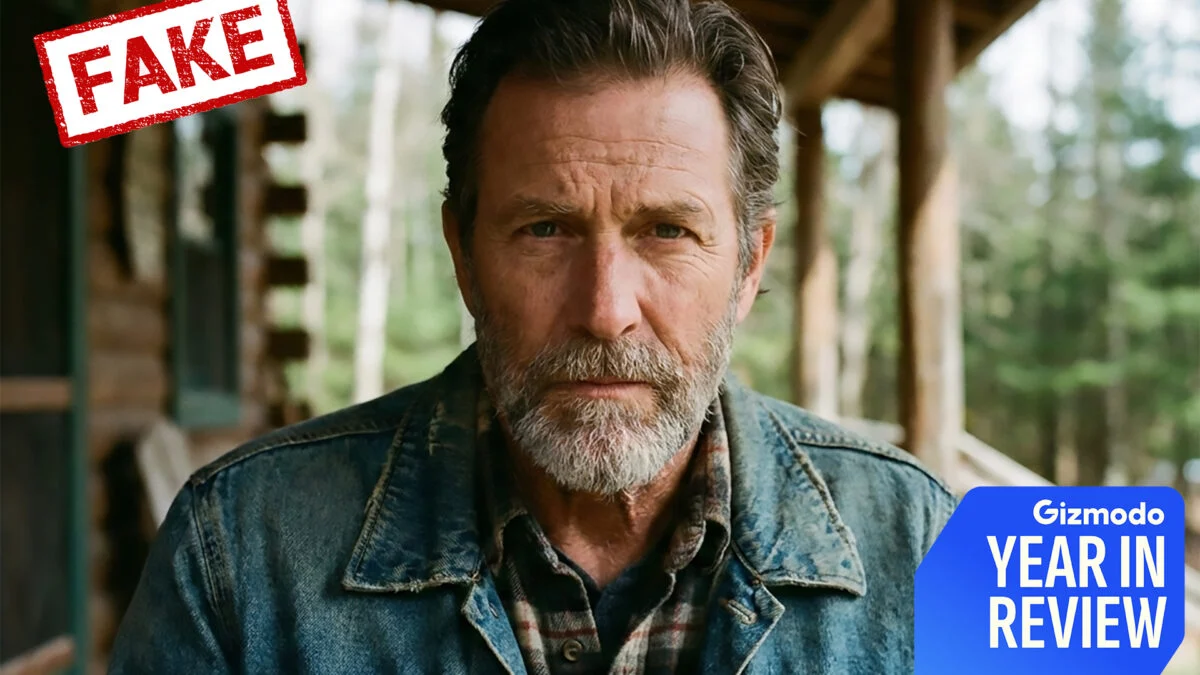
The internet can feel like an unending torrent of misinformation. As someone who has dedicated years to dissecting fake images online, I’ve found myself questioning reality in ways I never expected.
My journey began back in 2013 when a peculiar photo of President Teddy Roosevelt riding a moose made waves. It was a comical pre-Photoshop creation, yet it got people wondering: “Could this be real?” That small spark of curiosity inspired me to start writing about the fake images that clutter our online spaces.
By 2014, my efforts had grown; I dove deeper into viral fakes and shared year-end summaries, helping others untangle the web of deception. Until recently, keeping track of such fakes felt rewarding. However, this year brought a wave of confusion that overwhelmed even seasoned fact-checkers like myself.
Why 2025 was a Tipping Point for Fake Content
Looking back at 2025, I found an ocean of fake images and videos swirling uncontrollably. The feeling certainly shifted; whereas I used to methodically debunk notable fakes, I now faced a relentless flood of misleading content. Platforms like Instagram, Facebook, and X (formerly Twitter) brimmed with AI-generated nonsense, rendering the task of identification nearly impossible.
What were some viral examples of fake images and videos in 2025?
In 2023, we saw the infamous AI-generated image of the Pope wearing a puffer jacket. Fast forward to 2025, and it feels like every other post in my feed could be fake. As I scrolled, it struck me—people swiped without a second thought, oblivious to the endless sea of deceit.
The Experts Are Confused Too
Even the best in the business have a hard time distinguishing fact from fiction. Jeremy Carrasco, known for his insightful tips on TikTok, YouTube, and Instagram, made headlines for calling out a fake video that turned out to be authentic. This realization shook me; if the experts can’t keep up, what hope do the rest of us have?
@showtoolsai
For many, the situation has become a parody of itself—video after video and photo after photo, sloppily tossed online in hopes of gaining likes. Financial incentives drive creators to post videos that evoke strong emotions, like pets being saved from danger. These clips pull at your heartstrings, but what if you knew they were staged?
What are the consequences of consuming fake content?
When you watch a short video showcasing people in bizarre scenarios, you start to wonder: Why should I care? Unlike films or TV that create connections with well-developed characters, these AI-generated personas lack depth. They’re merely digital figments that fail to resonate with real-life emotions.
The Evolution of Fake Images
Once, I would have thought people should be cautious when encountering poorly edited photos. Now, I see how deceptive technology has become. The tools to create stunningly realistic fake images are available to everyone, and skepticism is no longer just a safety net—it’s a necessity.
Just last month, I produced an astonishing photorealistic image using Google Gemini in mere seconds. By simply typing, “Create a photorealistic image of a man looking directly at the camera,” I showcased how worryingly easy it has become to manipulate perceptions.
How does AI technology create convincing images?
With Google’s new watermark detector integrated into the Gemini platform, there’s some hope for verification. But this can only help up to a point. If Gemini doesn’t flag an image, it doesn’t mean it’s genuine; it just means it wasn’t crafted with their tools. There are countless other AI generators creating a deluge of indistinguishable content.
Power Players and Their Influence on Misinformation
High-profile figures like Donald Trump are well aware of the chaotic information landscape. They twist narratives to call genuine events fake, betting on our confusion. It’s alarming to see how easily misinformation can shape public perception, especially when figures of authority endorse such views.
Billionaire Elon Musk also envisions a future dominated by AI-generated content, believing it caters to our desires. He suggests that in just a few years, most of what we consume will come from AI, including entertainment and news.
Musk believes this version of the future is what people really want—fake content that caters to your desires—because he’s so detached from humanity.
As he shared with Joe Rogan: “Most of what people consume in five or six years, maybe sooner than that, will be just AI-generated content. So music, videos…”
— Matt Novak (@paleofuture.bsky.social) November 8, 2025 at 8:27 AM
We might already be halfway to this vision. With the digital landscape saturated with deceit, perhaps it’s more effective to identify the few genuine pieces left.
What do you think—will we ever reclaim authenticity online? Share your thoughts below!