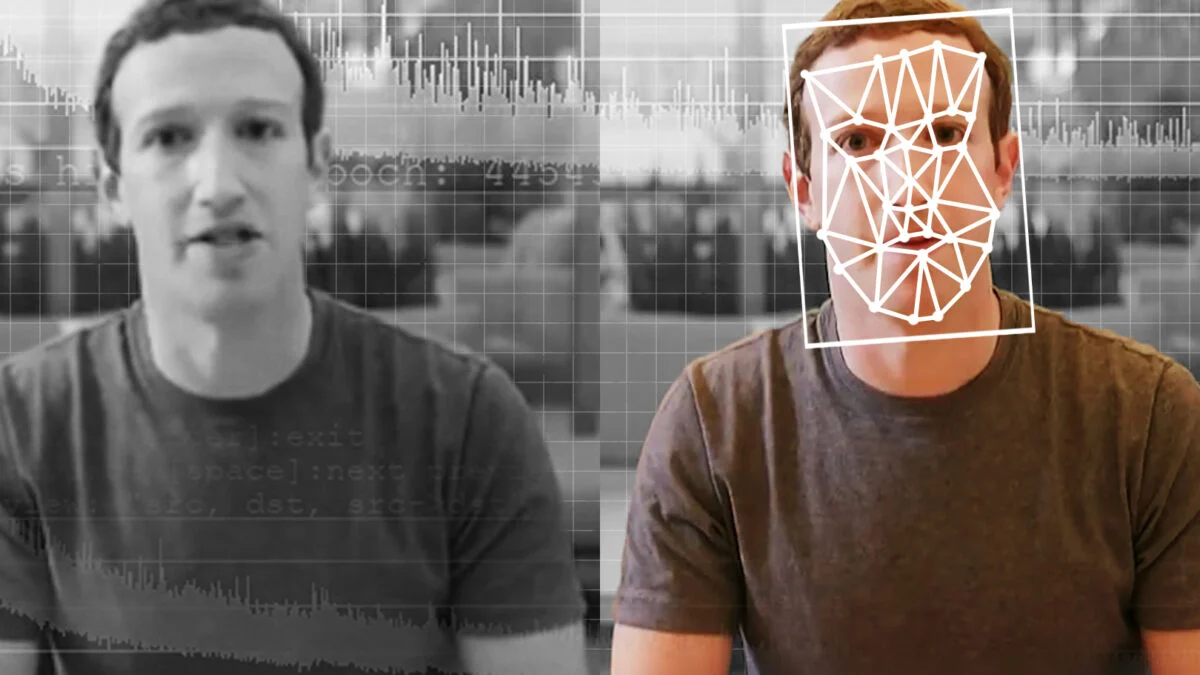
Imagine you’re on a video call with a friend, but what you see isn’t real. The face smiling at you is a flawless deepfake, almost indistinguishable from the real deal. In 2025, deepfake technology took a giant leap, and its ability to create realistic images, videos, and even voices now presents both fascinating and alarming possibilities.
As a computer scientist who has been researching deepfakes, I have watched these technologies evolve at an astonishing pace. The impact of deepfakes is just beginning to unfold, and it raises serious questions about trust in media.
Dramatic Improvements in Deepfake Technology
This year, we witnessed groundbreaking advancements. First up, video realism skyrocketed thanks to new models that focus on maintaining temporal consistency. These models skillfully capture coherent motion and consistent identities. Think about how you remember faces and gestures; these models untangle the person’s identity from their actions, allowing for seamless video generation.
Remember when those tell-tale signs, like flickering around the eyes, used to expose a deepfake? Those are almost gone now, thanks to improvements in stability and coherence.
Voice Cloning Hits the Indistinguishable Threshold
On the audio front, voice cloning has reached what I call the “indistinguishable threshold.” With just a few seconds of audio, technology can produce convincing clones of voices, complete with emotional nuances and breathing sounds. Retailers have reported receiving over 1,000 AI-generated scam calls daily. The unmistakable cues that used to give away synthetic voices have largely disappeared, making scams even more plausible.
DIY Deepfake Tools for Everyone
What’s even more fascinating is that creating deepfakes has become accessible to almost anyone. With tools like OpenAI’s Sora 2 and Google’s Veo 3, you can describe an idea, draft a script, and generate polished audio-visual media in minutes. AI agents can do most of the heavy lifting, democratizing content creation. It’s like having a movie studio in your pocket!
This boom in quantity and quality presents new challenges for detecting deepfakes. In a world where misinformation spreads fast, spotting deepfakes can be tough. We’ve seen real-world harm, from health misinformation to financial scams, enabled by believable deepfakes that often spread faster than we can react.
The Future: Real-Time Deepfakes
Looking ahead, it’s clear: deepfakes are heading toward real-time synthesis. Imagine interactive videos that mimic a person’s appearance and mannerisms as they respond to prompts. This isn’t just “looks like”; it’s “acts like.” You could be on a video call where the participants are entirely synthetic, responding to your cues instantly. Scammers might even deploy avatars that adapt in real-time!
As these capabilities mature, the line between real and synthetic media will blur even further. To protect ourselves, we will need robust infrastructure-level protections, such as cryptographic media signatures to establish authenticity and advanced forensic tools like my lab’s Deepfake-o-Meter.
What are deepfakes and why are they a concern?
Deepfakes are hyper-realistic synthetic media, primarily videos and voices that replace genuine content. Their ability to mimic reality poses risks such as misinformation, identity theft, and financial scams.
How do deepfakes compare to traditional media?
Deepfakes can deceive viewers with astonishing realism, often making them indistinguishable from real videos or audio recordings, unlike traditional media where authenticity can be more easily verified.
What should I look for to identify a deepfake?
While detection is becoming trickier, you can look for inconsistencies in movements, unnatural audio timing, or discrepancies in lighting and shadows as potential clues.
Can deepfake technology be used for good?
Yes! Deepfakes can serve positive roles in fields like entertainment, education, and marketing, enabling creativity and innovative storytelling without impacting personal identity.
What are the best practices for protecting against deepfake scams?
Stay informed and skeptical of media. Verify information through reliable sources and consider using anti-deepfake technologies and applications for verification.
As deepfake technology continues to evolve, it invites us to reflect on our trust in what we see and hear. Isn’t it intriguing to think how much the digital landscape has changed? What’s your take on navigating this new reality? Feel free to share your thoughts in the comments below!