Many Americans are beginning to question the impact of artificial intelligence (AI) on their lives. A recent poll by Emerson College revealed that almost twice as many people think AI will negatively affect the economy compared to those who believe it will have a positive effect. In fact, 46% of respondents fear AI will harm the environment, while only 21% think it will help. As skepticism grows, there’s a noticeable shift in the political landscape, with some politicians aiming to secure their stance as the anti-AI party as the midterm elections approach.
This skepticism is opening doors for Democrats to position themselves as champions of regulation against what many perceive as unchecked technological advancement. The Trump administration was known for its support of Big Tech, advocating for less oversight. In contrast, Democratic leaders like those in California and New York are implementing significant measures to regulate AI, including restrictions aimed at combatting algorithmic price fixing.
These regulatory efforts resonate with public sentiment; according to a Gallup poll, 80% of Americans believe that the government should oversee AI, even if it slows industry growth. Furthermore, a Pew Research study found that only 17% of individuals foresee positive outcomes from AI in the next two decades.
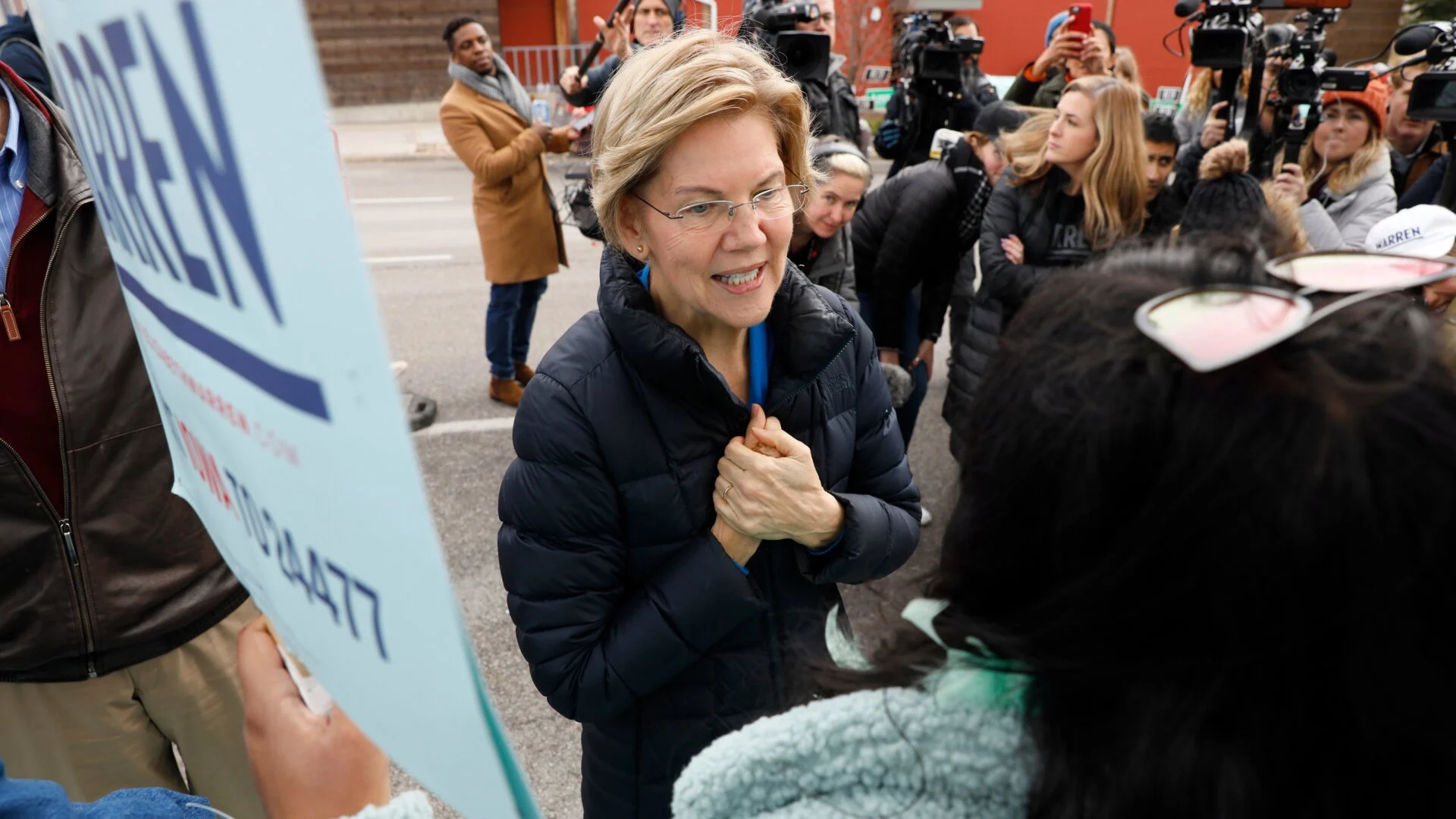
However, some of the prominent voices in the Democratic party seem hesitant as anti-AI sentiments burgeon in Republican circles. Notably, Elizabeth Warren, previously an outspoken critic of AI, has altered her approach, now stating she uses ChatGPT for information gathering. She claims it can provide better answers than a simple Google search, demonstrating a shift in her stance.
Even though Warren hasn’t completely abandoned the idea of regulating AI, her shift reflects a larger trend among Democrats who may be capitulating to growing acceptance of AI, perhaps trying to appear more pragmatic at a time when skepticism is mounting.
In stark contrast, the Republican party is becoming increasingly vocal in its opposition to AI. Florida Governor Ron DeSantis has positioned himself as a leading skeptic, proposing legislation to protect citizens from potential AI overreach. Other notable figures like Marjorie Taylor Greene and Steve Bannon also advocate for curbs on Big Tech AI expansions, although the weight of their opinions varies within their party.
Among Democrats, the progressive faction is making its case as representative of the populace’s concerns about AI. Bernie Sanders has taken a bold stance, advocating for a nationwide moratorium on new AI data centers to ensure local communities are not overrun by massive tech infrastructures. Following his lead, Michigan Governor Gretchen Whitmer has also called for a ban on data centers in her state, indicating a growing alignment among progressive leaders on this issue.
The evolving sentiments in both parties highlight a fantastic opportunity for Democrats to claim a competitive edge, especially if they can rally behind effective AI regulations. Warren and Murphy’s changes signal a missed chance that could impact their influence moving forward.
Why Are Many Americans Skeptical About AI?
The skepticism towards AI often stems from fears of job displacement, data privacy issues, and the environmental impact of AI technology. Recent reports suggest that many see AI not as a tool for improvement but as a potential threat.
What Regulations Are Being Proposed for AI?
Regulations are focused on making AI models safer and preventing them from being misused. States led by Democratic lawmakers are drafting laws that include strict guidelines on how AI can be used, particularly concerning economic and environmental safety.
How Is Elizabeth Warren Responding to AI?
Elizabeth Warren is exhibiting a new approach towards AI by using platforms like ChatGPT for research. While she supports regulations, her recent statements reflect a more open attitude towards the technology, making her seem more pragmatic.
What’s Driving the Anti-AI Movement in the Republican Party?
The anti-AI stance among Republicans is driven by a desire to protect job opportunities and maintain data privacy. Figures like DeSantis seek to capitalize on this sentiment as a way to differentiate themselves from traditional Big Tech support.
What Future Do Progressive Leaders Envision Regarding AI?
Progressive Democrats like Bernie Sanders envision strong regulations and limitations on AI development to protect local communities. Their proposals aim to ensure that AI serves the public interest rather than corporate agendas.
Reflecting on these discussions highlights the intricate balance between embracing technological advancement and protecting community interests. As opinions shift, it will be interesting to see how these voices influence the ongoing dialogue about AI. What are your thoughts on AI’s impact on our economy and environment? Feel free to share in the comments below!