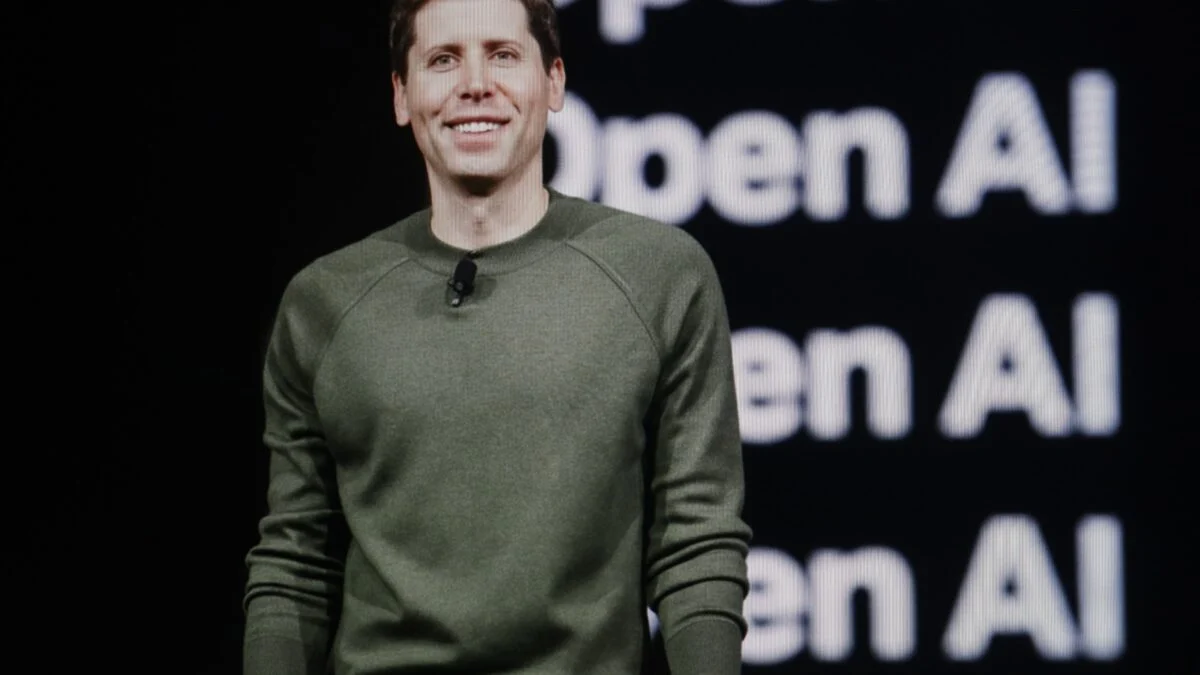
OpenAI CEO Sam Altman has raised the alarm within the company, signaling a “code red” aimed at enhancing ChatGPT’s performance. This shift prioritizes resources towards improving their flagship product, delaying some other upcoming projects, according to an internal memo reported by the Wall Street Journal.
OpenAI has faced significant challenges recently, including ethical concerns and legal scrutiny after incidents that highlighted the chatbot’s safety flaws, which could have adversely impacted users’ mental well-being.
In response, OpenAI initiated various safety measures, such as removing overly flattering language from the chatbot, introducing parental controls, and developing an age prediction system for appropriate settings for minors.
A report from the New York Times indicated that just a month prior, OpenAI had declared a “code orange,” acknowledging competitive pressures and the need for improvements as user engagement with the safer version of ChatGPT was low.
OpenAI also hinted at loosening some restrictions on the chatbot to restore its “personality” and planned to allow “erotica for verified adults.”
Following the memo, users can expect enhancements in ChatGPT, including quicker, more reliable responses and improved personalization. Nick Turley, head of ChatGPT, echoed these sentiments on X, emphasizing the goal of making the chatbot feel intuitively personal.
Additionally, OpenAI is expected to launch a new reasoning model soon, which Altman claims will surpass the capabilities of Google’s latest offering, Gemini 3. This claim comes amid discussions suggesting that Gemini 3 may have already outperformed ChatGPT significantly, according to user feedback.
Will ChatGPT Introduce Ads?
As part of this turnaround strategy, OpenAI will postpone several projects, including initiatives for AI applications in health, shopping, and the personal assistant known as Pulse, which were introduced only recently.
Furthermore, work on advertising features has also been delayed. While OpenAI has yet to publicly confirm this initiative, sources indicate that the company has been experimenting with different ad formats in its chatbots. Although Altman once described an “ads-plus-AI” model as “sort of uniquely unsettling,” executives have been contemplating this venture for some time without formal announcements.
Recently, engineer Tibor Blaho uncovered references to advertising in a beta version of ChatGPT’s Android app, implying that ads may be integrated specifically within ChatGPT Search. Turley also mentioned that Search represents a significant opportunity for OpenAI.
Is there a plan for ChatGPT to become safer for users? OpenAI has actively worked on enhancing safety protocols following ethical concerns, implementing various measures to ensure user interactions remain healthy and constructive.
What are the upcoming features of ChatGPT users can expect? Users can look forward to faster, more reliable responses, increased personalization, and a broader scope of questions that the chatbot can address.
How has competition from companies like Google influenced OpenAI’s strategy? The competitive landscape has prompted OpenAI to adopt a more aggressive approach in advancing ChatGPT’s capabilities, particularly in light of favorable feedback towards Google’s Gemini 3.
Are there any potential changes to ChatGPT’s personality? OpenAI is exploring how to make ChatGPT feel more intuitive and personal by potentially reintroducing certain personality traits that were modified in previous safety updates.
If you’re curious about how these developments will shape your interactions with AI and want more updates on tech trends, keep exploring related content. Visit Moyens I/O for more insights.