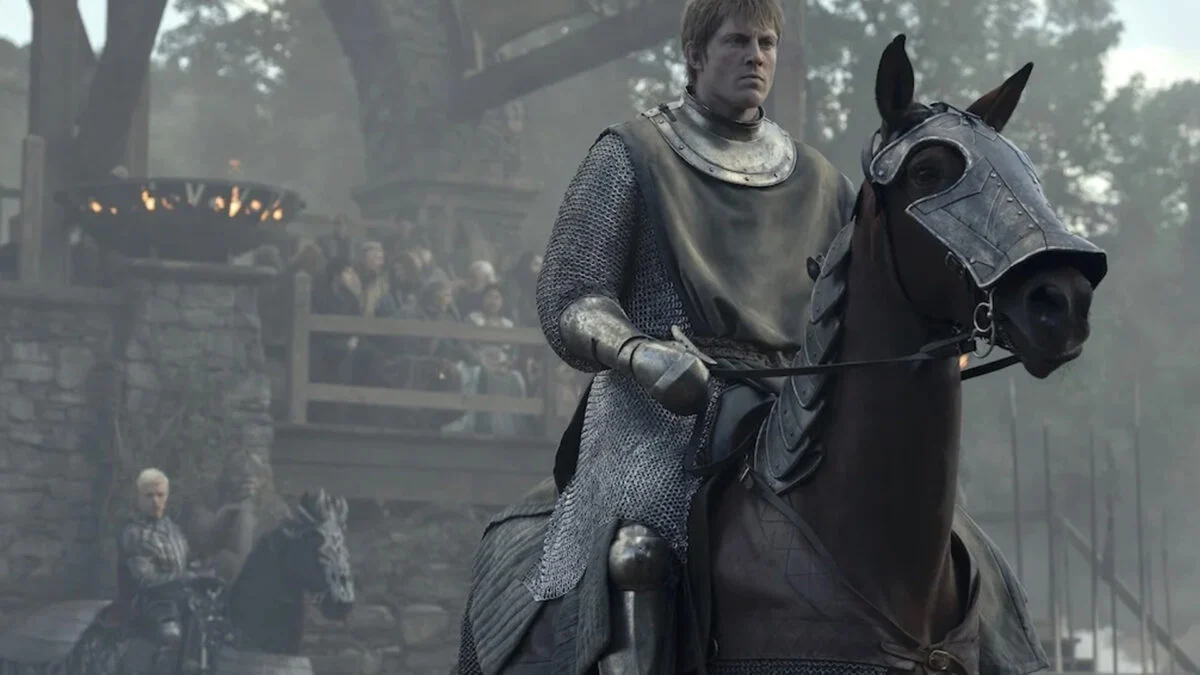
As the sun sets on the Ashford Meadow, the stage is set for a clash that echoes through the ages. Ser Duncan, our humble hedge knight, finds himself at the nexus of fate, pitted against the fierce might of House Targaryen. But what awaited him was not merely a test of swords, but a gripping spectacle steeped in the ancient rites of Westerosi justice.
The Unfolding of Justice: What *Is* a Trial of Seven?
Imagine the weight of history pressing down on every combatant as they enter the arena. Trials by combat have long been the preferred method for resolving disputes among the elite of Westeros, yet the Trial of Seven stands apart. Its roots stretch back to the migration of the Andals from Essos, bringing with them a new faith that reshaped the spiritual landscape of the Seven Kingdoms.
The Faith of the Seven introduced a belief system that revered a singular deity with seven aspects, which enriched various rituals, including the concept of trial by combat. In a Trial of Seven, the stakes are elevated—it’s not just a duel but a grand melee involving 14 fighters. Each side boasts seven champions, all believing that divine favor would shine upon them in the heat of the battle. Such is the pressure that failing to present a complete roster can seal one’s fate, as Dunk nearly discovered.
Historical Echoes: Have There Been Trials of Seven Before?

The shock and disbelief on Maekar Targaryen’s face when Aerion demands Dunk’s trial resembles a mix of bewilderment and historical significance. Despite the Faith’s long-standing presence, Trials of Seven have been few and far between in the annals of Westerosi history. Remarkably, only one stands out prior to the moment at Ashford Meadow: a dark tale involving Maegor the Cruel.
About 170 years before Dunk’s saga, the chaotic reign of Maegor saw the Iron Throne challenged by both familial strife and spiritual unrest. The Faith Militant, incited by the Targaryen’s defiance, sought retribution through a Trial of Seven. Maegor, lacking the protection of his Kingsguard, turned to common soldiers and knights for champions. As fate dictated, the gruesome clash left Maegor battered yet triumphant, solidifying the Targaryen grip on power but igniting further hatred between the crown and the Faith.
Unraveling Ambitions: Why Did Aerion Call a Trial of Seven?

Like a moth drawn to a flame, Aerion’s call for a Trial of Seven speaks volumes about his character. While pure survival instinct might dictate a straightforward duel with a hedge knight, Aerion’s obsession with the Targaryen lineage drives him to invoke an obscure and formidable challenge.
Eager to reclaim his family’s lost glory, Aerion channels the spirit of his infamous ancestor, seeking to cement his place in history with a legend of his own. His frustrations with the decline of House Targaryen spiral into a nearly theatrical need to assert dominance, even against insurmountable odds, as demonstrated by his outrage at a mere performance perceived as a slight against the honor of dragons.
How will this ploy play out for Aerion? As we approach the climactic finish of A Knight of the Seven Kingdoms, the tension swells; will he carve a path in history or stumble into obscurity like so many before him? Only time will tell.
Want more io9 news? Check out when to expect the latest Marvel, Star Wars, and Star Trek releases, what’s next for the DC Universe on film and TV, and everything you need to know about the future of Doctor Who.