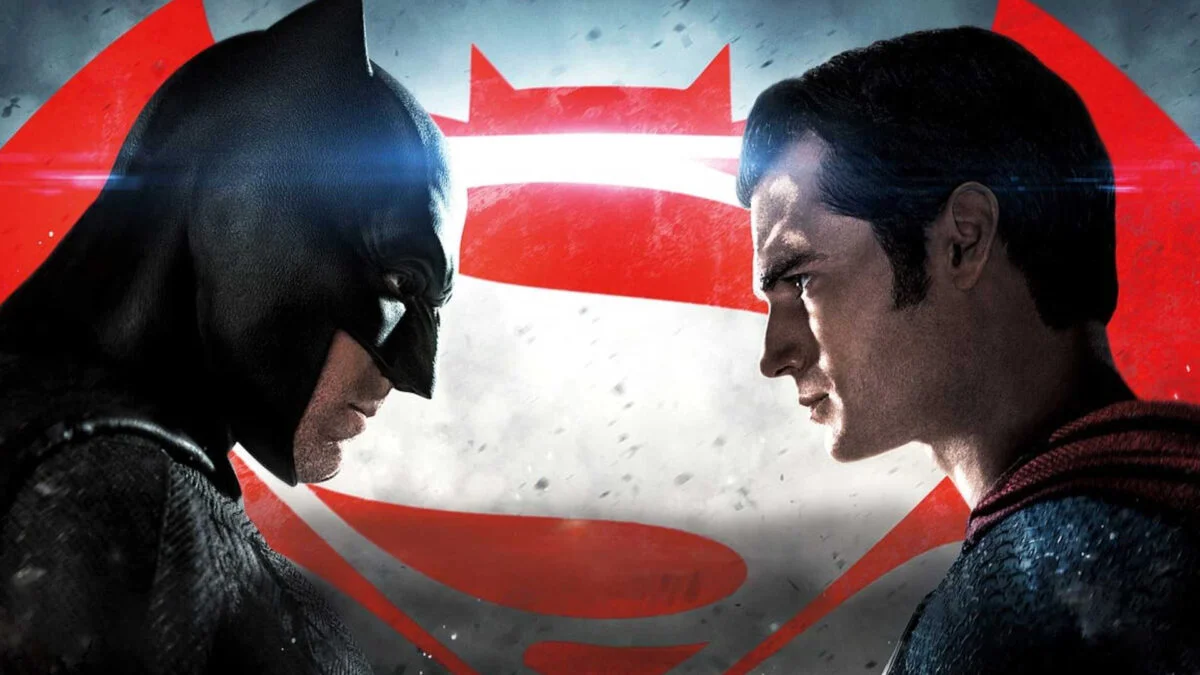
The Q&A lights dim. Zack Snyder leans forward, and for a moment the room quiets — not because everyone agrees with him, but because they remember the fight. You can feel the aftertaste: a film that keeps getting rearguarded, like a bruise that never fades.
I’ve followed this story from press junkets to podcast booths, and you should know early: this isn’t film criticism dressed as nostalgia. It’s a short guide to why Snyder still carries Batman v Superman like a talisman, and why the world never quite forgave the movie — or perhaps never tried to.
At a recent podcast interview the room felt like a tribunal
Snyder sat on Happy Sad Confused and did what he always does: he defended choices. You can hear the same themes he voiced in 2016 — that he made a movie with edges, and that the studio system and focus groups would have smoothed those edges away.
That argument is both a confession and a strategy. He claims authorship and difference: the film wasn’t meant to be a safe, sanitized product. He framed the DCEU’s second chapter as a deliberate act of tone and concept, not a mistake you can fix in a boardroom. Whether you buy that or not, his defender’s posture kept the conversation alive.
Why did Batman v Superman get mixed reviews?
Critics and viewers argued over tone, pacing, and purpose. Snyder had chosen an introspective route — the movie asks why our icons exist — and that alienated people who wanted clear-cut heroism. Then there was the MPAA kerfuffle: Snyder has said the board kept flagging violent hits and at one point defaulted to an R rating because they “don’t like the idea of Batman fighting Superman.” That anecdote feeds the narrative that the film was kicking the cultural zeitgeist in the nuts, and the story was too hot for the moment.
On social feeds fan edits and memes keep the argument alive
Scroll Twitter or Reddit and you’ll see an ecosystem of defenders, detractors, and theorists. Their conversations don’t end at reviews; they mutate the film into a myth.
That continual re-storying matters. It turned a 2016 release into a persistent cultural artifact. Whether via the Snyder Cut movement or the constant reappraisal of its themes, Batman v Superman became less like a film and more like a test case for what audiences will tolerate from a cinematic vision. It’s also how studios gauge value: Warner Bros., the DCEU, and their marketing teams watch those signals like traders watching heat maps.
Did Zack Snyder defend Batman v Superman?
Yes. On multiple platforms — interviews, conventions, and social posts — Snyder has argued the film was intentional. He asked rhetorical questions about whether you want “the K‑Mart version” of a story shaped in a boardroom. His defense is both aesthetic and moral: he wanted to deconstruct, not pander.
In press rooms the film’s rating fight reads like a footnote with teeth
Publicists remember the MPAA back-and-forth: cuts were made, yet the board briefly kept an R stamp in circulation. That mess pushed the movie into another headline cycle.
That episode is more revealing than studio memos. It shows how much of filmmaking is negotiation with external gatekeepers — reviewers, advertisers, and rating boards. Snyder’s tale of resistance turned the film into a symbol: you either admired the guts of the attempt or you thought it was self-indulgent. Either way, the story sold more conversation than tickets.
Is Batman v Superman suitable for kids?
Short answer: parents should be cautious. Early discourse questioned its tone for younger viewers, and the fight choreography and thematic bleakness made some wary. Ratings squabbles only amplified that uncertainty. If you’re choosing a screening for a child, check content warnings and previews first.
Snyder has other cards to play. He left the theatrical DCEU after Justice League, but he’s kept doors ajar: comics, animated films, and the possibility of adapting The Dark Knight Returns have all been floated. His three-film arc remains “a weed that just won’t die,” as he put it — stubborn, persistent, and oddly useful when a studio needs a rallying cry.
I’m not asking you to switch teams. What matters is the way stories resist tidy endings and how creators guard their versions of truth. Snyder’s conviction turned a controversial film into a living argument — sometimes coherent, sometimes infuriating, always alive. Like a misfired lightning bolt, it struck, scorched, and kept a small fire burning in the fringe.
Want more io9 news? Check out when to expect the latest Marvel, Star Wars, and Star Trek releases, what’s next for the DC Universe on film and TV, and everything you need to know about the future of Doctor Who.
Want more io9 news? Check out when to expect the latest Marvel, Star Wars, and Star Trek releases, what’s next for the DC Universe on film and TV, and everything you need to know about the future of Doctor Who.
If Snyder believes the movie still matters to him, are you willing to revisit yours?