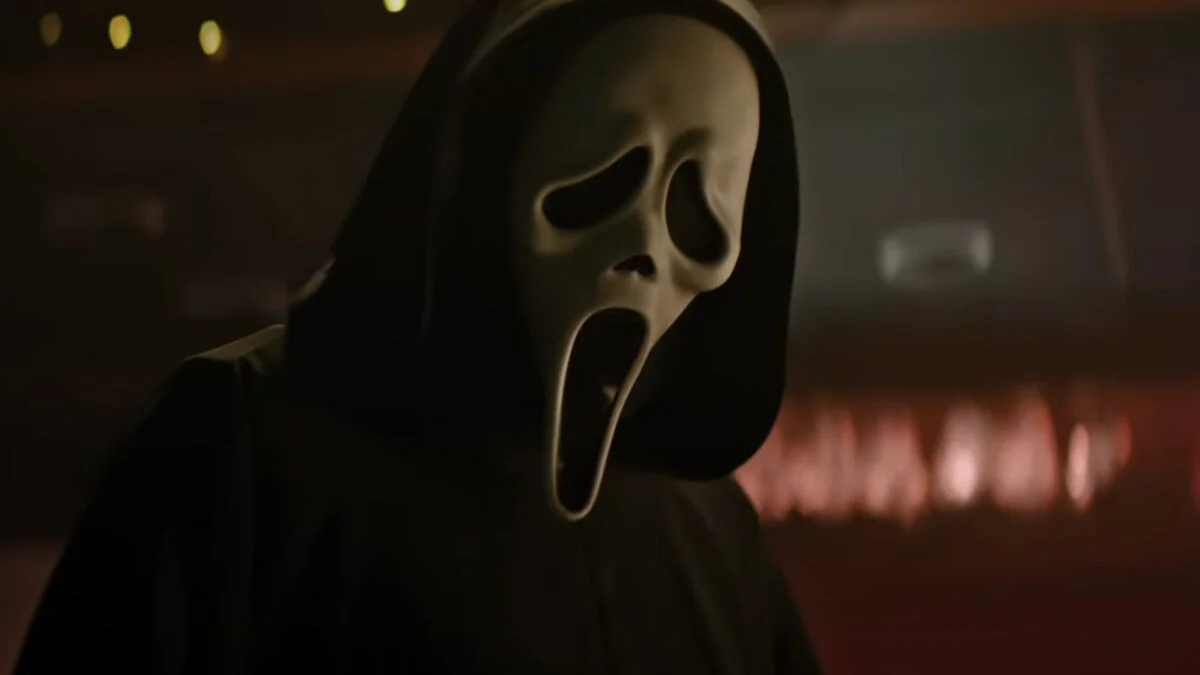
The lobby lights were still on when I walked past the line snaking around the theater — people arguing about killer masks while clutching popcorn. You could feel the weekend’s momentum like a blade in the air. I left with a ticket stub and the odd certainty that the franchise had just pulled off something the critics didn’t predict.
I’ve been tracking franchise rollouts and box-office behavior for years, and you can trust me when I say: the Scream series plays by its own rules. You’ll see the numbers and the reviews contradict each other and wonder which one matters more. Let’s walk through the why, the how, and what it might mean next.
Real-world observation: Multiplexes moved more seats than expected — the raw math
The opening weekend for Scream 7 pulled in $97 million (≈€90 million) worldwide, with over $64 million (≈€60 million) of that coming domestically, according to Deadline and Box Office Mojo. That obliterates the previous opening-weekend mark of $44 million (≈€41 million) from Scream VI and places Scream 7 on a fast track to challenge the franchise’s domestic record of $108 million (≈€100 million).
Those raw dollars do three things: they reward the studio, they buy sequels more breathing room, and they reset expectations for how audiences respond to established horror brands. For studios like Spyglass Media Group and Paramount Pictures, $97 million (≈€90 million) is a win that translates into future leverage — marketing budgets, theater playdates, and merchandising deals.
Real-world observation: Critics were loud and early — the reviews
Walking past the concession stand you could overhear spoilers and critics’ hot takes in equal measure. Rotten Tomatoes currently scores Scream 7 at 33% on the critic meter, the lowest in the franchise (Scream 3 sat at about 45%). Yet audience ratings tell a different story — around 78% on Rotten Tomatoes’ audience scale — which complicates the narrative.
I use Rotten Tomatoes, CinemaScore, and social listening tools like Google Trends and Twitter (X) to triangulate sentiment. Critics’ reviews often shape contextual expectations, but they don’t always move ticket sales on opening weekend — especially for established IPs. The critic-audience split here is wide enough to make analysts raise an eyebrow, but not wide enough to stop a big opening.
Why did Scream 7 make so much money despite bad reviews?
Brand loyalty and pre-sale momentum drove turnout. Fandango and other ticketing platforms reported early spikes that mapped to franchise fans rather than casual viewers. You and I both know people who buy tickets as a ritual, not a review-dependent decision — that ritual paid off this weekend.
Real-world observation: The second weekend will tell a different story — word of mouth vs. reviews
I stood outside a theater on Sunday and asked strangers whether they’d recommend the film; answers were split. Opening weekend is a snapshot of fandom intensity; what matters next is whether viewers bring friends back. Word of mouth usually determines the shape of the curve after week one.
If audience chatter is positive on platforms like Reddit, Meta, or TikTok, Scream 7 can sustain momentum. If it leans negative — consistent with the critic consensus — the dip could be steep. Think of opening weekend as a high-visibility prologue and the following weekends as the story’s middle act.
Is Scream 7 the highest-grossing film in the franchise now?
Not yet. The film’s launch sets it up to compete with Scream VI’s domestic total of $108 million (≈€100 million). Adjusted for inflation the original films still dominate historically, but raw, unadjusted dollars put Scream 7 on pace to challenge recent franchise highs.
Real-world observation: Controversy hung over the release — the Melissa Barrera factor
People talked in line about the Melissa Barrera firing and whether they’d boycott; those conversations didn’t stop a big opening. Public controversy often creates friction and can shrink a film’s legs — but it can also create curiosity. This release showed the latter effect in the short term.
It’s impossible to quantify precisely how much the absence of a cast member cost or saved the film, but the film still outgrossed its predecessor by roughly $20 million (≈€19 million). For executives at Spyglass and Paramount, that delta changes the calculus: bad press didn’t equal box-office collapse.
Will poor reviews kill the long-term box office for Scream 7?
Not necessarily. Bad reviews reduce the odds of a sustained run, but strong fan turnout, steady social engagement, and weekend-to-weekend retention — tracked through Box Office Mojo and exhibitors’ dashboards — will be the real test. If CinemaScore grades remain decent and TikTok reels keep new viewers curious, the film can outlast its critical reception.
Real-world observation: Studios measure more than ticket sales — the sequel calculus
Studio strategists don’t just look at opening weekends; they model lifetime revenue, streaming windows, and franchise fatigue. A powerful opening gives producers leverage to greenlight sequels, even if the film’s reviews are weak.
I’ve seen projects survive bad press because their opening weekends bought the creative team another chance. If Scream 7 keeps respectable hold percentages and performs well across premium formats like IMAX or Dolby, the studio will treat this as a green light for more Ghostface stories.
I didn’t like Scream 7 — and I’ll say that plainly — but financial performance matters in Hollywood more than my opinion. If this weekend means more attempts to refine the formula, I’m willing to watch the series course-correct. The bigger question is whether the next chapter learns from the criticism or repeats the same choices — and which will win: fan momentum or critical consensus?
Want more io9 news? Check out when to expect the latest Marvel, Star Wars, and Star Trek releases, what’s next for the DC Universe on film and TV, and everything you need to know about the future of Doctor Who.