
I froze when a Runner cut me off at the extraction point, grinning as if they owned the map. Their faction emblem flashed — the whole fight suddenly had an explanation. You learn fast in Marathon: allegiances are currency, and choices have weight.
All Marathon Factions and Contracts Explained
I once overheard two players argue over a faction’s reputation while waiting for a hot-drop, and one sentence changed their route strategy. Below I’ll walk you through what each faction does, why agents care, and how that shapes a single run.
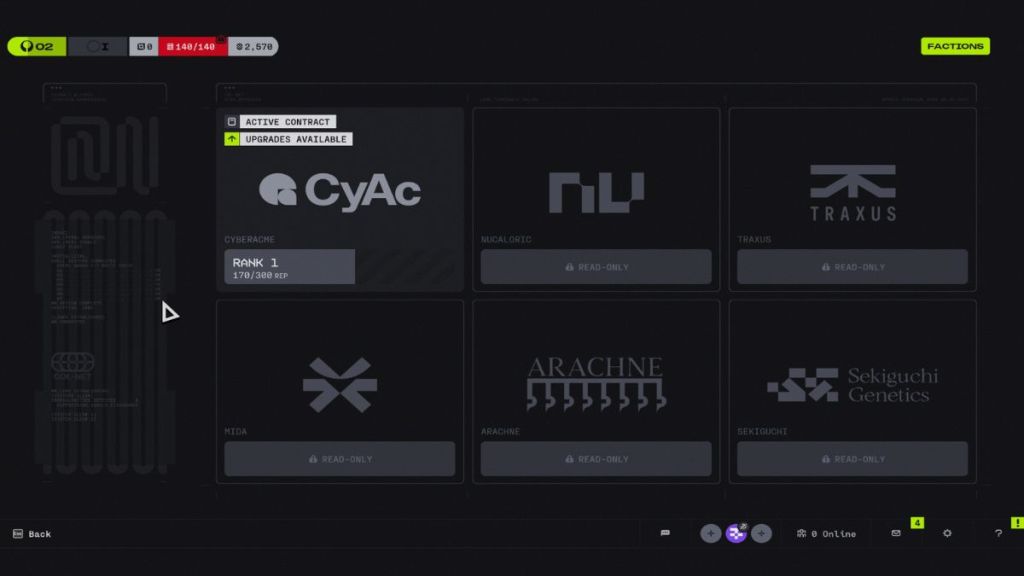
What are the factions in Marathon?
Think of the six factions as different contracts on a marketplace: each pays in gear, reputation (Rep), and narrative fragments. You can sign for all of them as a mercenary, but only one contract can be active on a run. Below I break each one down so you can pick the fit that matches your playstyle.
CyberAcme
- Faction Bonuses: Utility and Efficiency — faster ability cooldowns, more backpack space, better heat control.
CyberAcme is a surgeon’s scalpel. They build the Runner Shell ONI systems and publish the firmware that keeps you alive in Tau Ceti IV’s harsher zones. If you want mechanical advantage — smoother cooldown loops, heat mitigation, and quality-of-life upgrades — CyberAcme’s Contracts teach you how the systems tick and hand out gear that reinforces those systems.
NuCaloric
- Faction Bonuses: Agility and Discovery — extended sprint, faster climbs, reduced fall damage.
NuCaloric outfits explorers. Its leadership is… eccentric, led by a floating head named Gaius who treats maps like sacred texts. Their Contracts send you to hidden ledges and off-path caches; if you prize movement and uncoverability, these are the jobs that pad your Rep and reveal the map’s secrets.
MIDA
- Faction Bonuses: Tactical Sabotage — boosted explosives, better traps, stealthy looting perks.
MIDA reads like an insurgent playbook. Born from a collapsed political movement, it turned into a resistance that targets corporate pipelines. Their missions reward controlled chaos: demolish infrastructure, disrupt convoys, and favor players who want to shape the battlefield by breaking it.
Traxus OffWorld Industries
- Faction Bonuses: Economy and Firepower — advanced weapon mods, heavy shields, larger credit returns.
Traxus is a corporate fortress. They hunt salvage and legal tender with laser focus; their Contracts put you in extraction runs for high-value components, weapon mods, and the kind of loot that funds aggressive builds. If you’re farming credits and rares, Traxus will reward time invested in methodical looting and guarded kills.
Arachne
- Faction Bonuses: Combat Lethality — increased melee damage, faster reloads, PvP hunting tools.
Arachne is for hunters. Often labeled a death cult, they chase transcendence through combat — high-kill streaks and aggressive PvP. If your runs prioritize confrontation and you enjoy stalking other Runners, Arachne’s Contracts will keep you fed with PvP-specific rewards.
Sekiguchi Genetics
- Faction Bonuses: Survival and Recovery — quicker health regen, lower death penalties.
Sekiguchi focuses on keeping Runner Shells operating under pressure. Represented by Nona, they obsess over system resilience. Solo players who value longevity and data collection in dangerous sectors will find Sekiguchi’s Contracts tailored to long, risky runs that pay in research and survivability perks.
How Do Contracts Work in Marathon?
I once chose a contract based purely on a single line of flavor text and regretted the next ten minutes. Contracts are where the game assigns purpose to your loot runs — they give you targets, stories, and Rep that ladder into faction ranks.
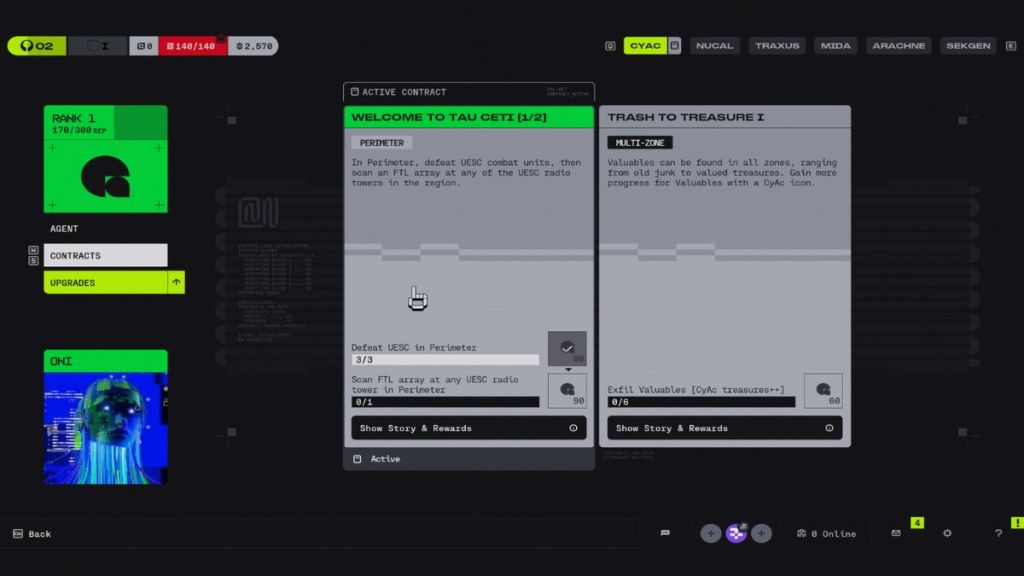
How do contracts work in Marathon?
Contracts are the spine of faction progression. You can join every faction as a mercenary, but only one contract can be active during a run. Complete contracts to earn Rep, which raises your faction rank and grants weapons, mods, and permanent stat bonuses.
- Liaison Contracts: One-off introductions. Finish one and that faction becomes permanently available between seasons.
- Standard Contracts: Repeatable tasks — steady Rep and baseline rewards, the reliable workweek of Marathon.
- Priority Contracts: Narrative-led, one-time missions. These push your rank and add Codex entries.
- Boosted Contracts: Harder versions of standard jobs with major Rep and loot multipliers.
Rank progress grants faction weapons, signature mods, and permanent stat increases — think movement, healing, or storage. If you want to accelerate Rep farming, community tools on Steam, Bungie.net, Discord guides, and YouTube creators will show efficient routes and loadouts.
Which faction should you choose?
I plotted three runs using community spreadsheets on Reddit and found my playstyle revealed itself in two matches. Choose based on what you enjoy every run: movement, chaos, economy, pure combat, survival, or technical advantage. Try a Liaison contract to test a faction’s feel without long-term commitment.
If you favor streaming or group runs, coordinate on Discord or Twitch and consider Traxus for shared loot runs. Solo grinders who want sustainable progression will like Sekiguchi or CyberAcme. For players who crave confrontation, Arachne and MIDA deliver consistent PvP opportunities and explosive objectives.
I’ll leave you with one final provocation: if factions are markets and you’re the commodity, which price are you willing to pay to win?