
I got the alert at 2 a.m.: a new Jujutsu Kaisen title had dropped and the fandom lit up. Reading that first page felt like a closed case file reopened—familiar faces and a single line that made me sit up. You could feel the question pulse under every reply: is Modulo part of the main story or a parallel what-if?
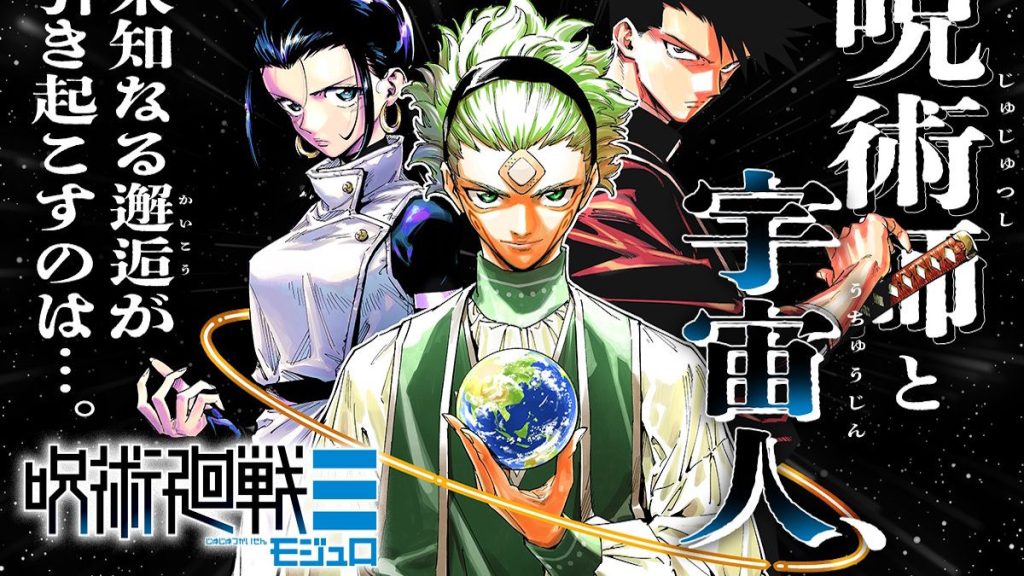
At every panel and subreddit thread the same demand resurfaces: “Is Modulo canon?”
I read the chapters as they came out, and here’s the short answer: Yes—Jujutsu Kaisen: Modulo lives in the same universe as the main JJK story. Gege Akutami labeled it a spin-off at first, but the narrative folds forward seventy years and follows Yuta and Maki’s grandchildren, Tsurugi and Maru, in a world still scarred by the final sorcerer war.
The series wrapped after a roughly six-month run, and that ending removed ambiguity. Details in Modulo reference events and consequences tied to Sukuna’s fall and the main timeline; a handful of original characters show up in ways that matter, not merely as cameos. If you wanted an epilogue that ties loose threads to what happened after the final battle, Modulo reads like one.
Is JJK Modulo official?
Yes. Modulo is an official manga credited to Gege Akutami with art by Yuji Iwasaki, published under Shueisha via the Shonen Jump channels. You’ll find announcements on Shonen Jump/X (the official Jujutsu PR account) and distribution through platforms like Manga Plus and Viz Media’s English releases.
Is Modulo a continuation of JJK?
Not a direct continuation of Yuji Itadori’s arc, but it is a sequel in terms of world-building. The timeline jumps 68 years after the main series’ climactic events, so it continues the JJK timeline by shifting focus to a new generation while leaving the past’s outcomes intact.
Is Yuji mentioned in Modulo?
Yuji is referenced early and makes an appearance later on; the story treats past heroes as history that still influences present choices. If you care about how certain characters fared, Modulo gives readable clues and confirmations rather than teasing for its own sake.
On forums and timelines you’ll see readers hunting for spoilers and fate confirmations.
I won’t spoil character endings here, but I will tell you this: Modulo is crafted less like fan service and more like a continuation that answers questions. Familiar names surface in meaningful scenes; their presence informs the new cast and the social order of the sorcerer world. That tonal choice is what pins Modulo to canon rather than making it a detached alternate story.
At 2 a.m. you can find people arguing where to read and how to support the creators.
If you want official channels, use the Shonen Jump app or Manga Plus and support translated releases from Viz Media. The Shonen Jump subscription runs around $1.99/month (€2), which is a small trade if you read weekly and want legitimate uploads and better translations. Buying collected volumes when they arrive is another direct way to support Akutami and the team.
Modulo also connects to industry platforms: Shueisha’s editorial decisions shaped its placement as a serialized spin-off, and Yuji Iwasaki’s art style keeps the visual continuity tight. Treat it as part of the franchise roadmap—one that expands rather than dilutes.
Modulo felt to me like a clock rewound: old wounds reappeared with time-stamped consequences, and the new generation had to reckon with a history they inherited. You can read it as a curiosity, or you can read it as the JJK epilogue many readers had been waiting for—where do you fall on that line?